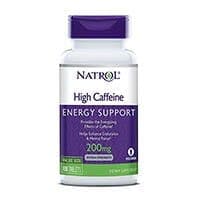
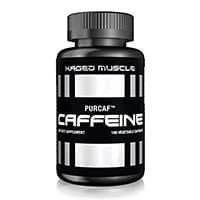
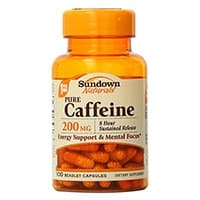
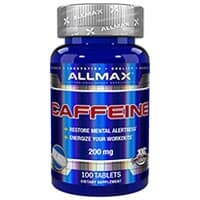
What caffeine pills are (and why “just caffeine” is still a real drug)
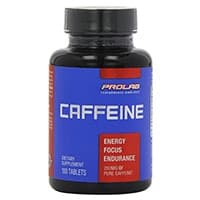
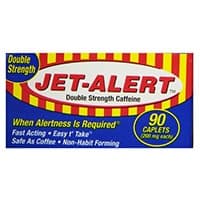
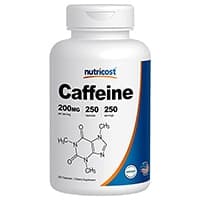
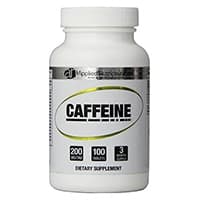
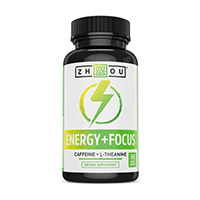
Caffeine pills usually deliver caffeine anhydrous in measured tablets or capsules—sometimes alone, sometimes paired with L-theanine, B vitamins, or other stimulant-adjacent ingredients. Compared with coffee, pills remove flavor ritual but also remove the natural braking pace of sipping; compared with pre-workout powders, pills can be more honest about milligrams—or more dangerous if you stack duplicates across products without adding totals.
Caffeine increases alertness in many contexts, but it also raises stakes for anxiety, insomnia, palpitations, blood pressure shifts, and medication interactions. This guide is educational, not medical advice. If you are pregnant or breastfeeding, have arrhythmia, uncontrolled hypertension, panic disorder, GERD, take stimulant ADHD medications, or take MAOIs or other interacting drugs, caffeine pills are pharmacist-and-clinician territory—not a convenience upgrade from espresso.
How to use this guide
The shortlist favors transparent milligrams per tablet, clear serving rules (one tablet versus “energy stack” culture), minimal mystery blends, and manufacturing quality signals that matter when you swallow concentrated stimulants daily. The sections below help you total caffeine across coffee, energy drinks, fat burners, and pre-workouts before you treat a pill like “just 200 mg.”
If you are comparing caffeine delivery inside flavored training products, pre-workout for women is a useful label category for how stimulants hide inside pump matrices—pills often look tame by comparison until you stack them. If you want caffeine bundled with catechins and liver-risk humility, green tea extract is the lane where “natural caffeine” still behaves like a concentrate—not a gentle tea bag. If you are exploring subjective smoothing of caffeine edges (individual response varies), L-theanine supplements is the common pairing category people discuss alongside stimulant timing—still not a guarantee, and still not a license to megadose.
What to look for on a caffeine pill label
Milligrams per tablet and maximum daily guidance
Serious products state caffeine clearly. If the label plays hide-and-seek behind proprietary energy blends, downgrade the brand.
Single-ingredient discipline versus stack pills
“Caffeine + synephrine + yohimbine + theacrine” is not a beginner product because the front label looks clinical.
Excipients, coatings, and splitability
Some users want half-tablets; scoring and coating matter for practical dosing.
Third-party testing if you compete
Even caffeine can be sold in sloppy manufacturing contexts; banned-substance programs matter when stakes are high.
Who caffeine pills may be appropriate for (and who should avoid them)
Often a reasonable fit when
- You want predictable milligrams without café variance.
- You tolerate caffeine, hydrate, and protect sleep windows.
- You refuse to stack duplicates across powders and pills.
Use extra caution when
- Anxiety, panic, insomnia, or bipolar mania risk—stimulants can unmask instability.
- Pregnancy—caffeine limits are real conversations, not vibe decisions.
- GERD or interstitial cystitis flares triggered by caffeine.
- Unknown palpitations—medical evaluation beats stronger tablets.
Evidence expectations: focus, endurance, and dependence
Caffeine has credible acute performance literature for many endpoints; it is not a morality tale. Dependence and withdrawal headaches are also real—tolerance rises if you chase the same subjective buzz daily. A grounded stance is: use the smallest effective dose on the fewest days needed, and treat sleep as part of performance.
Compare two caffeine products in 60 seconds
- Step 1: caffeine mg per tablet stated plainly?
- Step 2: other stimulants listed honestly?
- Step 3: serving is one tablet, not a two-step gotcha?
- Step 4: manufacturing and testing credibility?
- Step 5: your coffee + pre totals already computed?
Common mistakes that waste money (or spike risk)
- Treating pills as “not coffee” while drinking coffee.
- Stacking caffeine pills with fat burners and calling it focus.
- Dosing late and blaming melatonin for failing later.
- Escalating dose to chase the first-week buzz.
- Ignoring chest pressure as “just anxiety.”
What to monitor in the first 1–2 weeks
Track sleep latency, resting heart rate if you measure it, tremor, nausea, reflux, and anxiety edge. Stop and seek care for chest pain, fainting, sustained palpitations, or neurologic symptoms—not forum optimization.
FAQs
How much caffeine is too much?
Individual tolerance varies; totals across all sources matter more than any single pill.
Caffeine pills versus coffee?
Pills are faster and more precise; coffee includes slower sipping and other compounds—choose based on tolerance and ritual needs.
Can caffeine pills help headaches?
Caffeine appears in some OTC migraine products as an adjunct—migraine care still belongs to clinicians for recurrent headaches.
Will L-theanine always remove jitters?
Sometimes subjectively; not reliably—do not use it as a license for unsafe totals.
How long should I trial one product?
A few disciplined days with strict sleep cutoffs beat months of escalating stimulant dependence.
How we shortlist products on this page
We prioritize milligram transparency, conservative stacking guidance, manufacturing credibility, and brands that do not sell caffeine as wellness while hiding stimulant culture. For how we evaluate products across the site, read our methodology.
Bottom line
Caffeine pills are useful when you want honest milligrams and predictable timing—and dangerous when they become the invisible layer on top of coffee, pre-workout, and fat burners. The best purchase is boringly labeled, minimally stacked, and paired with sleep protection you actually follow.
If energy is chronically absent despite adequate sleep and nutrition, medical evaluation beats stronger tablets.