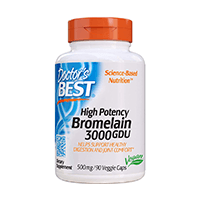
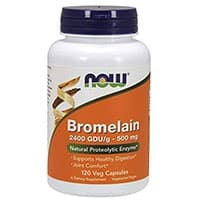
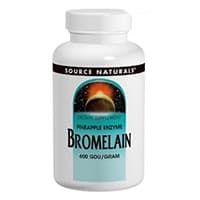
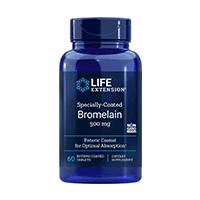
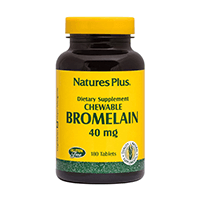
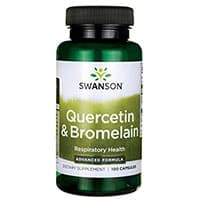
Why people shop bromelain supplements
Bromelain is a proteolytic enzyme complex derived from pineapple (typically stem-based extracts in supplements), and it is usually marketed for inflammation-adjacent support, post-exercise recovery, sinus comfort, and digestion. It is one of those categories that appears in many different aisles — joint support, sports recovery, sinus blends, and digestive formulas — which makes buying decisions confusing. Same ingredient name, very different user intent.
In practical terms, bromelain works best when you define your goal first: meal-related digestive support vs between-meal systemic support routines. Product labels often fail to explain this clearly, and that is where buyers lose confidence. If you choose the wrong format/timing for your target, a decent product can look ineffective.
This guide is educational and not medical advice. If you have pineapple allergy, bleeding disorders, upcoming surgery, or use anticoagulants/antiplatelet medications, discuss bromelain with a qualified clinician before use. Persistent severe swelling, high fever, breathing issues, or severe pain should be medically evaluated rather than self-managed with enzymes.
How to use this guide
Use the ranked list as a quality-and-fit filter, not as a treatment protocol. Start with one clear objective:
- Digestive support with meal-adjacent enzyme use
- Recovery/inflammation-support adjunct in training routines
- Sinus-comfort support in short targeted use windows
Then choose a product and timing strategy that matches that objective. This matters because “take with meals” and “take away from meals” can imply very different intended use in this category.
If you are comparing adjacent categories often stacked with bromelain, see our turmeric supplements guide for anti-inflammatory-adjacent botanical support, our quercetin supplements guide for flavonoid routines commonly paired in sinus support stacks, and our serrapeptase supplements guide for another enzyme category often compared by users seeking systemic-support approaches.
For full product-ranking criteria and quality standards across the site, see our methodology.
Who this category is for (and who should avoid DIY use)
Usually a better fit for
- Users with clear goals who can match timing protocol to intended use.
- People who want a non-stimulant adjunct in recovery or digestive routines.
- Shoppers who prioritize enzyme-activity transparency and simple formulas.
Usually a poor fit for unsupervised use
- Anyone with pineapple allergy or known sensitivity to proteolytic enzymes.
- Users on blood-thinning regimens without clinician review.
- People expecting enzyme supplements to replace diagnosis of serious inflammatory or sinus conditions.
How to compare two bromelain labels in 60 seconds
- Step 1: Confirm bromelain amount and enzyme activity units (not just mg).
- Step 2: Confirm intended timing guidance (with meals vs between meals).
- Step 3: Check if product is standalone or buried in multi-ingredient blends.
- Step 4: Check allergen and bleeding-risk cautions clearly.
- Step 5: Check quality/manufacturing transparency and practical monthly cost.
If activity units are missing and label context is vague, skip it.
What to look for in a bromelain supplement
Activity-unit transparency
For enzymes, activity often matters as much as raw milligram count. Products that disclose meaningful activity metrics are easier to compare than those using mg-only marketing.
Goal-matched timing instructions
Digestive use often aligns with meals; some systemic routines are often positioned differently. Pick products whose instructions are coherent for your goal and sustainable in your routine.
Standalone enzyme vs combo formulas
Bromelain is often combined with papain, turmeric, quercetin, or sinus herbs. Blends can be convenient, but first-time users usually get cleaner feedback from simpler formulas.
Tolerance and GI profile
Proteolytic enzymes can cause GI discomfort in some users. Start conservatively and track response rather than escalating quickly.
Medication and procedure context
Given potential bleeding-related context, surgery planning and anticoagulant use require extra caution and clinician alignment.
Common mistakes that waste money (or increase risk)
- Buying by mg only and ignoring enzyme activity units.
- Using meal timing opposite to your intended use case.
- Stacking multiple anti-inflammatory supplements immediately.
- Ignoring allergy context (especially pineapple sensitivity).
- Using supplements to delay diagnosis of severe pain or infection signs.
What to monitor in your first 2-4 weeks
If your clinician supports a trial, track:
- Primary target metric: digestion comfort, post-training recovery feel, or sinus-comfort trend.
- Tolerance: GI symptoms, skin reactions, unusual bruising or bleeding concerns.
- Timing adherence: consistency with intended use pattern.
- Stack overlap: avoid adding new enzyme/anti-inflammatory products mid-trial.
- Outcome quality: practical function changes rather than day-to-day subjective noise.
Stop and seek medical guidance for concerning side effects, allergic reactions, or persistent worsening symptoms.
FAQs
What is bromelain used for in supplements?
Common uses include digestive support, recovery/inflammation-adjacent routines, and sinus comfort support depending on product type and timing.
Is bromelain just a digestive enzyme?
It is often used that way, but many products position it for broader support when timed differently. Label context matters.
Can I take bromelain every day?
Some users do, but daily use should be matched to your goal, medication context, and tolerance.
What side effects are commonly discussed?
Potential issues include GI discomfort, allergy-like reactions, and bruising/bleeding concerns in sensitive contexts.
Can bromelain be combined with turmeric or quercetin?
Possible, but introduce one major variable at a time to preserve interpretability and safety.
How long should I trial one product?
If medically appropriate, run one transparent product for 2-4 weeks with stable habits before deciding.
Can bromelain replace medical treatment for sinus infection or severe pain?
No. It may be an adjunct for some users, but red-flag symptoms require clinical care.
Bottom line
Bromelain supplements can be useful when product transparency and timing match your actual goal. The best product is usually one with clear activity-unit labeling, practical dosing, and clean formula design.
Keep your trial simple, track one main target, and treat allergy/bleeding cautions seriously. In this category, precision and context matter more than broad “enzyme support” marketing.