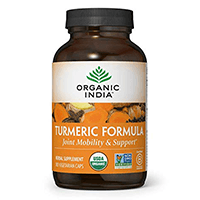
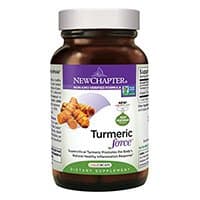
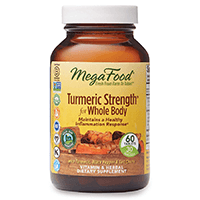
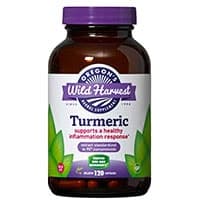
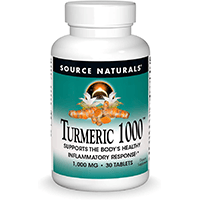
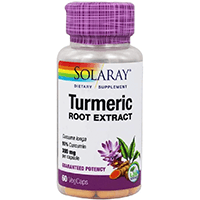
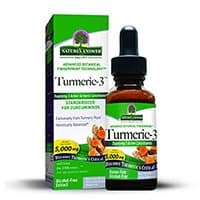
What turmeric supplements are (curcuminoids vs “whole root” powder)
Turmeric is a rhizome spice; in supplements it usually shows up as dried curcuma longa powder, a concentrated curcuminoid extract, or extract paired with absorption helpers like piperine (black pepper extract) or lipid-based delivery systems. The marketing noise is extreme because curcumin became a shorthand for “inflammation support,” but the biology is messier: curcumin is poorly absorbed from many basic formulations, GI tolerance varies, and drug interactions are not theoretical trivia.
This guide is educational, not medical advice. If you take anticoagulants or antiplatelet drugs, have gallstones or biliary obstruction, are scheduled for surgery, or have liver disease, discuss turmeric with a clinician before treating it like a benign kitchen spice in a capsule.
How to use this guide
The shortlist rewards honest curcuminoid disclosure (often as a percentage of curcuminoids on an extract), conservative excipient lists, credible manufacturing and testing language, and brands that do not promise disease cures in fine print while implying them in headlines. The sections below help you choose between whole-root products and extract-forward formulas, interpret “enhanced bioavailability” claims without magical thinking, and stack turmeric responsibly alongside other joint and digestion purchases.
If you are comparing other rhizome-based supplements with overlapping digestion narratives, ginger supplements are the closest shelf neighbor for tolerance and pregnancy conversations—different actives, similar “calm the gut” shopper expectations. If your cart is more joint-focused than spice-focused, boswellia is a frequent co-consideration where evidence and dosing language deserve the same skepticism you apply to turmeric labels. If you are building a broader cardiometabolic stack, fish oil is a different evidence lane with different bleeding-risk conversations—worth reading before you unconsciously stack multiple mild platelet influencers.
What to look for on a turmeric label
Curcuminoids per serving, not fairy dust
Look for total curcuminoids per serving when the product is extract-based. “Organic turmeric powder” at 500 mg per capsule can be legitimate as food-culture supplementation, but it is not interchangeable with a 95% curcuminoid extract—compare categories honestly.
Bioavailability language that actually maps to a mechanism
Piperine-style approaches, phospholipid complexes, and lipid-based carriers each attempt to address absorption limits. You do not need to pick a winner in abstract chemistry—you need a label that states what is in the bottle and a brand that does not hide the extract identity behind a proprietary curtain.
Piperine and medication timing
Black pepper extract can matter for drug metabolism in sensitive regimens. If you take narrow-therapeutic-index medicines, pharmacist review is not optional internet trivia.
GI tolerance and reflux
Turmeric can soothe some stomachs and irritate others, especially at higher extract doses or when taken empty. A supplement that makes your esophagus feel like a spice bazaar is not “detox.”
Heavy metals and spice-category contamination risk
Turmeric and other botanical powders have had real-world contamination concerns in global supply chains. Third-party testing language matters more here than in many categories.
Who turmeric may be appropriate for (and who should be careful)
Often a reasonable fit when
- You want a trial for exercise-related soreness or everyday stiffness and you can tolerate the dose.
- You prefer extract-forward formulas with transparent curcuminoid amounts.
- You are not stacking multiple hidden turmeric blends across greens powders and joint complexes.
Use extra caution when
- You take warfarin, DOACs, dual antiplatelet therapy, or high-dose NSAIDs—bleeding risk conversations belong to your clinician.
- You have gallbladder disease or bile duct obstruction.
- You have iron deficiency where high-dose polyphenol stacks are part of a medical puzzle—ask rather than guess.
- You have active liver disease or take hepatotoxic drugs where new botanicals add uncertainty.
Evidence expectations: what turmeric can and cannot “prove” in a bottle
Human trials exist across pain, osteoarthritis-like symptoms, metabolic markers, and other endpoints, but effect sizes and study quality vary. Retail turmeric often sells certainty that academia does not grant. A sane buyer expectation is individual symptom trial with a defined dose, a defined duration, and a plan to stop if reflux, bruising, or unusual fatigue appears—not a guaranteed inflammation rewrite.
Compare two turmeric labels in 60 seconds
- Step 1: curcuminoids per serving stated (extract products)?
- Step 2: if “whole root,” is that what you intended to buy?
- Step 3: piperine or lipid delivery named with amounts?
- Step 4: proprietary blend penalty—avoid mystery ratios.
- Step 5: allergen statements and excipients you recognize?
Common mistakes that waste money
- Buying powder doses that math into dust-level curcuminoids while expecting extract-level outcomes.
- Stacking three turmeric sources across joint, liver, and greens categories.
- Ignoring reflux because “anti-inflammatory” sounds gentle.
- Treating piperine as flavoring when polypharmacy is real.
- Replacing prescribed therapies with spice capsules because marketing uses science words.
What to monitor in the first 4–8 weeks
Track joint comfort, exercise recovery, or whatever symptom you are trialing—honestly, on paper. Watch for new bruising, nosebleeds, black stools, worsening heartburn, right upper quadrant pain, or unexplained fatigue or itching that could signal liver signal noise. If surgery is planned, follow your surgical team’s supplement hold rules; do not improvise.
FAQs
Is curcumin the same as turmeric?
Turmeric is the plant material; curcuminoids are a family of actives within it, with curcumin as the most famous member. Labels should say which you are buying.
Should turmeric include black pepper?
Some formulas include piperine to influence absorption kinetics; others use different delivery strategies. The right answer is individualized tolerance and medication review.
When should I take turmeric?
Many people take it with food to reduce GI upset; consistency matters more than mystical timing.
Can turmeric cause liver injury?
Rare hepatotoxicity reports exist in the medical literature for curcumin-containing products; treat new symptoms after starting any supplement as a reason to stop and seek evaluation.
How long should I trial one product?
A disciplined 4–8 weeks at the labeled dose is a common personal experiment window—long enough to notice tolerance patterns, not so long you confuse placebo seasonality with proof.
How we shortlist products on this page
We prioritize curcuminoid transparency, credible testing, conservative interaction framing, and brands that do not smuggle disease claims through influencer testimonials. For how we evaluate products across the site, read our methodology.
Bottom line
Turmeric is a legitimate category with real formulation differences: whole-root culture versus extract-forward chemistry, absorption helpers versus simple powders, and contamination risk that rewards picky sourcing. The best purchase is the one you can tolerate, afford consistently, and understand well enough to stop if your body votes no.
If your symptom pattern is progressive, asymmetric joint swelling, fevers, or unexplained weight loss, supplements are the wrong first move—medical evaluation is the correct escalation.