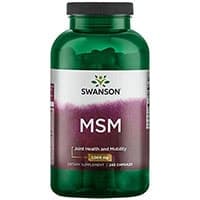
Why people shop MSM supplements
MSM (methylsulfonylmethane) is an organic sulfur–containing compound found in small amounts in some foods and widely sold as a capsule or powder. In supplement form, it shows up in two big buckets: joint comfort and active-lifestyle support (often alongside glucosamine or chondroitin) and “beauty from within” routines focused on skin, hair, and nails. Neither story is magic—responses vary, timelines are measured in weeks, and labels matter more than packaging adjectives.
This guide is educational, not medical advice. If you have inflammatory arthritis, a recent injury, surgery plans, or take anticoagulants or other long-term medications, talk with a clinician before adding new supplements—especially combination formulas that sneak in extra ingredients you did not intend to take.
Below the shortlist, we cover purity cues, dosing realism, combo-product pitfalls, and FAQs. For how we evaluate products and what our rankings do (and do not) claim, see our methodology.
How to use this guide
Use the ranked list as a starting point for brands that present transparent specs—not as a guarantee of outcomes. MSM products range from straightforward single-ingredient powders to elaborate joint stacks. Decide upfront whether you want MSM alone (easier troubleshooting) or a combination formula (fewer capsules, but murkier cause-and-effect if something disagrees with you).
If you are cross-shopping the joint aisle, it helps to understand adjacent categories. Many readers compare MSM with glucosamine supplements and chondroitin supplements—classic pairings in cartilage-support formulas with different sourcing and allergen considerations. Others overlap MSM with connective-tissue proteins; see our collagen supplements guide for a different ingredient class with its own labeling norms.
What to look for
Distilled vs. generic “MSM” claims
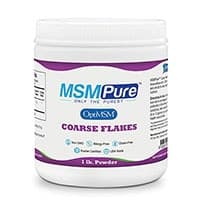
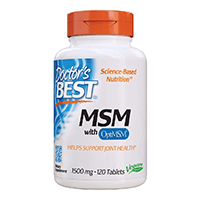
MSM is commodity chemistry, but not every bottle is equally forthcoming. Some brands use branded or distilled MSM marketed for consistency and lower impurity risk; others simply list “MSM” on the supplement facts. You do not need a favorite trademark to shop well—look for clear milligrams per serving, batch testing language where available, and a manufacturer identity you can verify.
Powder vs. capsules (and the taste issue)
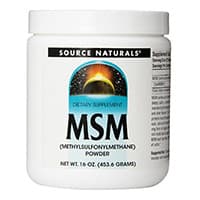
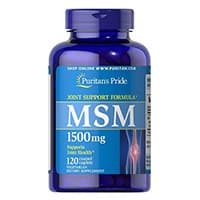
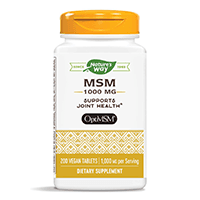
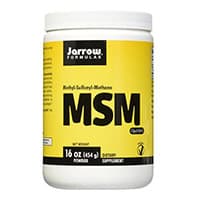
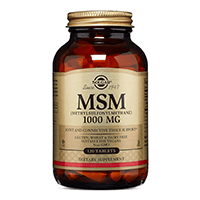
MSM powders can be economical and flexible, but they can taste bitter or sulfur-forward to sensitive palates. Capsules trade cost for convenience and mask flavor. If you choose powder, confirm whether the label expects one or multiple daily servings and whether a scoop is included—serving-size drift is a common reason people accidentally under- or overdose relative to their plan.
Combo products: know what you are actually buying
Joint complexes may bundle MSM with glucosamine, chondroitin, herbs, and minerals. That can be useful—or noisy. Read the full supplement facts panel for allergens (some glucosamine comes from shellfish sources unless labeled otherwise) and for stimulants or extras you did not want. If your goal is to isolate MSM’s effect, a single-ingredient product is usually easier to interpret.
Timing, consistency, and expectations
Supplements like MSM are not typically “acute rescue” tools for sharp pain; people who feel a benefit often describe gradual change alongside sleep, training load, and nutrition adjustments. Keep servings steady for a sensible evaluation window, then reassess honestly.
Who should pause or get professional input first
- Pregnancy and breastfeeding: do not assume safety by default—ask a qualified clinician.
- Scheduled surgery: many teams want a consistent herb/supplement review beforehand—follow your pre-op instructions.
- Anticoagulants or complex medication lists: pharmacist review beats guesswork when stacking products.
- Sulfa drug allergy confusion: “sulfur” in MSM is not the same topic as sulfa antibiotics, but if you are anxious about sensitivities, ask a clinician rather than trusting forum posts.
Mistakes to avoid
- Buying the biggest tub without doing the math. Cheap per gram is not cheap if you quit because the taste or GI upset makes it unsustainable.
- Stacking three joint products with overlapping ingredients. You can unintentionally double up on the same compounds while thinking you “added MSM.”
- Confusing marketing photos with mechanistic proof. Joint comfort is multifactorial; keep claims modest and personal.
- Ignoring hydration and training basics. Supplements rarely outrun recovery fundamentals.
FAQs
What does MSM stand for, in plain English?
MSM is methylsulfonylmethane—a small molecule that contains sulfur and is used in dietary supplements for convenience dosing. It is distinct from inorganic sulfur salts and from dietary protein sources of sulfur amino acids, though those bigger-picture nutrition topics still matter for overall health.
Is MSM the same thing as glucosamine or chondroitin?
No. They are different ingredients with different supply chains and label considerations. They are frequently sold together because shoppers often want a multi-ingredient joint formula, but you should choose based on tolerance, allergens, and whether you want a clean single-ingredient trial.
How much should I take?
Follow the product label unless your clinician advises otherwise. Brands vary in suggested ranges; splitting servings can help GI tolerance for some people. More is not automatically better—consistency beats heroic one-off doses.
What side effects are commonly reported?
Mild digestive upset, bloating, or loose stools appear in anecdotal reports for some users—responses vary widely. If symptoms persist or worsen, stop and seek medical advice, especially if you have underlying GI conditions.
Can athletes use MSM?
Many active people try MSM as part of a broader recovery stack. If you compete under anti-doping rules, use only products from sources you trust and keep batch records if your governing body expects documentation—this guide cannot certify eligibility for your specific sport.
Does MSM help skin, hair, or nails?
Some marketing leans beauty-forward, but individual results vary and evidence snapshots differ by outcome and population. If that is your primary goal, track photos and routine variables on a realistic timeline and keep expectations grounded.
How we shortlist products
Our rankings emphasize label clarity, manufacturing transparency, sensible serving design, and how well a product fits typical buyer needs in the MSM category—whether you want a minimalist powder or a thoughtfully built joint complex. Rankings are editorial guidance, not a substitute for medical care. For the full framework, read the methodology page.
Bottom line
MSM is a straightforward ingredient on paper that becomes complicated in the real world because of powders, flavors, stacks, and personal tolerance. Pick a product with honest milligrams per serving, decide whether you want MSM solo or in a combo, and give your body time to respond while you keep training, sleep, and nutrition from becoming the hidden variable.
Use the shortlist to identify transparent options first—then optimize for daily convenience, because the best supplement is the one you can take consistently without regret.