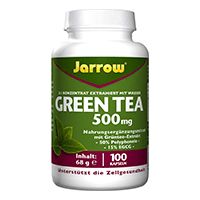
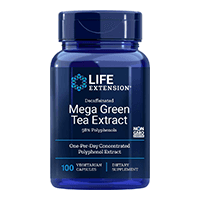
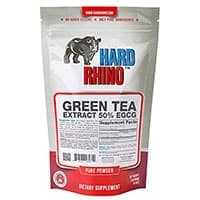
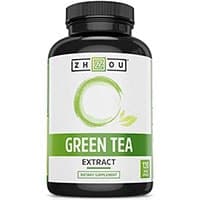
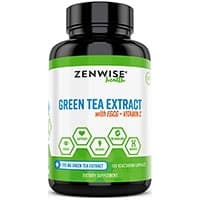
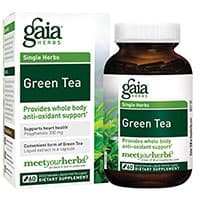
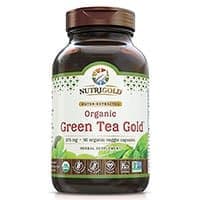
What green tea extract supplements are (EGCG, caffeine, and concentrated catechins)
Green tea extract (GTE) is a concentrated source of catechins, especially epigallocatechin gallate (EGCG), often sold for metabolic support, antioxidant marketing, and focus/fatigue stacks. Unlike brewed tea—where water volume and sipping pace naturally throttle intake—capsules can deliver large bolus doses of catechins plus variable caffeine in a swallow, which changes both benefit odds and risk edges.
The safety conversation is real: medical case reports and regulatory warnings have discussed liver injury associated with high-dose EGCG supplements, particularly on empty stomachs, in fasted contexts, or when combined with other hepatotoxic habits and drugs. This guide is educational, not medical advice. If you have liver disease, take multiple medications, are pregnant, or stack several “lean” products, treat GTE like a serious botanical concentrate—not a wellness sprinkle.
How to use this guide
The shortlist favors transparent EGCG milligrams per serving, explicit caffeine disclosure (including decaffeinated claims that still contain residual caffeine), credible contaminant testing, and brands that do not hide stimulants inside proprietary fat-loss blends. The sections below help you compare GTE to brewed tea honestly, time doses away from risky fasting patterns if you use extracts, and avoid stacking duplicate stimulant pathways.
If you like the “calm focus” story often sold beside tea culture, L-theanine supplements is the amino acid lane people sometimes pair with caffeine for subjective smoothness—still individual, but useful context for how stacks get built. If you are really chasing alertness and want transparent stimulant math, caffeine pills is the blunt-instrument comparator: fewer polyphenols, more honest dose labeling culture—read it before you accidentally double-dip caffeine across GTE, pre-workout, and coffee. If marketing routes you toward liver iconography after reading hepatotoxicity concerns, milk thistle supplements is a parallel botanical category where quality testing and medical context matter—do not treat it as permission to megadose GTE.
What to look for on a green tea extract label
EGCG per serving, not “green tea 500 mg” fairy dust
Raw milligrams of “green tea extract” are meaningless without catechin/EGCG specification. Demand clarity or downgrade the brand.
Caffeine: declared, residual, and stack math
Decaf is not always zero caffeine. Add coffee, energy drinks, and fat burners before you call the dose “fine.”
Fasting labels versus real stomach behavior
Case literature often involves concentrated extracts taken without food. If your lifestyle is intermittent fasting plus stimulant stacks, pharmacist input is not optional internet flavor.
Polyphenol–drug absorption interactions
Tea polyphenols can interfere with absorption of some drugs and nutrients (iron is a classic teaching example). Separation timing and professional guidance beat vibes.
Who green tea extract may be appropriate for (and who should avoid it)
Often a reasonable fit when
- You want a defined EGCG dose under medical guidance for a specific goal.
- You tolerate caffeine and can take extracts with food if that reduces GI upset.
- You refuse to stack multiple catechin sources across products.
Use extra caution when
- Liver enzyme abnormalities, hepatitis history, or heavy alcohol use.
- Polypharmacy where liver metabolism and absorption matter.
- Pregnancy—concentrated extracts are not brewed-cup equivalents.
- Iron deficiency where tea timing around meals and iron supplements is clinically relevant.
Evidence expectations: fat loss, metabolism, and “antioxidant” claims
Human trials on body composition endpoints are mixed and often small; marketing frequently outruns effect sizes. A grounded buyer stance is: if you would not buy it without fat-loss promises, you are buying narrative—make sure the narrative includes liver humility and caffeine honesty.
Compare two green tea extract labels in 60 seconds
- Step 1: EGCG mg per serving stated?
- Step 2: caffeine mg stated (or credible decaf testing claim)?
- Step 3: servings/day matches your stack tolerance?
- Step 4: proprietary blend penalty—avoid mystery stacks.
- Step 5: third-party contaminant testing language?
Common mistakes that waste money (or stress the liver)
- Megadosing EGCG because “more antioxidants” sounds virtuous.
- Taking concentrated extract fasted because a diet guru said so.
- Stacking GTE with fat burners and wondering why nausea arrives.
- Confusing tea bags with extract capsules for safety equivalence.
- Ignoring dark urine, itching, or right upper quadrant pain as “cleanse.”
What to monitor in the first 2–4 weeks
Track heart rate, anxiety, sleep latency, nausea, and any new fatigue that feels like illness rather than caffeine withdrawal. If you notice jaundice, severe abdominal pain, or confusion, seek urgent medical care—stop all suspect supplements and bring bottles to the visit.
FAQs
Is green tea extract the same as drinking green tea?
No—concentration and bolus kinetics differ; risk profiles are not identical cup-for-capsule.
Does green tea extract burn fat?
Do not bank on large reliable effects; habits still dominate body composition.
Should I take green tea extract with food?
Many people tolerate food pairing better; individualized clinician advice beats fasting influencer rules when risk factors exist.
Can green tea extract affect iron?
Polyphenols can reduce non-heme iron absorption—timing matters for deficiency treatment plans.
How long should I trial one product?
If dosing is conservative and liver risk factors are absent, short disciplined trials beat endless stack changes—if nothing measurable moves, the bottleneck probably was not catechins.
How we shortlist products on this page
We prioritize EGCG and caffeine transparency, conservative liver-risk framing, manufacturing credibility, and brands that do not sell guaranteed leanness from polyphenols. For how we evaluate products across the site, read our methodology.
Bottom line
Green tea extract can be a legitimate concentrated botanical when labeled honestly and used with respect for caffeine stacking and liver biology. The worst purchases are mystery blends, fasting megadoses, and influencer stacks that treat hepatotoxicity warnings like someone else’s problem.
If your goal is simply enjoying tea, brewing it remains the lowest-concentration default. If your goal is pharmacologic intensity, treat the capsule like pharmacology—medical context included.