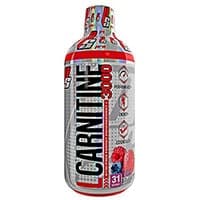
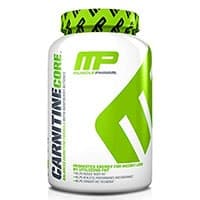
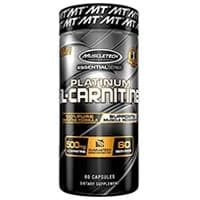
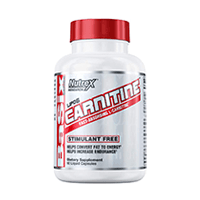
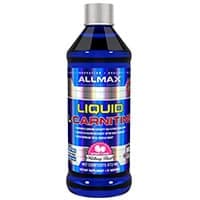
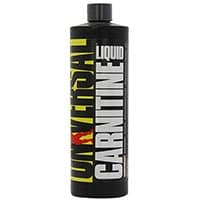
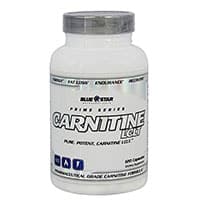
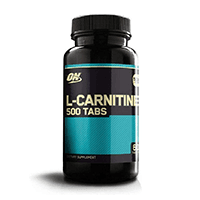
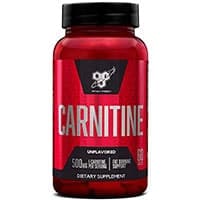
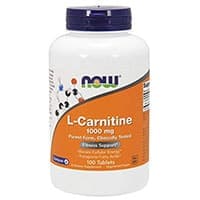
What L-carnitine supplements are (L-tartrate for training culture versus plain L-carnitine—and how it differs from ALCAR)
L-carnitine is a compound involved in transporting long-chain fatty acids into mitochondria for beta-oxidation—biochemistry that gets translated into sports marketing as “fat burning” and “endurance support,” often as L-carnitine L-tartrate in exercise products or as simple L-carnitine capsules and liquids. A different molecule, acetyl-L-carnitine (ALCAR), is marketed more toward cognitive and nerve-adjacent narratives; it is not interchangeable gram-for-gram with every L-carnitine goal, even when the same word “carnitine” appears on both bottles.
This guide is educational, not medical advice. If you take valproate or other medications associated with carnitine depletion, have thyroid disease where supplement stacks matter, have seizure disorders, or you are trying to self-treat chest pain, unexplained weakness, or cardiomyopathy symptoms, carnitine is clinician territory—not a shopping shortcut around cardiology.
How to use this guide
The shortlist favors transparent milligrams per serving, clear identity (L-carnitine versus tartrate salt versus propionyl forms when present), credible manufacturing and contaminant testing language, and brands that do not sell mitochondrial poetry as guaranteed fat loss. The body below helps you match form to intent, avoid duplicating carnitine across pre-workouts and “fat burners,” and place carnitine next to higher-evidence training staples.
If you are specifically drawn to the acetylated form for cognitive marketing angles, read our separate guide to acetyl L-carnitine supplements so you do not accidentally buy the wrong molecule for your stated goal. If you want the most supported ergogenic for most lifters, keep creatine supplements in the correct priority lane—carnitine is optional for many people, not a replacement for basics. If your “energy system” shopping cart is getting metaphysical, CoQ10 supplements is a different mitochondrial-adjacent category with its own drug-interaction and dosing culture—useful contrast so you do not stack three “mitochondria” bottles without reading each panel.
What to look for on a carnitine label
L-carnitine versus L-carnitine L-tartrate: salt weight versus carnitine contribution
Tartrate forms include a counter-ion by weight; serious labels help you understand how much L-carnitine you actually get per serving, not only total salt milligrams.
Liquids, capsules, and the “fishy” odor reality
Carnitine products can smell unpleasant when impure or aged; storage and brand quality matter for compliance—if you hate the bottle, you will not finish it.
GI tolerance and high doses
Diarrhea and nausea are common dose-limiting issues; splitting doses or lowering total grams often beats heroic megadosing.
Hidden duplication across stacks
Pre-workouts, “fat loss” matrices, and athlete bundles can all contain carnitine. Total grams across products still matter.
Vegan diets and documented deficiency states
Dietary carnitine is lower in strict vegan patterns; that fact is not the same as proof that every vegan needs grams of supplementation—still an individualized nutrition and medical question.
Who carnitine may be appropriate for (and who should skip guessing)
Some athletes experiment with L-tartrate around training blocks; some clinicians address carnitine considerations in specific medication contexts. Carnitine is not a universal “metabolism switch” for replete people eating adequate protein and calories.
Evidence expectations: fat loss, endurance, and cognitive spillover marketing
Human trial results vary by population, dose, duration, and endpoint; fat-loss marketing often outruns effect sizes. A grounded stance is: trial with a defined outcome measure (training logs, subjective recovery, clinician-directed labs when relevant), not indefinite hope dosing.
Mistakes people make with carnitine
- Buying ALCAR for gym goals or plain L-carnitine for “focus” goals without matching molecule to intent.
- Stacking carnitine across three products and guessing tolerance.
- Expecting visible fat loss while ignoring calories and steps.
- Ignoring diarrhea as “detox.”
- Replacing medical evaluation for fatigue with tubs.
Compare two carnitine products in 60 seconds
- Step 1: molecule identity clear (L-carnitine vs ALCAR vs tartrate salt)?
- Step 2: effective L-carnitine grams/day computable?
- Step 3: proprietary blend penalty?
- Step 4: credible testing/manufacturing language?
- Step 5: format you will actually take consistently?
What to monitor in the first 2–3 weeks
Track GI symptoms, sleep changes (some people notice subjective stimulation or sleep disruption depending on timing and stacks), and training repeatability if that is your goal. Stop and seek care for chest pain, fainting, or new severe palpitations—do not treat those as supplement tuning problems.
FAQs
What is the best form of carnitine?
It depends on goal and tolerance: L-tartrate is common in sports products; ALCAR is a different marketing lane; propionyl-L-carnitine appears in some cardiovascular-adjacent discussions in medical literature contexts. Match the form to your intent and clinician input when applicable.
Does L-carnitine burn fat?
Do not bank on large reliable fat loss; some trials suggest small effects in selected populations, but individual results vary and compliance with diet still dominates.
Can I take carnitine with creatine?
Commonly stacked; they are different mechanisms. Still track total powders and stimulants from surrounding products so you optimize the right bottleneck.
Does carnitine cause fishy body odor?
Some users report TMAO-related odor concerns discussed in nutrition communities; quality, dose, and individual metabolism vary—if social odor is a problem, lower dose or change product before you declare the category fake.
Is carnitine safe for the heart?
Mechanistic debates exist in literature and popular discourse; self-treating cardiac symptoms with supplements is unsafe. Cardiology evaluation wins over stronger capsules.
How long should I trial one product?
If tolerance is acceptable, several weeks of honest training logs beats one hero session—change one variable at a time.
How we shortlist products on this page
We prioritize molecule clarity, dose transparency, manufacturing credibility, and brands that do not sell mitochondrial mythology as guaranteed leanness. For how we evaluate products across the site, read our methodology.
Bottom line
L-carnitine can be a reasonable experiment for some athletes and a medically relevant topic in specific contexts, but it is not a universal fat-loss key. The best purchase matches the correct molecule to your goal, survives your stomach, and does not duplicate silently across every flavored powder you own.
If fatigue is new, severe, or paired with cardiac symptoms, medical evaluation beats another carnitine salt rotation.