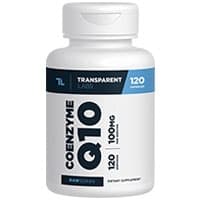
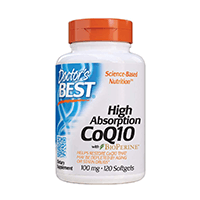
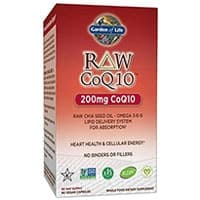
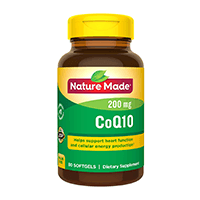
What CoQ10 supplements are (and why “ubiquinol vs ubiquinone” is mostly a shopping decision)
Coenzyme Q10 (CoQ10) exists in the body as ubiquinone (the oxidized form) and ubiquinol (the reduced form), and supplement shelves sell both, often with marketing that implies one is universally superior. In practice, many people convert between forms, and product quality usually matters more than winning a naming war—especially when the real questions are milligrams per day, softgel quality, oxidation risk, and whether your clinician wants you on CoQ10 for a specific reason (commonly discussed alongside statin therapy conversations).
CoQ10 is fat-soluble, which means absorption is often better with meals that contain fat and with formulations that handle lipids sensibly. That does not mean you need exotic “nano” stories to get value—it means you should be skeptical of tiny doses hidden in candy gummies unless your goal is literally “a little.”
This guide is educational, not medical advice. If you take warfarin, have heart failure under cardiology care, take multiple cardiac medications, or are pregnant, discuss CoQ10 with a clinician before adding or changing doses—supplements can be real variables in medically managed conditions.
How to use this guide
The shortlist helps you filter for honest milligram dosing, credible manufacturing, sensible lipid-based formulations, and brands that do not bury CoQ10 inside proprietary “heart stacks” without totals. The body below helps you compare ubiquinol and ubiquinone without mysticism, avoid double-buying redundant lipid antioxidants, and run a trial long enough to matter when medically appropriate.
If your CoQ10 interest sits inside a broader cardiometabolic routine, fish oil is the most common parallel purchase for EPA/DHA goals (different molecule, different dosing math—do not substitute one for the other based on vibes). If you are stacking fat-soluble antioxidants, sanity-check overlap with vitamin E so you are not multiplying “more is better” mistakes across bottles. If you like carotenoid-adjacent lipid antioxidants in a different lane, astaxanthin is a useful contrast for how algae-derived pigments are dosed and tested compared with CoQ10 softgels.
What to look for in a CoQ10 supplement
Milligrams per day you can verify (and why 30 mg vs 200 mg matters)
Pick a dose strategy that matches your goal and clinician guidance—not the highest number on the shelf by default. If the label hides CoQ10 in a blend, you cannot compare products fairly.
Ubiquinol vs ubiquinone: choose with cost, tolerance, and clinician input
Ubiquinol is often more expensive; ubiquinone is widely used and may be perfectly appropriate. If a clinician recommends a specific form for your situation, that beats internet tribalism.
Softgel freshness, dating, and packaging
Lipid-soluble quinones deserve sane packaging and credible expiration discipline. If a bottle looks beat up and undated, treat freshness as unknown.
Absorption helpers: food, oils, and formulation claims
Taking CoQ10 with a fat-containing meal is a practical default. Some products add solubility technologies; judge them on transparency and tolerability, not buzzwords alone.
Standalone CoQ10 vs heart mega-blends
Blends with red yeast rice, niacin, magnesium, and more are common—and they increase interaction complexity fast. If your cardiologist wants CoQ10 specifically, simpler formulas usually match intent better.
Who CoQ10 may be appropriate for (and who should not DIY)
Often a reasonable fit when
- You have clinician agreement for CoQ10 alongside statin therapy discussions or selected cardiac contexts.
- You can take it consistently with fat-containing meals.
- You read labels to avoid redundant stacking across products.
Usually a poor DIY fit when
- You use CoQ10 to avoid cardiology follow-up for worsening symptoms.
- You stack multiple cardiac supplements without pharmacist review on warfarin or polypharmacy.
- You megadose fat-soluble antioxidants without medical reason.
Compare two CoQ10 labels in 60 seconds
- Step 1: mg CoQ10 per serving stated plainly?
- Step 2: ubiquinol vs ubiquinone named clearly?
- Step 3: servings/day and monthly cost at your dose?
- Step 4: other heart actives included you did not intend to take?
- Step 5: credible third-party testing language?
Common mistakes that waste money
- Buying tiny-dose gummies and expecting clinical-grade effects.
- Paying ubiquinol prices without a clinician reason to prefer it.
- Ignoring meal fat and then declaring “CoQ10 does not work.”
- Stacking CoQ10 + vitamin E + mixed tocopherols + fish oil + astaxanthin without a plan.
- Substituting supplements for prescribed cardiac therapy because marketing sounds gentle.
What to monitor in the first 6–12 weeks (often clinician-guided)
If your clinician agrees, track muscle symptoms if statin-related goals exist, GI tolerance, headache, sleep changes, and blood pressure symptoms if you are sensitive. Do not change prescription cardiac medications based on supplement experiments—coordinate changes with your prescriber.
FAQs
Should I take CoQ10 with a statin?
Some clinicians discuss CoQ10 in the context of muscle symptoms; it is not universally required and not universally effective. This is a prescriber conversation, not a shopping default.
Is ubiquinol better than ubiquinone?
Sometimes it is preferred for specific reasons; often ubiquinone is a reasonable choice at appropriate doses. Cost and clinician guidance usually decide more than forums do.
Can CoQ10 interact with warfarin?
Interaction discussions exist; warfarin patients should involve pharmacists before adding new supplements.
Does CoQ10 improve energy for everyone?
Some people notice subjective energy; others do not. CoQ10 is not a stimulant replacement for sleep debt.
How long should I trial one product?
If medically appropriate, use one transparent product for several weeks with consistent meal timing before judging.
Can I split doses?
Dividing doses can help GI tolerance for some users; align changes with clinician preferences if you have heart failure management plans.
How we shortlist products on this page
We prioritize transparent milligram dosing, lipid-sensible formulations, manufacturing credibility, and conservative cardiac-context framing. For how we evaluate products across the site, read our methodology.
Bottom line
CoQ10 can be a reasonable addition for some adults when dosing is honest, the form matches clinician guidance, and expectations stay grounded in medical follow-up—not in “natural heart stack” mythology.
If cardiac symptoms are changing, treat cardiology as the system of record—CoQ10 is an optional footnote your team may or may not want on the list.