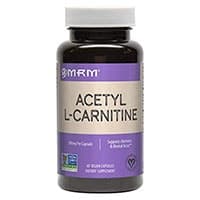
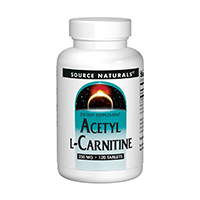
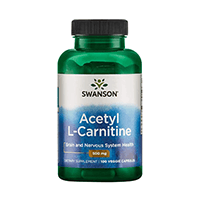
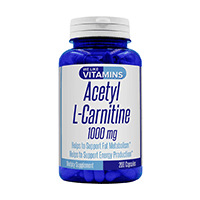
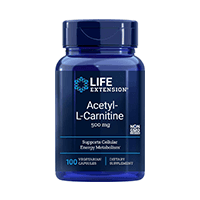
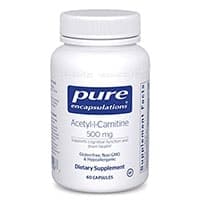
Why people shop acetyl-L-carnitine supplements
Acetyl-L-carnitine (often shortened to ALCAR) is a form of carnitine that is commonly marketed for focus, mental energy, and healthy aging support, while also appearing in performance and metabolic stacks. It is one of those categories that attracts both nootropic shoppers and fitness shoppers, which means product styles vary from clean single-ingredient capsules to stimulant-heavy blends. The smartest buying approach is to treat ALCAR as a specific ingredient decision, not a catch-all “energy” shortcut.
This guide is educational and not medical advice. If you have thyroid disorders, seizure history, bipolar-spectrum conditions, kidney disease, or take medications affecting mood, blood sugar, or thyroid function, discuss ALCAR with a qualified clinician before use. Pregnancy and breastfeeding should always be clinician-guided in this category.
Below the shortlist, you’ll find practical label checks, stack-planning guidance, and FAQs so you can choose products based on transparency and fit.
How to use this guide
Use the ranked list as a quality-first filter, not as a guarantee of cognitive or physical outcomes. ALCAR products differ in serving size, capsule count, and whether they are standalone formulas or packed into pre-workout/nootropic blends. If your goal is to evaluate ALCAR itself, a single-ingredient formula is usually the cleanest option.
Shoppers often compare ALCAR with other cognition- and performance-adjacent categories. If you’re exploring choline-centered options in similar nootropic stacks, read our alpha-GPC supplements guide. For amino-acid support often compared in focus and stress routines, see our tyrosine supplements guide. If your interest leans toward glucose/metabolic antioxidant support, our alpha-lipoic acid supplements guide is a useful contrast. These categories overlap in shopper intent but differ in mechanism, side-effect profile, and dose strategy.
What to look for in an ALCAR supplement
Clear ALCAR amount per serving
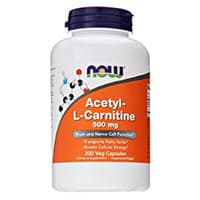
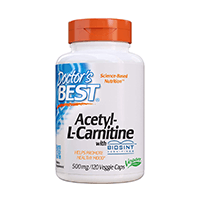
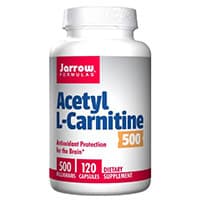
The first check is simple: exact milligrams of acetyl-L-carnitine per serving and clear daily directions. If the product hides ALCAR inside a proprietary “brain blend,” skip it. Hidden dosing makes value and tolerance assessment unreliable.
Single ingredient vs multipurpose blends
ALCAR is often combined with caffeine, alpha-GPC, taurine, theanine, or adaptogens. Blends may be convenient, but they create interpretation problems if you get jittery, irritable, or sleep-disrupted. For a cleaner trial, start with ALCAR alone.
Form and capsule burden
Many products use capsules, while some use powder. Powders can be cost-effective at higher doses; capsules improve convenience and portability. Choose the format you can follow consistently, not just the one with the flashiest branding.
Tolerance and timing strategy
Some users prefer morning use due to energizing effects, while later dosing may disturb sleep in sensitive people. Keep timing stable for your trial period so your response is easier to interpret.
Quality and manufacturing transparency
Look for brands with sensible quality disclosures, lot traceability, and clear manufacturing standards. In nootropic/performance crossover categories, trustworthy labeling is a major part of product quality.
Mistakes to avoid
- Stacking too many “focus” ingredients on day one. ALCAR + caffeine + choline + adaptogens can muddy both benefits and side effects.
- Confusing ALCAR with other carnitine forms. L-carnitine tartrate and ALCAR are related but not identical use-case decisions.
- Using supplements to compensate for chronic sleep loss. Better sleep hygiene usually moves outcomes more than adding another capsule.
- Ignoring mood or stimulation changes. If anxiety, irritability, or sleep disruption appears, reassess promptly.
- Buying by “brain fuel” slogans without dose transparency. Label detail beats lifestyle branding every time.
FAQs
What is acetyl-L-carnitine used for?
Most products are marketed for cognitive support, mental energy, and healthy aging/wellness routines, with some crossover into training support contexts. It is a dietary supplement category, not an approved treatment for neurological disease.
Is ALCAR the same as L-carnitine?
No. ALCAR is an acetylated form of carnitine with different formulation and use-case positioning. They are related but not interchangeable for every shopper.
Can I take ALCAR daily?
Some people do, but daily use should match your tolerance, health status, and medication context. If adverse effects persist, stop and review with a clinician.
What side effects are commonly discussed?
Some users report GI upset, restlessness, headache, or sleep disruption. Individual responses vary by dose and stack complexity.
Can I combine ALCAR with alpha-GPC or tyrosine?
Many stacks do, but combinations increase complexity. If you combine ingredients, introduce one change at a time and monitor response carefully.
How long should I trial a product?
If your clinician agrees with a trial, keep your routine stable for several weeks and avoid changing multiple other supplements simultaneously for cleaner interpretation.
How we shortlist products
Our rankings prioritize active-dose transparency, practical serving design, straightforward formulation, and manufacturing credibility. We favor labels that let readers understand exactly what they are taking and how to use it responsibly. For full editorial criteria, see our methodology.
Bottom line
ALCAR can be a useful category for readers exploring cognitive and energy-support routines, but results are usually best when the product is transparent and the stack is simple. Start with clear dosing, stable timing, and realistic expectations rather than jumping into complex formulas.
If your health profile includes medication overlap or psychiatric/neurological history, use ALCAR only with clinician guidance. In this category, clean formulation and careful monitoring beat aggressive experimentation.