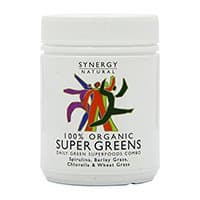
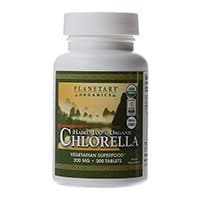
What chlorella supplements are (and why “green” is not a safety guarantee)
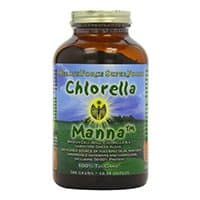
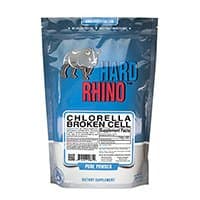
Chlorella is a freshwater green microalgae, commonly sold as tablets, powders, or capsules for “greens,” mineral, and detox-adjacent marketing. Serious products usually identify the species (often Chlorella vulgaris or Chlorella pyrenoidosa) and emphasize broken cell wall processing so the tough cell wall does not turn your supplement into expensive indigestible confetti.
The category’s real shopping axis is not chlorophyll vibes—it is contaminant control. Algae concentrates whatever is in its growth environment, which is why reputable brands talk about heavy metal testing, batch testing, and sourcing discipline. If a label treats testing like optional branding, treat the product like optional swallowing.
This guide is educational, not medical advice. If you take warfarin, have thyroid disease and iodine sensitivity, are pregnant or breastfeeding, have autoimmune disease, or take immunosuppressants, discuss chlorella with a clinician before starting—especially if you stack multiple algae or “immune” products.
How to use this guide
The shortlist helps you filter for transparent species labeling, broken cell wall disclosure where relevant, credible contaminant testing, and brands that do not bury micro-algae inside proprietary greens dust. The body below helps you match chlorella to your goal (a structured greens add-on versus “heavy metal detox” mythology) and avoid doubling iodine sources unintentionally.
If you are comparing algae categories, spirulina is the closest parallel on shelves (different organism, different iodine and protein story, same “test results matter” rule). If your shopping cart is drifting into iodine-heavy sea vegetables, kelp is a useful contrast because kelp can be a major iodine delivery system—stacking kelp + chlorella without thinking is a common accidental overload path. If you want leafy-green concentrates instead of algae, moringa is a different plant lane with different label habits and tolerability.
What to look for in a chlorella supplement
Species identity and processing: broken cell wall language that means something
Look for clear species naming and processing disclosure. “Broken cell wall” is not a magic slogan—it is a functional claim about digestibility.
Heavy metal and contaminant testing with real scope
Prefer brands that describe what is tested (lead, cadmium, arsenic, mercury, microbes) and how often—not generic “lab tested” badges.
Organic certification: helpful, not a substitute for testing
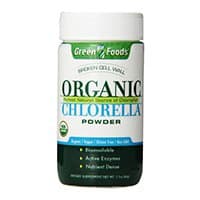
Organic can reflect cultivation inputs, but algae safety still depends on sourcing and finished-product testing.
Iodine awareness if you stack sea products or thyroid meds
Chlorella is not identical to kelp, but iodine content can still matter for some users. If you already eat iodized salt, take thyroid hormone, or take kelp, avoid blind stacking.
Powder versus tablets: adherence and GI tolerance
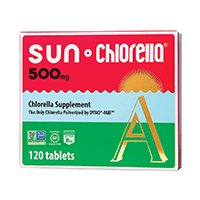
Powders can taste strong; tablets win for travel. Pick the format you will use consistently, because daily adherence matters more than “rawest” marketing.
Who chlorella is often a fit for (and who should pause)
Often a reasonable fit when
- You want a tested greens add-on with stable hydration and fiber habits.
- You can titrate dose slowly to reduce gas and bloating.
- You read labels to avoid redundant algae stacks.
Use extra caution when
- Immunosuppression or complex autoimmune management without specialist input.
- Pregnancy or breastfeeding without clinician-directed choices.
- Thyroid disease with finicky iodine exposure concerns.
Compare two chlorella labels in 60 seconds
- Step 1: species + cell wall processing stated?
- Step 2: mg or tablets/day and monthly cost?
- Step 3: contaminant testing described with scope?
- Step 4: proprietary blends hiding algae dose?
- Step 5: other algae/sea ingredients stacked in the same formula?
Common mistakes that waste money
- Buying untested bargain algae because “it’s just food.”
- Starting at a hero dose and quitting after gas.
- Stacking chlorella + spirulina + kelp + greens powder without iodine math.
- Expecting detox miracles instead of liver/kidney reality and medical evaluation when needed.
- Ignoring taste reality with powders you will not drink twice.
What to monitor in the first 2–4 weeks
If your clinician agrees, track GI tolerance (gas, bloating, stool changes), headache, skin reactions, energy, and thyroid-related symptoms if iodine sensitivity is relevant. Stop for severe allergic symptoms, persistent vomiting, or yellowing skin/eyes—and seek urgent care when appropriate.
FAQs
What is chlorella used for?
Marketing often points to minerals, chlorophyll-adjacent language, immune support, and “cleansing.” A realistic framing is a tested greens add-on for some users—not a replacement for medical evaluation of abnormal liver tests or toxin exposures.
Does chlorella detox heavy metals?
Do not treat supplements as a clinical chelation strategy. If heavy metal exposure is a real concern, that is occupational medicine or emergency medicine territory—not a powder tub.
Chlorella vs spirulina—which is better?
Depends on your goal, tolerance, iodine context, and product testing quality. “Better” is mostly better manufacturing, not better mythology.
Why does chlorella cause gas?
Fiber and microbiome shifts can produce gas when dose increases quickly. Slow titration and hydration help some users.
Is chlorella safe with thyroid medication?
Discuss with your clinician if you are iodine-sensitive or stacking iodine sources.
How long should I trial one product?
If medically appropriate, use one transparent product for 2–4 weeks with stable diet habits before judging.
How we shortlist products on this page
We prioritize contaminant testing credibility, species and processing transparency, manufacturing quality, and claims that do not exploit fear-based detox language. For how we evaluate products across the site, read our methodology.
Bottom line
Chlorella can be a reasonable greens add-on for some adults when sourcing and testing are serious and dosing is titrated thoughtfully. The best purchases are usually well-tested algae from brands that treat heavy metals like engineering requirements—not like optional marketing accessories.
If your goal is medical detoxification, abnormal liver labs, or unexplained illness, skip the supplement aisle and get clinician-directed evaluation first.