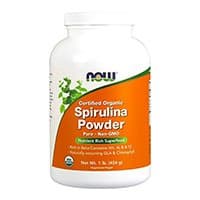
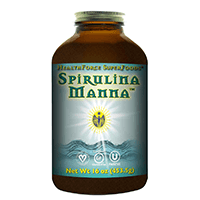
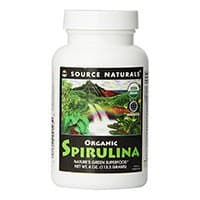
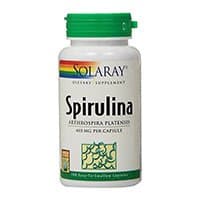
What spirulina supplements are (and why “blue-green algae” needs quality guardrails)
Spirulina is a cyanobacteria supplement (often labeled as Arthrospira platensis or closely related names) sold as tablets, powders, and sometimes capsules for protein, minerals, chlorophyll-adjacent “greens,” and antioxidant marketing around phycocyanin pigments. It is genuinely nutrient-dense on a gram-for-gram basis—which is exactly why sourcing matters: algae concentrates what is in its water, including contaminants you do not want on your daily menu.
The two shopper traps are predictable: untested bargain algae sold as “superfood,” and B12 marketing that treats spirulina like a reliable vitamin B12 source for vegans. Spirulina contains B12-like compounds, but they are not equivalent to the bioactive B12 forms humans reliably need—do not reorganize your nutrition plan around bottle copy.
This guide is educational, not medical advice. If you have autoimmune disease, take immunosuppressants, are pregnant or breastfeeding, or have phenylketonuria (PKU) or other metabolic conditions where protein/amino acid intake must be tightly controlled, discuss spirulina with a clinician before starting.
How to use this guide
The shortlist helps you filter for contaminant testing credibility (heavy metals, microcystins where relevant), transparent identity testing, and brands that publish meaningful QA scope—not forest photography. The body below helps you match format to adherence (powder smoothies versus travel tablets) and avoid doubling algae intake across greens stacks without noticing.
If you are comparing algae categories, chlorella is the closest parallel (different organism, different cell wall and iodine conversations, same “testing is the product” rule). If your goal is broad greens powders rather than single-algae discipline, compare expectations with green supplements as a category where blend transparency usually matters more than any one ingredient’s superfood name. If you want a leafy-green concentrate instead of algae, moringa is a different plant lane with different label habits and tolerability.
What to look for in a spirulina supplement
Species identity and cultivation disclosure
Look for clear organism naming and serious cultivation context. “Blue-green algae” without identity detail is a weak label.
Contaminant testing: heavy metals and algae toxins are the point
Prefer brands that describe testing scope meaningfully—lead, cadmium, arsenic, mercury, and algae-relevant toxin screening where applicable—not generic “lab tested” badges.
Phycocyanin claims tied to serving math
Some products quantify phycocyanin as a quality marker. That can be useful—if it maps to per-serving milligrams and not only marketing percentages.
Powder versus tablets: taste versus adherence
Powders mix into smoothies; tablets travel better. The best form is the one you will actually take consistently.
Standalone spirulina vs greens mega-blends
Blends can be fine, but they hide dose and make it easy to stack multiple algae sources unintentionally.
Who spirulina is often a fit for (and who should pause)
Often a reasonable fit when
- You want a tested algae add-on to an already solid whole-food diet.
- You can titrate slowly to reduce gas and GI adjustment symptoms.
- You read labels to avoid redundant stacking across products.
Use extra caution when
- Autoimmune disease or immunosuppression without specialist input.
- PKU or other amino acid metabolism disorders unless cleared by a metabolic clinician.
- Pregnancy and breastfeeding without clinician-directed choices.
Compare two spirulina labels in 60 seconds
- Step 1: organism/species stated clearly?
- Step 2: grams or tablets/day and protein contribution if that is your goal?
- Step 3: contaminant testing scope described meaningfully?
- Step 4: phycocyanin per serving if claimed?
- Step 5: proprietary blends hiding algae dose?
Common mistakes that waste money
- Buying the cheapest bulk tub with no testing story.
- Treating spirulina as bioactive B12 insurance for vegan nutrition planning.
- Stacking spirulina + chlorella + greens powder and wondering why GI symptoms appear.
- Starting at a hero dose and quitting after bloating.
- Ignoring fishy/off smells that suggest poor freshness or quality control.
What to monitor in the first 2–4 weeks
If your clinician agrees, track GI tolerance, headache, skin reactions, energy, and adherence. Stop for severe allergic symptoms, persistent vomiting, or yellowing skin/eyes—and seek urgent care when appropriate.
FAQs
Is spirulina a good protein source?
It contributes protein, but most people do not eat enough spirulina grams to replace structured protein targets. Treat it as an add-on, not a primary protein strategy.
Does spirulina have B12?
It has B12 analogues that are not dependable for preventing deficiency. Use real B12 strategies your clinician or dietitian approves.
Spirulina vs chlorella—which is better?
Depends on goal, tolerance, iodine context, and—above all—product testing quality. “Better” is mostly better manufacturing.
Can spirulina cause autoimmune flares?
Theoretical internet debates exist; medically complex autoimmune patients should not self-experiment without specialist input.
How long should I trial one product?
If medically appropriate, use one transparent product for 2–4 weeks with stable diet habits before judging.
Is spirulina safe in pregnancy?
Do not self-prescribe; pregnancy decisions belong to your clinician.
How we shortlist products on this page
We prioritize contaminant testing credibility, identity transparency, manufacturing quality, and claims that do not exploit superfood mystique. For how we evaluate products across the site, read our methodology.
Bottom line
Spirulina can be a reasonable greens add-on for many adults when sourcing and testing are serious and expectations stay grounded. The best purchases are usually well-tested algae from brands that treat contaminants like engineering requirements—not optional marketing accessories.
If your nutrition plan is mostly powders while vegetables stay absent, fix the basics first—spirulina works best as a teammate, not a replacement for a real diet.