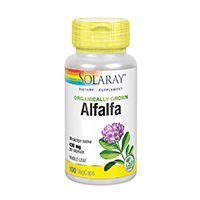
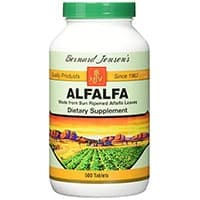
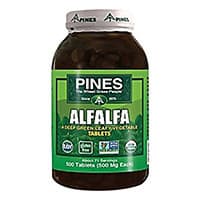
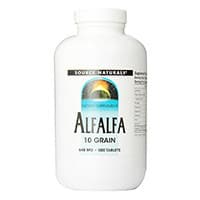
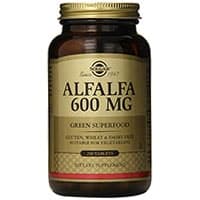
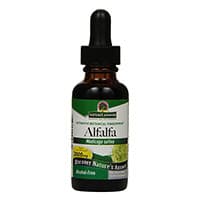
What alfalfa supplements are (and why they are not “just greens”)
Alfalfa usually refers to Medicago sativa—a leafy legume sold as tablets, capsules, powders, and sometimes liquid concentrates. Marketing often frames it as a mineral-rich “green food” add-on, sometimes tied to chlorophyll language, alkalizing stories, or vague hormone balance claims.
The supplement reality is more practical: alfalfa is a plant concentrate that can concentrate plant compounds along with nutrients. That can be fine for many people, but it also means alfalfa belongs in the same cautious bucket as other concentrated botanicals when you take warfarin, have systemic lupus erythematosus (SLE), or have complex hormone-sensitive conditions—because “natural leaf” is not the same thing as “medically neutral.”
This guide is educational, not medical advice. If you take anticoagulants, have lupus or other autoimmune disease, are pregnant or breastfeeding, or take multiple medications, discuss alfalfa with a qualified clinician before starting.
How to use this guide
The shortlist helps you filter for label honesty (what part of the plant, what form), manufacturing credibility, and brands that do not bury alfalfa as a tiny line item in a giant “greens” proprietary blend. The body below helps you match alfalfa to your goal—trace mineral and fiber-adjacent routines versus true micronutrient repletion—and avoid paying superfood prices for filler.
If you are comparing leafy green concentrates, moringa is a common parallel product with different nutrient marketing and different label habits. If you are shopping algae-based greens, spirulina is a useful contrast for heavy-metal testing seriousness and dose norms. If your real goal is a broad greens powder routine, compare category expectations with green supplements generally—often a better fit than single-herb mythology.
What to look for in an alfalfa supplement
Plant part and form: leaf powder vs extract vs “aerial parts”
Look for clear language about what you are consuming. “Alfalfa” without part specificity is weaker than labels that state leaf or aerial parts and whether the product is a simple powder or a concentrated extract.
Vitamin K and anticoagulant context
Leafy plant concentrates can contribute vitamin K–containing food complexity for people on warfarin. This is not a reason to panic about every vegetable, but it is a reason to involve your clinician/pharmacist when you add new concentrated plant products.
Lupus (SLE) and autoimmune caution framing
Alfalfa has a long-circulating caution in lupus education materials tied to certain alfalfa constituents and anecdotal flare concerns; supplement quality and individual disease activity vary. If you have SLE or similar conditions, this is not a “try it quietly” category—get explicit guidance.
Proprietary greens blends vs standalone alfalfa
Blends are popular. If alfalfa is the ingredient you care about, make sure the dose is disclosed—not hidden inside a 4,000 mg “greens matrix.”
Contaminants, sourcing, and testing
Plant powders should come from suppliers that take identity and contaminant screening seriously (heavy metals, microbes). Prefer meaningful testing language over decorative badges.
Who alfalfa is often a fit for (and who should pause)
Often a reasonable fit when
- You want a simple add-on to an already solid whole-food diet.
- You can tolerate fiber-forward plant powders and hydrate normally.
- You are not on high-stakes anticoagulation without medical awareness.
Usually a poor DIY fit when
- Systemic lupus or other complex autoimmune disease without specialist input.
- Warfarin therapy where dietary vitamin K stability is medically important.
- Pregnancy or breastfeeding without clinician-directed choices.
Compare two alfalfa labels in 60 seconds
- Step 1: Medicago sativa + plant part stated?
- Step 2: mg per serving and servings per day—monthly cost?
- Step 3: Powder vs extract—and extract honesty?
- Step 4: Hidden proprietary blends?
- Step 5: Allergen statements (legume sensitivity is possible for some users)?
Common mistakes that waste money
- Buying a greens tub for one ingredient without knowing the alfalfa fraction.
- Expecting alfalfa to replace vegetables you are not willing to eat.
- Ignoring warfarin stability lessons while rotating new green powders monthly.
- Chasing “alkalize your body” claims instead of measurable nutrition goals.
- Mega-dosing multiple green concentrates and wondering why GI symptoms appear.
What to monitor in the first 2–4 weeks
If your clinician agrees, track GI tolerance (bloating, gas, stool changes), energy, and any unusual rash or joint symptom changes—especially if you have autoimmune history. For anticoagulant users, follow your clinician’s monitoring plan; do not improvise INR stability with new supplements.
FAQs
What is alfalfa used for in supplements?
Common marketing themes include trace minerals, chlorophyll-adjacent “cleansing” language, and general wellness. Evidence for dramatic outcomes is usually weaker than packaging implies; the honest win is often a modest dietary add-on.
Is alfalfa high in vitamin K?
Leaf concentrates can matter for vitamin K dietary patterns. Warfarin users should treat new concentrated greens as a coordinated medical decision.
Is alfalfa safe if I have lupus?
This is a clinician question, not a supplement forum question. If you have SLE, default to specialist guidance before experimenting.
Can alfalfa help hormones or menopause symptoms?
Some products imply phytoestrogen angles; expectations should stay modest and individualized. Persistent symptoms deserve medical evaluation, not escalating botanical stacks.
Are alfalfa sprouts the same as alfalfa capsules?
No. Sprouts and food forms have different contamination and preparation risks than encapsulated leaf powders. Do not assume equivalence.
How long should I trial one product?
If medically appropriate, use one transparent product for 2–4 weeks with stable diet habits before judging.
How we shortlist products on this page
We prioritize botanical identity, honest serving disclosure, manufacturing credibility, and conservative medical framing for anticoagulant and autoimmune contexts. For how we evaluate products across the site, read our methodology.
Bottom line
Alfalfa supplements can be a reasonable pantry-style add-on for some adults when labels are clear and medical context is uncomplicated. The best buys are usually simple, well-tested leaf products—not mystery greens matrices priced like premium medicine.
If you are medically complex, treat alfalfa like a real variable in a managed plan—not like harmless lettuce in a capsule.