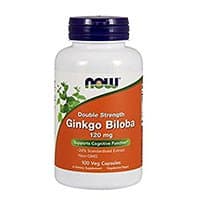
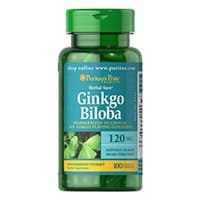
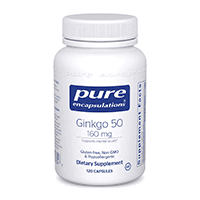
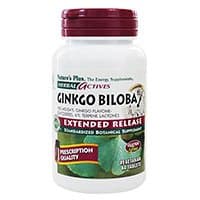
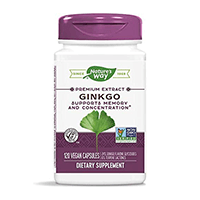
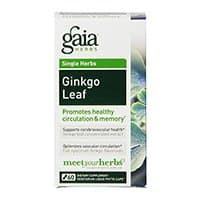
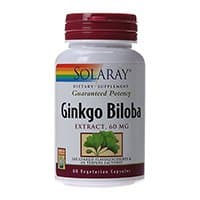
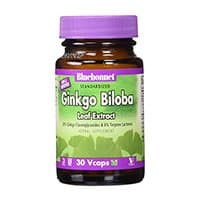
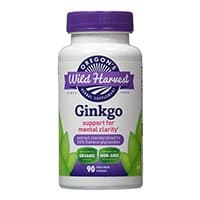
What ginkgo biloba supplements are (and why “standardized extract” actually matters)
Ginkgo biloba leaf extracts are one of the oldest “brain health” categories in modern supplement retail, usually marketed for memory, focus, circulation-adjacent wellness language, and sometimes vertigo/tinnitus conversations in popular health writing. Serious products are often based on standardized extracts (frequently discussed in research contexts as EGb761-like profiles) that specify ranges of flavone glycosides and terpene lactones—not random dried leaf powder in a capsule.
That standardization gap is the whole shopping problem: two bottles can both say “ginkgo” while one is a clinically studied extract class and the other is weak herbal filler. If the label cannot quantify the standardization per serving, you are not comparing products—you are comparing packaging.
This guide is educational, not medical advice. If you take anticoagulants or antiplatelet drugs, have a seizure disorder or take seizure medications, are pregnant, or have upcoming surgery, discuss ginkgo with a clinician before starting—ginkgo’s bleeding and drug-interaction reputation is the headline safety issue.
How to use this guide
The shortlist helps you filter for honest standardized extract disclosure, credible manufacturing, and brands that do not bury ginkgo inside proprietary “nootropic” dust. The body below helps you match ginkgo to a realistic goal (subjective cognitive support versus circulation marketing) and avoid stacking multiple blood-thinning supplements without medical awareness.
If you are comparing cognitive botanicals with different timelines, bacopa is a useful contrast (often discussed as a slower, weeks-long trial ingredient). If you want phospholipid-based cognitive support with different dosing norms, phosphatidylserine is a parallel lane—not interchangeable, but a common cross-shop. If your interest is vascular health in the omega-3 sense rather than ginkgo flavonoids, align expectations with fish oil (EPA/DHA is a different purchase decision with different monitoring rules).
What to look for in a ginkgo biloba supplement
Standardized leaf extract with per-serving chemistry
Look for flavone glycoside and terpene lactone percentages or milligrams per serving, depending on how the label is written. If the label only says “ginkgo leaf,” treat potency as unknown.
EGb761-style extracts versus generic “extract”
Some brands reference research-backed extract profiles explicitly. You do not need to memorize study names, but you should prefer labels that read like a specification, not a poem.
Standalone ginkgo vs nootropic blends
Blends with choline sources, caffeine, vinpocetine-adjacent ingredients, and other actives are common. They make attribution harder and can increase stimulant and bleeding-risk stacking mistakes.
Dose realism and adherence
Ginkgo trials in research contexts often use consistent daily dosing for weeks. If you cannot take it steadily, you will not learn much from a fair trial.
Manufacturing and contaminant seriousness
Prefer meaningful third-party testing language (identity, purity) over decorative badges.
Who ginkgo may be appropriate for (and who should avoid it)
Often a reasonable fit when
- You want a clinician-supported trial for subjective cognitive or circulation-adjacent goals with a transparent standardized extract.
- You are not on high-risk bleeding medications and do not stack multiple anticoagulant-adjacent supplements.
Usually a poor DIY fit when
- Anticoagulant/antiplatelet therapy, bleeding disorders, or upcoming surgery without perioperative guidance.
- Seizure disorders or seizure meds where threshold changes matter—clinician input is essential.
- Pregnancy: not a self-experiment category.
Compare two ginkgo labels in 60 seconds
- Step 1: standardized leaf extract stated?
- Step 2: flavone glycosides + terpene lactones per serving (mg or % with math)?
- Step 3: mg extract per serving and servings/day?
- Step 4: proprietary blends hiding dose?
- Step 5: credible testing language?
Common mistakes that waste money
- Buying non-standardized leaf powder and expecting extract-level outcomes.
- Stacking ginkgo + fish oil + aspirin culture + NSAIDs without thinking about bleeding risk.
- Expecting stimulant focus from a non-stimulant botanical.
- Using ginkgo to postpone evaluation of sudden neurologic symptoms.
- Switching brands weekly and learning nothing useful.
What to monitor in the first 6–12 weeks
If your clinician agrees, track headache, GI upset, bruising, nosebleeds, dizziness, sleep changes, and subjective cognitive goals with stable caffeine and sleep habits. Stop and seek urgent care for signs of severe bleeding, sudden neurologic deficits, or allergic reactions after dosing.
FAQs
Does ginkgo improve memory?
Some trials suggest modest subjective benefits in selected populations; results are mixed and product-dependent. A fair personal trial uses a transparent standardized extract for enough weeks to matter—if medically appropriate.
Can ginkgo cause bleeding?
Bleeding risk is the classic caution—especially with anticoagulants, antiplatelets, NSAIDs, and perioperative windows. Involve your clinician and pharmacist.
Can ginkgo affect seizures?
There is enough historical caution that seizure patients should not self-experiment; use clinician-directed plans only.
Is ginkgo safe with antidepressants?
Polypharmacy deserves pharmacist review; “natural brain support” is not interaction-free.
Ginkgo vs prescription cognitive drugs?
Not comparable categories. If cognition changes are progressive or sudden, that is medical evaluation territory.
How long should I trial one product?
If medically appropriate, use one transparent standardized extract for several weeks with stable habits before switching brands.
How we shortlist products on this page
We prioritize standardized extract disclosure, manufacturing credibility, conservative bleeding-interaction framing, and claims that stay inside plausible evidence boundaries. For how we evaluate products across the site, read our methodology.
Bottom line
Ginkgo biloba can be a reasonable option for some adults when the product is a real standardized leaf extract with honest chemistry disclosure—not vague “ancient tree wisdom” powder. The best purchases are usually boringly specific about flavonoid and terpene lactone content, with medical clearance when bleeding or seizure risk exists.
If neurologic symptoms are new or severe, skip the supplement aisle and get urgent evaluation—ginkgo is not an acceptable substitute for diagnosis.