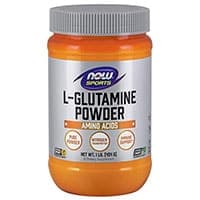
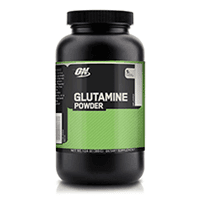
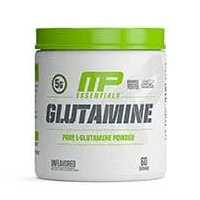
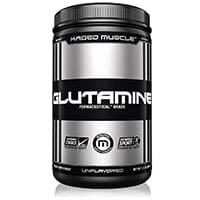
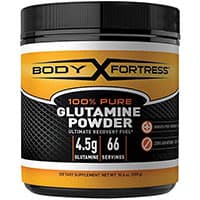
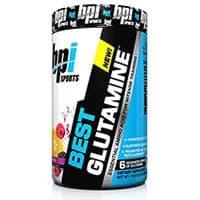
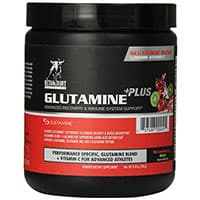
What L-glutamine supplements are (a protein-building block sold for gut and recovery stories)
L-glutamine is a conditionally essential amino acid found in dietary protein and sold as a taste-friendlier powder for “recovery,” immune-adjacent marketing, and gut lining narratives. It is not magic pixie dust: if your daily protein intake is already high from food and whey, extra glutamine may be nutritionally redundant for some goals—while still being subjectively useful for people who want a cheap, dissolvable powder for specific trial protocols.
This guide is educational, not medical advice. If you have inflammatory bowel disease flares, severe abdominal pain, blood in stool, cancer treatment–related gut complications, or liver failure contexts where ammonia and amino acid handling change, glutamine is clinician territory—not a self-directed mucosa repair project from a tub.
How to use this guide
The shortlist favors single-ingredient transparency (grams per scoop), credible manufacturing and contaminant testing language for high-volume powders, and brands that do not sell “leaky gut cure” certainty without evidence humility. The body below helps you decide when glutamine is a plausible experiment versus when you should fix protein totals, training load, sleep, and medical evaluation first.
If you are comparing amino-heavy training powders, read our BCAA supplements page so you understand leucine marketing and whether you are duplicating amino acids across pre-workout, intra, and bedtime stacks without meaning. If you want the highest-evidence training staple separate from amino window debates, keep creatine supplements in the correct priority lane—daily saturation matters more than mystical peri-workout glutamine timing for most lifters. If your glutamine interest is really about sipping something during training, compare habits with intra-workout supplement products—many intras already contain glutamine alongside carbs and electrolytes, which is another place accidental doubling happens.
What to look for on a glutamine label
Grams per serving and true daily totals
Studies discussed online sometimes use multi-gram daily amounts; a tiny 2 g “maintenance” scoop may not match the story you think you bought. Compute grams/day honestly.
Powder purity and taste systems
Plain glutamine is often bland; flavored products can smuggle extra calories and sweeteners you did not budget for.
Stacking with protein powders and collagen
Glutamine is an amino acid, but it is not a substitute for complete protein distribution across meals—do not let powder rituals replace food quality.
GI tolerance and osmotic diarrhea
High doses can loosen stools; titration beats jumping to influencer megadoses on day one.
Contaminant testing for frequent use
Big tubs consumed daily deserve third-party testing credibility, not only warehouse-brand pricing.
Who glutamine may be appropriate for (and who can skip it)
Some athletes and clinicians discuss glutamine in catabolic stress contexts; some people trial it for functional GI complaints when medically appropriate. If you are already eating ample protein and your training recovery is fine, glutamine may be optional budget—not a missing anabolic key.
Evidence expectations: muscle, immunity, and gut marketing
Muscle recovery claims are often weaker than gym culture implies when protein intake is adequate. Gut-oriented narratives are heterogeneous and condition-specific; retail certainty usually outruns trial nuance. A grounded stance is: define your symptom target, trial with a stop rule, and involve clinicians for alarm features or chronic disease contexts.
Mistakes people make with glutamine
- Buying it for “gains” while protein and sleep are broken.
- Stacking glutamine across three products without totaling grams.
- Confusing amino acid powder with complete nutrition.
- Ignoring diarrhea as “detox.”
- Replacing colonoscopy-candidate symptoms with tubs.
Compare two glutamine products in 60 seconds
- Step 1: L-glutamine grams per serving stated?
- Step 2: flavored versus plain matches your calorie plan?
- Step 3: third-party testing language?
- Step 4: scoop consistency (weigh if needed)?
- Step 5: no disease-cure promises in fine print?
What to monitor in the first 2–3 weeks
Track bloating, gas, stool changes, sleep, and subjective recovery markers you already trust (training logs, soreness patterns). If GI alarm features appear—blood, progressive pain, weight loss—stop supplement experiments and seek medical evaluation.
FAQs
When should I take glutamine?
Evidence timing debates exist; compliance usually beats mystical minute-of-day rules. Split doses can improve tolerance for some people.
Does glutamine build muscle?
Not as a primary lever compared with total protein, calories, and progressive overload; it may be marginal for already-optimized athletes and irrelevant if protein is low in absolute terms.
Can glutamine help leaky gut?
That phrase is more marketing than medical diagnosis; if permeability concerns are real, clinician-led evaluation matters—do not self-treat a label with a powder.
Is glutamine safe long term?
Many people tolerate it; high-risk hosts need individualized guidance. Long-term megadosing without medical reason is a poor default.
Can I mix glutamine with creatine?
Commonly done; both are frequent powder-stack ingredients—still read labels so you are not triple-paying for the same amino story.
How long should I trial one product?
If tolerance is good, a few weeks with honest symptom tracking beats months of sunk-cost worship—if nothing changes, the bottleneck was not glutamine.
How we shortlist products on this page
We prioritize gram transparency, manufacturing credibility, conservative gut-claim framing, and brands that do not sell amino acids as disease cures. For how we evaluate products across the site, read our methodology.
Bottom line
L-glutamine is a cheap, simple powder that can be a reasonable trial for some people with defined goals and medical clearance when needed—but it is not a universal recovery cheat code. The best tub is honestly dosed, third-party credible, and paired with protein and sleep basics you can sustain without magical thinking.
If bowel symptoms are progressive or alarming, medical evaluation beats another scoop.