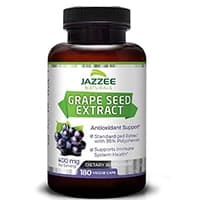
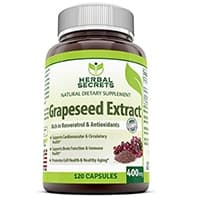
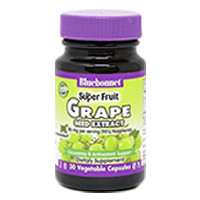
Why people shop grape seed extract supplements
Grape seed extract (often abbreviated GSE) is a polyphenol-rich supplement category typically marketed for antioxidant support, circulation wellness, skin-aging support, and vascular comfort. Most products emphasize oligomeric proanthocyanidins (OPCs), but labels vary widely in how clearly those compounds are disclosed. This is one of those categories where many bottles look premium while still making it difficult to compare active content in a useful way.
In practical use, grape seed extract is usually best treated as a modest, long-horizon support ingredient — not a short-term “visible transformation” supplement. If your expectations are dramatic and immediate, you are likely to overstack products and under-evaluate fundamentals like sleep, blood pressure management, movement, and diet quality.
This guide is educational and not medical advice. If you use anticoagulants/antiplatelets, have bleeding-risk concerns, upcoming surgery, cardiovascular disease, or complex medication use, discuss grape seed extract with a qualified clinician before daily supplementation.
How to use this guide
Use the ranked list as a quality-and-fit filter, not as a treatment protocol. Start by defining your main goal:
- General antioxidant support in a simplified wellness routine
- Circulation/vascular comfort support with clinician-aware context
- Skin-aging support as part of broader nutrition and lifestyle planning
Then choose the cleanest formula that matches that goal. A common mistake is adding grape seed extract on top of several similar polyphenol products at once, then not knowing what is helping. Single-variable trials usually produce better decisions and fewer side-effect surprises.
If you’re comparing adjacent categories often used in similar stacks, review our pine bark extract supplements guide for another OPC-related lane, our resveratrol supplements guide for longevity-style polyphenol routines, and our hesperidin supplements guide for citrus-flavonoid vascular support context.
For full cross-site ranking criteria and product-evaluation standards, see our methodology.
Who this category is for (and who should pause first)
Usually a better fit for
- Users who want one transparent antioxidant/vascular-support product in a low-complexity routine.
- People who can monitor tolerance and maintain a consistent protocol for several weeks.
- Shoppers who care about standardized active disclosure, not just “grape antioxidant” branding.
Usually a poor fit for unsupervised use
- Anyone on blood-thinning medications without clinician/pharmacist review.
- Users already stacking multiple circulation-support herbals without clear dose tracking.
- People expecting this category to replace blood-pressure, lipid, or vascular medical management.
How to compare two grape seed labels in 60 seconds
- Step 1: Confirm exact grape seed extract amount per serving.
- Step 2: Confirm OPC/proanthocyanidin standardization details (if claimed).
- Step 3: Check serving schedule and practical fit for daily adherence.
- Step 4: Check blend complexity (standalone vs mixed antioxidant matrix).
- Step 5: Check medication warnings and manufacturing transparency.
If active standardization is vague, treat the product as low-confidence and move on.
What to look for in a grape seed extract supplement
OPC standardization clarity
Because OPC content is central to category positioning, a strong product should make this easy to understand. Marketing-heavy labels with no practical active disclosure are poor comparison tools.
Standalone formula vs antioxidant blends
Blends that combine grape seed with green tea, vitamin C, resveratrol, or berry extracts can be convenient but reduce interpretability. If your goal is to evaluate grape seed extract specifically, standalone formulas are cleaner.
Dose realism and routine simplicity
Most users get better outcomes from a manageable protocol they can sustain than from aggressive stacks they abandon after two weeks.
Medication-context awareness
If bleeding-risk medication is part of your routine, this is a clinician-reviewed decision. Do not self-stack based on influencer “vein support” content.
Quality and sourcing transparency
Look for sensible manufacturing disclosures and clear ingredient identity. In high-competition polyphenol categories, transparency is one of the most practical quality markers.
Common mistakes that waste money
- Stacking multiple polyphenol products immediately. This increases cost and noise without improving decision quality.
- Expecting immediate cosmetic vascular changes. Most supportive effects, if present, are subtle and slow.
- Ignoring interaction context with blood-thinning therapies.
- Buying “antioxidant complex” products with tiny grape seed amounts.
- Using supplements to delay evaluation of serious vascular symptoms.
What to monitor in your first 2-4 weeks
If your clinician supports a trial, monitor:
- Primary goal marker: circulation comfort, skin-support perception, or general recovery feel.
- Tolerance: GI response, headaches, unusual bruising, or bleeding-related concerns.
- Routine adherence: can you keep dosing consistent without friction?
- Stack overlap: avoid adding other new polyphenol products mid-trial.
- Medication-response context: any unusual symptom shifts should trigger prompt review.
FAQs
What is grape seed extract used for?
Most products are marketed for antioxidant and vascular-support routines, with some skin-aging support positioning. It is not a substitute for treating cardiovascular or venous disease.
Is grape seed extract the same as resveratrol?
No. They are different polyphenol categories with different compound profiles and labeling patterns.
Can I take grape seed extract daily?
Many users do, but daily use should match medication context and tolerance. If bleeding-risk concerns exist, clinician review is essential.
What side effects are commonly discussed?
Some users report mild GI discomfort or headache; interaction-related concerns can be more relevant in medication-sensitive contexts.
Can I combine grape seed with pine bark extract?
Possible, but overlapping OPC-focused products can add complexity without clear benefit. Start one variable at a time.
How long should I trial one product?
If medically appropriate, use one transparent product consistently for 2-4 weeks before evaluating fit.
Can grape seed extract replace blood pressure or lipid treatment?
No. It may be an adjunct for some users, but clinical care remains primary.
Bottom line
Grape seed extract can be a useful category for users seeking a transparent polyphenol option in antioxidant/vascular-support routines, but quality and context matter more than broad “anti-aging” claims. The best product is usually one with clear OPC disclosure, practical serving design, and minimal blend noise.
Keep your routine simple, monitor meaningful outcomes, and treat medication interactions seriously. In this category, disciplined stacking and realistic expectations deliver better long-term decisions than trend-driven overloading.