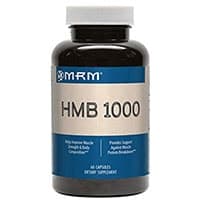
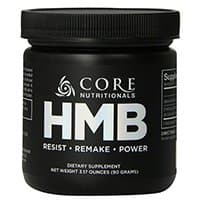
Why athletes shop HMB supplements
HMB (beta-hydroxy beta-methylbutyrate) is a metabolite of the amino acid leucine, sold as calcium HMB, free-acid forms, or blended into recovery products. The usual buyer story is straightforward: training hard while trying to protect lean mass—especially during demanding blocks, calorie deficits, or return-to-training phases where recovery feels fragile. HMB is not a substitute for protein intake, sleep, or progressive training, and individual responses vary widely.
This guide is educational, not medical advice. If you have kidney disease, are pregnant or breastfeeding, take prescription medications, or have a history of eating disorders in sport, discuss new ergogenic aids with a qualified clinician. Youth athletes should involve parents and coaches with appropriate oversight.
Below the shortlist, we cover calcium versus free-acid formats, serving transparency, realistic expectations, and common mistakes. For how we evaluate products in ranked guides, see our methodology.
How to use this guide
Use the ranked list as a quality-first filter for brands that disclose grams per serving and minimize pointless fillers—not as proof of competition outcomes. HMB products differ in whether they deliver a full daily amount in one or two servings, whether they are unflavored powders or capsules, and whether they are bundled with BCAAs, creatine, or vitamins.
Most readers compare HMB with other training staples. If you are evaluating leucine itself, see our leucine supplements guide. For intra-workout amino products often stacked alongside recovery ingredients, read our BCAA supplements guide. For one of the most common ergogenic categories in strength sports, creatine supplements cover a different mechanism and dosing culture—useful context so you do not confuse distinct levers.
What to look for
Calcium HMB vs. free-acid forms
Products may use calcium-bound HMB or marketed free-acid delivery formats. The practical shopping question is not the adjective—it is whether the label translates into clear grams of HMB per day and tolerable dosing frequency. If two brands use different salts or forms, compare your true daily grams and your stomach’s response, not the front-label hype.
Grams per serving vs. capsule burden
Effective daily totals discussed in sports nutrition contexts often land in a range that can mean multiple large capsules or a measured scoop. Before you buy, calculate how many pills or scoops you will actually take when life gets busy—adherence beats theoretical potency.
Unflavored powder vs. flavored systems
Unflavored HMB can taste bitter or chalky to some palates; flavored blends can hide taste at the cost of extra ingredients. If you mix into juice or protein shakes, confirm solubility and whether sweeteners fit your preferences.
Stacking discipline
Training stacks can quietly duplicate ingredients across pre-workouts, aminos, and recovery products. If you add HMB, scan your other labels for overlapping BCAAs, stimulants, and creatine so you are not accidentally overdoing multiple categories at once.
Who should be extra cautious
- Medical conditions affecting kidneys or electrolytes: get clinician guidance before high supplemental loads.
- Competitive athletes: verify your sport’s supplement policy; this guide cannot certify anti-doping status for your federation.
- Teen athletes: prioritize food, sleep, and coaching fundamentals first.
Mistakes to avoid
- Buying HMB instead of fixing protein and calories. If daily protein is chronically low, fix the foundation before optimizing metabolites.
- Expecting visible changes in a week. Training adaptations are noisy; fair comparisons need consistent training logs.
- Chasing proprietary blends. If you cannot determine HMB grams per day, you cannot compare value.
- Ignoring GI signals. Split servings or change format if nausea persists—stubbornness is not toughness.
FAQs
What is HMB used for?
Products typically position it for muscle recovery and retention support around resistance training. Supplements are not approved drugs for building muscle or treating sarcopenia—your training and nutrition dominate outcomes.
Is HMB the same as leucine?
No. Leucine is an essential amino acid; HMB is a downstream metabolite discussed in sports nutrition contexts. Different products, different labels—do not substitute names casually.
When should I take HMB?
Follow the product label unless your dietitian or coach prescribes otherwise. Splitting doses can help GI tolerance for some users; consistency matters more than magical timing.
Do I need HMB if I already take creatine?
They are different compounds with different roles in a stack narrative. Some athletes use both; others prioritize basics first. Budget and adherence usually decide more than forum dogma.
What side effects are commonly discussed?
Mild GI upset appears in anecdotal reports—responses vary. Stop and seek medical advice for severe abdominal pain, persistent vomiting, or allergic symptoms.
Is HMB useful for beginners?
New lifters often progress fastest by mastering technique, sleep, and protein intake. Supplements are optional polish once fundamentals are solid—unless a clinician has a specific reason for you.
How we shortlist products
Our rankings reward transparent HMB content per serving, fair value at realistic daily use, credible manufacturing cues, and practical fit—powder versus capsule, minimalist versus stacked formulas. Rankings are editorial guidance, not medical advice. For the full framework, read the methodology page.
Bottom line
HMB can be a rational category to compare if you want a leucine-metabolite supplement with a long track record in sports nutrition conversations—but it is still a small lever relative to training volume, recovery, and daily protein. Prioritize clear grams per day, honest adherence, and a skeptical eye toward blends that hide weak doses behind long ingredient lists.
Use the shortlist to identify transparent candidates, then choose based on taste tolerance, capsule burden, and whether you truly want HMB solo or as part of a broader recovery formula.