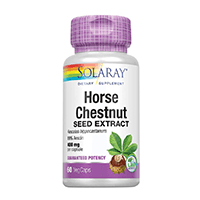
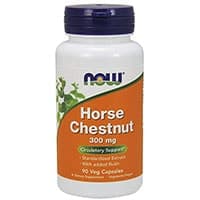
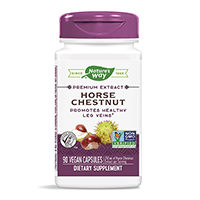
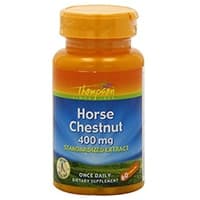
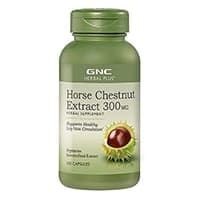
Why people shop horse chestnut supplements
Horse chestnut (usually from Aesculus hippocastanum seed extract) is a category most people discover while searching for leg-circulation comfort, heaviness, and vein-support routines. It is commonly discussed in chronic venous-insufficiency-adjacent conversations, but supplement marketing can blur an important line: supportive symptom management is not the same thing as treating vascular disease. If you buy this category expecting a quick cosmetic fix or a substitute for medical care, you are likely to be disappointed.
What makes horse chestnut different from many “general wellness” botanicals is that standardization and product quality are non-negotiable. The key active marker often referenced is aescin (escin), and safe product design matters because raw/unprocessed horse chestnut is not something to self-handle. In practical terms, the best product is one with clear extract identity, standardized disclosure, and a realistic dosing protocol you can follow consistently.
This guide is educational and not medical advice. If you have blood-clot history, severe leg swelling, skin ulceration, kidney or liver disease, bleeding disorders, upcoming surgery, or use anticoagulants/antiplatelet therapy, speak with a qualified clinician before using horse chestnut. Sudden unilateral leg pain/swelling, chest pain, or shortness of breath are emergency symptoms and require urgent medical care.
How to use this guide
Use the ranked list as a quality-and-fit filter, not as a diagnosis or treatment protocol. Start by defining one clear goal:
- Daily leg-comfort support for heaviness/discomfort patterns
- Adjunct support alongside compression, movement, and clinician guidance
- Vascular-support stack refinement with minimal formula overlap
When your goal is clear, compare products by standardization and serving practicality rather than by vague “vein support” marketing. If your routine already includes flavonoids, pine bark, or circulation complexes, simplify first so you can interpret response.
For adjacent categories commonly compared in the same shopper journey, see our butcher’s broom supplements guide for another venous-support botanical lane, our hesperidin supplements guide for citrus-flavonoid positioning, and our pine bark extract supplements guide for polyphenol-heavy circulation support in a different format profile.
For complete ranking criteria used across the site, see our methodology.
Who this category is for (and who should avoid DIY trials)
Usually a better fit for
- Users with mild-to-moderate leg-heaviness discomfort seeking adjunct support in a structured routine.
- People willing to pair supplements with basics that matter (movement, hydration, compression habits where appropriate).
- Shoppers who prioritize standardized extracts and safety transparency over influencer-style claims.
Usually a poor fit for unsupervised use
- Anyone with severe swelling, skin changes, venous ulcers, or clotting-history concerns without clinician oversight.
- Users on anticoagulants/antiplatelet regimens who have not had medication review.
- People expecting supplements to replace diagnostic evaluation of progressive vascular symptoms.
How to compare two horse chestnut labels in 60 seconds
- Step 1: Confirm ingredient is horse chestnut seed extract, not raw seed powder.
- Step 2: Confirm standardized aescin/escin disclosure (when provided) and per-serving amount.
- Step 3: Confirm serving schedule and whether it is practical for daily adherence.
- Step 4: Check blend complexity (single ingredient vs multi-botanical vein formula).
- Step 5: Check quality/safety cautions (blood thinning, surgery, kidney/liver context).
If a product is vague on standardization and safety notes, skip it. In this category, ambiguity is a meaningful risk signal.
What to look for in a horse chestnut supplement
Standardized seed extract clarity
Reliable products identify horse chestnut seed extract and provide standardization details where relevant. Generic “vascular support blend” wording without extract quality context is rarely enough for confident buying.
Single-ingredient vs combination vein formulas
Combination products may include butcher’s broom, hesperidin, diosmin-style compounds, or antioxidants. Convenience can be useful, but combination formulas are harder to troubleshoot. If this is your first trial, a transparent single-ingredient product often gives cleaner feedback.
Dose practicality and long-term adherence
This category is often used in ongoing routines, not one-week experiments. A product with perfect specs but impossible scheduling is less useful than a moderate, transparent formula you can maintain consistently.
Medication and bleeding-risk context
Interaction context matters here. If you use blood thinners, anti-inflammatory medication regularly, or have procedure plans, clinician/pharmacist review should happen before starting.
Quality control and safe processing context
Given the plant’s safety profile outside standardized supplement processing, manufacturing quality should be treated as a core buying criterion, not an optional premium feature.
Common mistakes that waste money (or delay care)
- Using supplements for red-flag leg symptoms. Severe unilateral swelling, pain, or skin changes need medical evaluation first.
- Stacking 3-4 circulation products immediately. More ingredients usually means less interpretability and more interaction uncertainty.
- Ignoring compression and movement basics. Supplements rarely outperform consistent daily mechanics and circulation habits.
- Buying non-standardized “raw chestnut” products. Transparency and processing safety matter greatly in this category.
- Expecting visible vein/cosmetic changes in days. Most supportive routines require consistency over weeks.
What to monitor in your first 2-4 weeks
If your clinician supports a trial, track:
- Primary symptom pattern: heaviness, evening discomfort, swelling trend, and daily function.
- Tolerance: GI response, headache, skin reactions, or unusual bruising.
- Medication context changes: any bleeding/bruising concerns should be reviewed promptly.
- Routine consistency: adherence plus movement/compression habits for cleaner data.
- Escalation signs: worsening swelling, pain, or skin changes should trigger immediate clinical follow-up.
FAQs
What is horse chestnut used for in supplements?
It is commonly marketed for venous-circulation support and leg-comfort routines. It is not a replacement for diagnosing or treating vascular disease.
Is horse chestnut safe for everyone?
No. Medication interactions and condition-specific cautions are important, especially with bleeding-risk and kidney/liver contexts.
What side effects are commonly discussed?
Some users report GI discomfort, dizziness, headache, itching, or mild skin reactions. Persistent or severe symptoms require medical advice.
Can I combine horse chestnut with butcher’s broom or flavonoids?
Possible, but start one major variable at a time and review medication context first, especially if blood-thinning risk is relevant.
How long should I trial one product?
If medically appropriate, use one transparent product consistently for several weeks before judging. Frequent switching weakens your conclusions.
Can this replace compression socks or medical management?
No. Supplements are adjuncts; core management still includes movement habits, compression strategy where advised, and clinician-guided care.
Should I stop before surgery?
Potentially, yes — but timing should be confirmed with your surgical/clinical team.
Bottom line
Horse chestnut supplements can be useful as part of a structured leg-comfort and circulation-support routine, but this is a category where product standardization and safety context matter more than branding. The best option is usually a transparent, standardized extract with practical daily use and clear cautions.
Keep your protocol simple, monitor meaningful symptom trends, and treat red-flag vascular symptoms as medical priorities. Supplements can support comfort for some users, but they should never delay diagnosis when symptoms escalate.