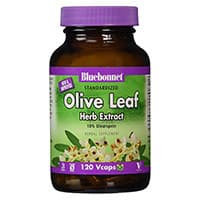
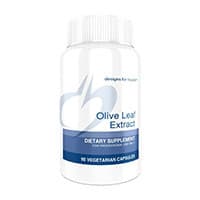
What olive leaf extract supplements are (and what “oleuropein” means)
Olive leaf supplements are usually standardized extracts from the leaves of the olive tree (Olea europaea), not the same thing as drizzling extra-virgin olive oil on salad—though both belong to the same Mediterranean family story. In capsules and tablets, brands often highlight oleuropein (and sometimes related polyphenols) because those compounds are convenient markers for extract strength and batch consistency.
Marketing frequently bundles olive leaf into “immune support,” “antioxidant defense,” and cardiovascular-adjacent positioning. Human evidence is mixed across those use cases, which is exactly why shopping should focus on transparent standardization, realistic expectations, and medication safety rather than headline promises.
This guide is educational, not medical advice. If you take blood pressure medications, blood thinners, diabetes drugs, or have complex cardiovascular conditions, talk with a clinician or pharmacist before adding olive leaf—especially if you are trying to “optimize” several supplements at once.
How to use this guide
The shortlist is your filter for product quality: honest oleuropein disclosure, credible manufacturing, and brands that do not hide weak extracts inside proprietary blends. The body below helps you match olive leaf to your actual intent—immune-season support versus metabolic-cardiovascular curiosity—and run a trial you can interpret without changing ten variables overnight.
If you are comparing botanical “defense” lanes, oil of oregano is a different chemistry and tolerance profile (essential oils and GI irritation risks deserve extra caution). If you are thinking about vascular-adjacent staples with a long supplement tradition, garlic is a common comparison point for label-reading habits and interaction conversations. If your shopping journey is more metabolic (glucose and cardiometabolic stacks), you may also be weighing berberine—a different active with different monitoring rules, but a useful contrast for how “one hero polyphenol/alkaloid” categories get marketed.
Who olive leaf is often a fit for (and who should get clinician input first)
Often a reasonable fit when
- You want a structured trial with clear oleuropein per serving and stable lifestyle habits.
- You are not stacking multiple blood-pressure-affecting supplements without supervision.
- You can track tolerance (GI, dizziness) and stop early if symptoms feel “off.”
Usually a poor DIY fit when
- You have hypotension symptoms, syncope history, or aggressive antihypertensive regimens.
- You take warfarin or antiplatelet stacks and have not reviewed herb additions.
- You are using supplements to postpone evaluation of chest pain, severe hypertension, or persistent infections.
What to look for in an olive leaf supplement
Oleuropein disclosure (and what to do when it is missing)
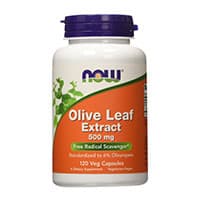
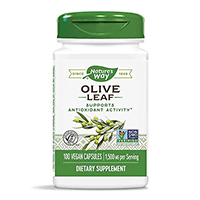
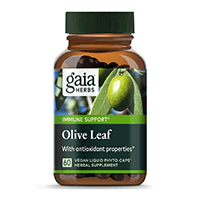
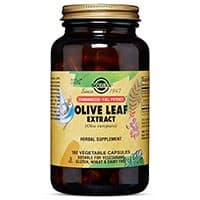
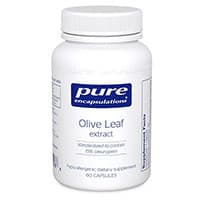
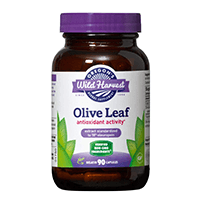
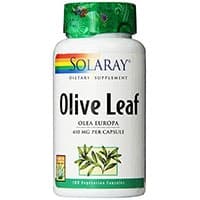
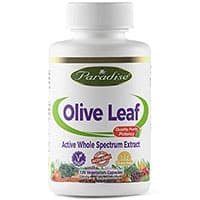
Prefer labels that state oleuropein content per serving—or at minimum a clear extract ratio with enough detail to compare apples to apples. If the label only says “olive leaf extract” with a big milligram number and no standardization story, assume you cannot compare potency across brands.
Standalone extract vs kitchen-sink immune blends
Blends are not automatically bad, but they make troubleshooting harder. If your first goal is to learn whether you tolerate olive leaf, simpler formulas usually produce clearer feedback than five-in-one “shield” products.
Dose timing and GI tolerance
Some users take olive leaf with food to reduce stomach upset. If reflux is already an issue, timing and format (capsule vs tablet coating quality) can matter as much as the milligrams.
Quality testing that means something
Look for identity and contaminant testing language that names a scope or program, not decorative “lab tested” badges. Polyphenol extracts still deserve the same manufacturing seriousness as any other category.
Compare two olive leaf labels in 60 seconds
- Step 1: Oleuropein mg (or credible standardization) per serving?
- Step 2: Servings per day and monthly cost at your intended use?
- Step 3: Hidden blends where olive leaf dose is unknown?
- Step 4: Fillers, allergens, and tablet additives you avoid?
- Step 5: Contraindication language that acknowledges BP/meds—not “100% safe” vibes?
Common mistakes that waste money (or muddy your results)
- Buying the highest milligram label without standardization context.
- Starting three new cardiovascular-adjacent supplements the same week and blaming one ingredient.
- Confusing olive leaf with olive oil softgels (different products, different goals).
- Using “immune season” stacks to avoid flu vaccination conversations with your clinician (supplements are not substitutes for indicated prevention).
- Ignoring lightheadedness when already on antihypertensives.
What to monitor in the first 2–4 weeks
If medically appropriate, track morning/daily blood pressure if you have a home cuff and a reason to monitor, dizziness on standing, headache, GI upset, sleep changes, and any unusual bruising or bleeding signs if you are on anticoagulants. Stop and seek guidance for fainting, chest pain, severe shortness of breath, neurologic symptoms, or persistent vomiting.
FAQs
What is olive leaf used for?
Common marketing themes include antioxidant support, immune-season routines, and cardiovascular wellness framing. Evidence quality varies by outcome and population, so treat personal trials as modest experiments, not guaranteed upgrades.
Does olive leaf lower blood pressure?
Some human research has explored blood pressure effects, but results are not uniform and individual responses differ. If you have hypertension or take BP medications, this is a clinician-guided topic—not a self-titration game.
Can olive leaf interact with medications?
Interaction risk is most concerning alongside drugs where small pressure changes, bleeding risk, or glucose shifts matter. A pharmacist review with your exact medication list is the practical safety step.
How long should I trial one product?
If your clinician agrees, use one transparent product for 2–4 weeks with stable caffeine, alcohol, sleep, and exercise habits before judging. Brand-hopping weekly creates noisy, useless self-experiments.
Is olive leaf the same as hydroxytyrosol products?
They can overlap in the polyphenol family conversation, but labels and goals differ. Buy based on what the product actually standardizes, not based on general “Mediterranean diet molecule” buzzwords.
Can I take olive leaf year-round?
Some people do, but long-term use should match your goal and medical context—especially if you stack multiple supplements that affect blood pressure, glucose, or bleeding risk.
How we shortlist products on this page
We reward label honesty (real oleuropein disclosure), manufacturing credibility, and conservative claims that match the evidence landscape. For how we evaluate products across the site, read our methodology.
Bottom line
Olive leaf extract can be a reasonable option for adults who want a polyphenol-forward botanical with clear standardization and a cautious approach to stacking. The best purchases are usually boring: transparent potency, simple formulas for first trials, and medical input when blood pressure, bleeding risk, or glucose medications are in play.
If symptoms are urgent or severe, treat that as a medical priority—not something to “balance” with another capsule.