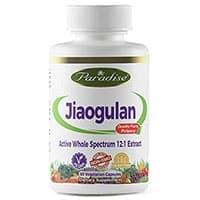
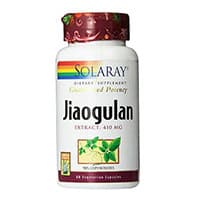
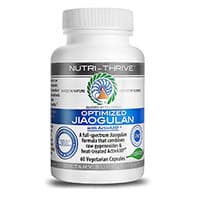
Why people shop jiaogulan supplements
Jiaogulan (Gynostemma pentaphyllum) is a climbing herb used historically as a tea plant and sold today as capsules, powders, and concentrated extracts—often marketed toward people seeking stress resilience, stamina, and “adaptogenic” daily support. Retail copy sometimes nicknames it “southern ginseng,” which is useful as a flavor cue and dangerous as a substitute for reading the supplement facts: similar cultural framing does not mean identical chemistry or identical safety profile for you.
This guide is educational, not medical advice. If you take medications for blood pressure, blood sugar, blood thinning, or immune modulation—or if you are pregnant, breastfeeding, or planning surgery—discuss concentrated jiaogulan extracts with a qualified clinician before making them a daily habit.
Below the shortlist, we cover tea vs. extracts, gypenoside standardization, realistic expectations, and common mistakes. For how we evaluate products in ranked guides, see our methodology.
How to use this guide
Use the ranked list as a transparency-first filter: jiaogulan products vary from loose-leaf-style botanicals to standardized extracts in capsules. Decide whether you want a tea ritual (hydration, taste, gentler daily exposure) or a measured extract routine (more predictable milligrams, higher responsibility to read interactions). Those are different intents—even when the Latin name matches.
Readers frequently compare adaptogen-adjacent botanicals with overlapping shopper journeys. If you are evaluating fatigue-and-stress herbs from different traditions, rhodiola supplements cover a stimulating-leaning adaptogen with different timing culture. For a widely used Ayurvedic option with distinct night-day considerations, see ashwagandha supplements. If your comparison point is true ginseng roots and standardized ginsenoside language, ginseng supplements help separate Panax products from gynostemma—similar aisle, different plants.
What to look for
Whole herb vs. extract—and what “gypenosides” claims should show
Many labels reference gypenosides (saponins) as marker compounds. Useful shopping means translating marketing into numbers: milligrams of extract per serving and, when claimed, standardization that you can compare across bottles. If the front label is loud but the facts panel is a proprietary fog, keep shopping.
Tea, powder, and capsule tradeoffs
Tea can be pleasant and flexible; extracts can be easier to dose consistently. Bitterness varies by processing and concentration—palatability drives adherence. If you hate the taste, you will not take it, regardless of theoretical potency.
Organic sourcing and identity testing
Botanical adulteration is an industry-wide issue. Organic certification is one signal; identity testing and reputable manufacturing detail are others—especially when you buy concentrated extracts rather than whole leaf you can recognize.
Stacking with other adaptogens and stimulants
“Adaptogen stacks” can duplicate mechanisms or push sleep later than you intended—especially if you also run high caffeine. Introduce one major variable at a time so you can attribute effects honestly.
Who should be especially cautious
- Anticoagulants and bleeding disorders: clinician guidance matters—do not freestyle.
- Immunosuppressive therapy: botanicals marketed for “immune support” can be the wrong framing for some patients—ask your specialist.
- Hypotension or antihypertensive drugs: additive blood pressure effects are plausible in sensitive people—monitor with medical oversight.
- Diabetes medications: glucose effects can be unpredictable—professional supervision beats guesswork.
Mistakes to avoid
- Buying “jiaogulan” without species clarity. Confirm Gynostemma pentaphyllum on the label in language you trust.
- Expecting stimulant-like energy from every adaptogen. Subjective effects vary; some people feel calmer rather than wired.
- Rotating five herbs weekly. If your routine is chaos, your conclusions will be chaos.
- Ignoring sleep debt. No botanical fixes chronic under-recovery.
FAQs
What is jiaogulan?
Jiaogulan is a botanical supplement ingredient derived from Gynostemma pentaphyllum, commonly sold as tea material or extracts. It is not an essential vitamin; it is an optional herbal product taken for personal wellness goals.
Is jiaogulan the same as Panax ginseng?
No—different plants, different standardization language, different typical use patterns. Nicknames are not interchangeability.
When should I take it?
Follow the product label unless your clinician advises otherwise. Morning vs. evening tolerance differs by person; track sleep if you dose late.
What side effects are commonly discussed?
GI upset, nausea, headache, dizziness, and sleep disruption appear in anecdotal reports—responses vary widely. Stop and seek medical advice for severe symptoms, allergic reactions, fainting, or chest pain.
Can athletes use jiaogulan?
Some active people explore adaptogens around heavy training blocks. If you compete under anti-doping rules, treat supplements as a documentation problem until your governing body’s guidance is satisfied—this guide cannot certify eligibility.
How long should I trial a transparent product?
Stress and energy signals are noisy. If you and your clinician agree on a trial, keep servings stable for several weeks while holding caffeine, sleep, and training volume as constant as practical—then reassess.
How we shortlist products
Our rankings reward clear botanical identity, credible standardization when claimed, fair value for disclosed extract content, and practical fit—tea lovers versus capsule minimalists. Rankings are editorial guidance, not medical advice. For the full framework, read the methodology page.
Bottom line
Jiaogulan supplements can be a coherent choice if you want a gynostemma product with a distinct saponin story and a tea-culture heritage—but “adaptogen” is not a safety guarantee. Prioritize label clarity, respect medication interactions, and treat subjective benefits as something you verify with consistent use—not with one dramatic weekend.
Use the shortlist to narrow credible candidates, then choose based on taste tolerance, extract disclosure, and whether you truly want a daily tea habit or a capsule routine you can measure.