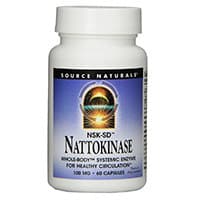
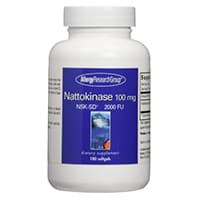
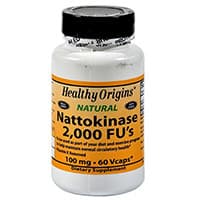
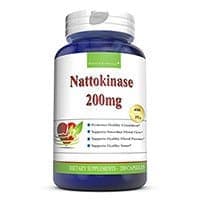
Who this nattokinase guide is for
Nattokinase is an enzyme supplement ingredient tied to traditional Japanese natto and modern “systemic enzyme” shopping. People compare these products when they want a label-forward option in the enzyme category—but the category is also easy to shop poorly because activity units, serving design, and quality signals vary widely between brands.
This guide is for adults comparing nattokinase supplements with a practical buyer mindset. The ranked list above is your shortlist; the sections below help you evaluate activity labeling (when disclosed), serving burden, blend transparency, and monthly value—without treating marketing language as a substitute for supplement facts.
Safety first: nattokinase is not appropriate for everyone. If you take blood thinners or antiplatelet drugs, have a bleeding disorder, are scheduled for surgery or procedures, are pregnant or breastfeeding, or have complex cardiovascular or clotting history, do not self-start—get individualized medical guidance. Supplements are not substitutes for emergency care or prescribed therapy.
How to use this page (shortlist + enzyme-label literacy)
Use a two-step workflow. First, pick 2-3 finalists from the ranked products above based on format, price, and initial label clarity. Second, compare those finalists using the supplement facts panel: suggested serving, number of capsules per day, and whether the label helps you understand what you are buying beyond buzzwords.
The ranking block reflects our site’s structured data and editorial review approach; this article does not re-rank the list in prose. For transparency on how ranking information is presented across Top10Supps, see our methodology page.
Because nattokinase is often cross-shopped with other proteolytic or systemic enzyme products, compare label discipline across categories. Use serrapeptase supplements and bromelain supplements as parallel references for how brands either disclose activity and serving design—or hide behind vague “potency” claims.
What to look for in a nattokinase supplement
1) Activity units and comparability (the core headache—and how to shop anyway)
Enzyme supplements often list activity measures, and brands may not always make cross-brand comparisons trivial. You do not need to become a unit encyclopedia to shop well—you need to ask whether a product gives you enough structured information to compare two finalists at a similar price point and to follow directions consistently.
If a label is heavy on storytelling and light on measurable detail, treat that as a quality signal problem.
2) Milligrams per serving versus activity: read both lanes when present
Some labels emphasize milligrams of material; others emphasize enzyme activity. Practical buying means understanding what the label is actually claiming per serving and what daily intake the brand expects. If you cannot reconstruct “per day” intake in a minute, keep looking.
3) Single-ingredient nattokinase vs blends
Some products keep nattokinase as the star ingredient. Others bundle additional enzymes or supportive ingredients. Blends can be fine when each meaningful ingredient is clearly dosed. If the formula hides actives in proprietary matrices, you lose the ability to evaluate tolerance, value, and overlap with other products.
4) Stack overlap: enzymes, omega-3s, and “blood thinning” shopping myths
Buyers sometimes stack multiple products that affect bleeding risk or procedure planning. That is a medical coordination issue, not a forum stacking contest. If you take aspirin, anticoagulants, antiplatelet agents, or have upcoming surgery, your supplement list belongs in a conversation with a clinician—not in a shopping cart optimization spreadsheet.
For antioxidant and polyphenol categories that are often bought in parallel (different intent, same need for label clarity), compare habits using quercetin supplements as an example of how to evaluate transparent dosing versus marketing blends—without assuming products are interchangeable.
5) Capsule burden, timing, and adherence
Enzyme routines fail when daily use is inconvenient. Check capsules per day, whether empty-stomach timing is suggested, and whether that fits your real schedule. A strict protocol you abandon after a week is not a win.
6) Quality signals you can actually verify
Look for manufacturing transparency cues you trust: clear allergen statements, consistent lot-to-lot labeling philosophy, and straightforward supplement facts. None of this guarantees outcomes, but it increases the odds you are buying a serious product rather than a mystery capsule.
7) Cost per month at realistic intake
Calculate monthly cost using servings per container and your intended daily protocol—not the shelf price alone.
Common mistakes to avoid
- Treating enzyme supplements like “natural” and therefore risk-free.
- Ignoring surgery and medication timing concerns.
- Stacking multiple enzyme products without a reason.
- Buying based on activity hype without daily-use clarity.
- Switching brands weekly—tolerance and adherence need time to evaluate.
FAQs
What is nattokinase used for in supplements?
Brand positioning varies. Your safest approach is label transparency, realistic serving design, and clinician guidance when medical factors exist.
Is nattokinase the same as serrapeptase or bromelain?
No—different enzyme categories with different labeling norms. Compare each product on its own merits.
Can I take nattokinase with fish oil or aspirin?
That is a medical interaction question for your clinician or pharmacist—especially if you take anticoagulants, antiplatelet drugs, or have bleeding risk.
Should nattokinase be taken on an empty stomach?
Follow the product label and your clinician’s guidance. Practical adherence matters most.
How long should I trial one product?
Give one formula enough consistent use to judge tolerability and routine fit—unless you have adverse symptoms, in which case stop and seek guidance.
What symptoms should make me stop immediately?
Unusual bleeding, black stools, severe headache, neurological symptoms, severe abdominal pain, allergic reactions, or anything that feels like an emergency warrants urgent medical evaluation.
How we shortlist products
Our shortlist is built from structured product data and editorial review criteria focused on transparency, practical usability, and value. Rankings can change as formulations and availability change.
Bottom line
The best nattokinase supplement is usually the one with the clearest serving and activity disclosure you can understand, a daily protocol you can maintain, and a monthly cost that makes sense after real dose math—plus medical clearance when risk factors exist.
Do not shop this category for drama. Shop it for label clarity, conservative stack design, and professional oversight when anything touches clotting, procedures, or prescriptions.