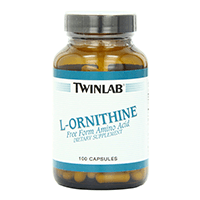
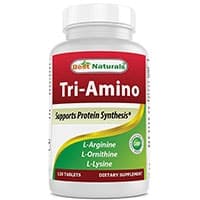
Who this ornithine guide is for
L-ornithine is an amino acid that shows up in supplements aimed at sleep-support shopping, exercise recovery routines, and nitric oxide–adjacent stacks—depending on the brand’s positioning and the exact formula (free ornithine versus ornithine bound as ornithine alpha-ketoglutarate or paired with other aminos). If you are comparing products, the real challenge is not finding “ornithine” on a label; it is finding transparent milligram dosing, a realistic daily serving, and a stack that does not accidentally duplicate five other amino products you already take.
This guide is for adults comparing ornithine supplements with a practical, label-first mindset. The ranked list above is your shortlist; the sections below help you evaluate milligrams per serving, capsule burden, combo formulas, tolerance, and monthly value.
Educational only—not medical advice. If you have liver disease, disorders of the urea cycle, take medications, are pregnant or breastfeeding, or have complex medical conditions, involve a clinician before starting isolated amino acid supplements or changing your stack.
How to use this page (shortlist + serving math)
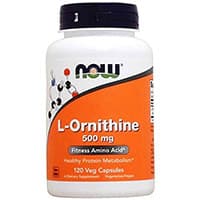
Use a two-step workflow. First, pick 2-3 finalists from the ranked products above based on format, price, and initial label clarity. Second, compare those finalists using the supplement facts panel: ornithine milligrams per serving, servings per day, and whether the product is standalone ornithine or a multi-amino blend.
The ranking block reflects our site’s structured data and editorial review approach; this article does not re-rank the list in prose. For transparency on how ranking information is presented across Top10Supps, see our methodology page.
Because ornithine is frequently cross-shopped with other amino acids involved in arginine–citrulline–nitric oxide style conversations, compare label discipline consistently. If you would demand clear milligrams on citrulline, demand it here too—start with citrulline supplements as a reference category for how serious brands communicate per-serving amounts and daily burden.
What to look for in an ornithine supplement
1) Milligrams per serving and “free form” clarity
Begin with ornithine mg per serving from the supplement facts panel—not the front label. Then check whether the label specifies the form (for example, L-ornithine HCl or ornithine alpha-ketoglutarate) because bonded forms can change how you interpret total ornithine versus total salt weight, depending on how the brand labels it.
If the label makes it hard to understand what you are swallowing each day, move on. The best purchases are usually boring: clear mg, clear servings, clear monthly math.
2) Standalone ornithine vs blends (ornithine + arginine, “GH” stacks, etc.)
Single-ingredient ornithine is often easier to evaluate because you can directly compare mg per day across brands. Blends can be useful when each amino is clearly dosed and aligned with your goal—but blends that hide amounts behind proprietary matrices are a poor deal for shoppers who want predictable dosing.
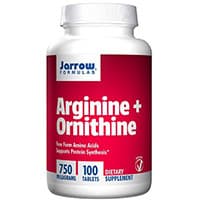
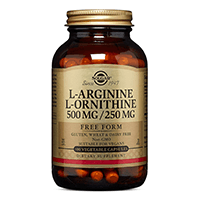
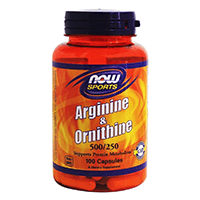
If you are comparing ornithine alongside arginine-style products, use arginine supplements as a separate lane for label norms and serving design. The point is not to stack everything—it is to avoid buying three overlapping products without knowing which one is doing what.
3) Capsule burden and adherence (the hidden failure mode)
Amino acid products often fail for a boring reason: too many capsules. Before you buy, calculate capsules per day at your intended dose and ask whether you will actually do that for weeks.
If a brand requires a high pill count to reach a “popular” online dose you read about somewhere, you may be buying a plan you will not follow. A lower daily target you can sustain usually beats a theoretical optimum you abandon.
4) Protein intake context: are you already maxed out on aminos?
If you already eat high protein or use protein powders and amino-heavy intra-workout products, adding isolated ornithine may or may not fit your total intake picture. This is not fear-mongering—it is stack hygiene: redundant amino products add cost and complexity without clarifying outcomes.
For another amino category where buyers often confront “do I need this on top of protein?” questions, compare habits using lysine supplements as a parallel example of how to read mg per serving and keep goals distinct.
5) Timing, sleep routines, and training routines (practical, not magical)
Some products suggest evening use; others may differ. Follow label directions and your clinician’s guidance. Practical adherence matters more than chasing a perfect clock-time on day one.
If your interest is sleep support, treat sleep fundamentals as primary: consistent schedule, light exposure, caffeine cutoffs, and stress load. Supplements can be adjuncts, not replacements for the basics.
6) Tolerance and side effects: ramp intelligently
Some people tolerate ornithine well; others notice GI discomfort when ramping too fast or when combining multiple new products at once. If you are new to the category, conservative ramping and fewer simultaneous changes usually produce clearer feedback.
If you experience persistent vomiting, severe abdominal pain, fainting, allergic symptoms, or anything alarming, stop and seek medical care.
7) Cost per month at realistic intake
Calculate monthly cost using:
- ornithine mg per day you intend to use
- capsules or tablets per day
- servings per container
Two bottles at the same shelf price can imply very different monthly costs once capsule math is included.
Common mistakes to avoid
- Buying amino blends without clear mg amounts.
- Stacking multiple overlapping amino products without a written stack map.
- Ignoring capsule burden.
- Changing diet, caffeine, sleep, and supplements all at once.
- Ignoring medical context—especially liver or urea-cycle concerns.
FAQs
What is ornithine used for in supplements?
Brand positioning varies: some products emphasize exercise recovery, others emphasize sleep-adjacent routines, and some appear in nitric oxide–adjacent stacks depending on formulation. Evaluate based on label clarity and your clinician’s guidance when medical factors exist.
Is ornithine the same as ornithine alpha-ketoglutarate (OKG)?
Not necessarily. Different forms can have different labeling conventions. Read the supplement facts panel and compare apples to apples as best you can.
Can I take ornithine with arginine or citrulline?
Some people combine amino acids for training stacks, but combinations should be intentional—especially if you take medications or have cardiovascular concerns. Ask a clinician when unsure.
Should ornithine be taken with food?
Follow the product label and your clinician’s guidance. Consistency matters more than perfect timing on day one.
How long should I trial one ornithine product?
Give one formula enough consistent use to judge tolerability and adherence. Rapid switching usually creates noise, not clarity.
Who should be extra cautious?
If you are pregnant, breastfeeding, take prescriptions, or have liver or metabolic conditions, treat amino acid supplementation as clinician-guided—not forum-guided.
How we shortlist products
Our shortlist is built from structured product data and editorial review criteria focused on transparency, practical usability, and value. Rankings can change as formulations and availability change.
Bottom line
The best ornithine supplement is usually the one with clear milligram labeling, a realistic daily serving you can maintain, and a monthly cost that still makes sense after dose-adjusted math—without redundant overlap in the rest of your amino acid stack.
Prioritize label clarity, ramp conservatively, and involve a clinician when medical risk factors or prescriptions are in play.