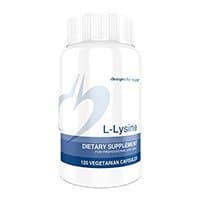
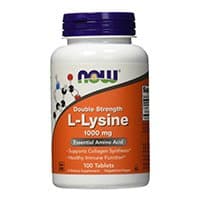
What lysine supplements are (and why people actually buy them)
L-Lysine is an essential amino acid—meaning your body cannot synthesize it from scratch and you must obtain it from food or supplements. Most lysine products are simple L-lysine HCl capsules or tablets, but you will also see it inside collagen stacks, immune blends, and “cold sore support” formulas that promise faster recovery from herpes labialis outbreaks (the common lip blisters many people call cold sores).
The evidence behind lysine for cold sores is mixed: some people swear by it; some trials are suggestive; others are underwhelming. That uncertainty is not an argument against trying it—it is an argument for transparent dosing, realistic timelines, and not skipping medical care when lesions are severe, frequent, or atypical.
This guide is educational, not medical advice. If you have kidney disease, are on protein-restricted diets, are pregnant or breastfeeding, or have complex immune conditions, discuss lysine dosing with a clinician—especially if you take multiple amino acid supplements.
How to use this guide
The shortlist helps you filter for honest milligram dosing, clean ingredient lists, credible manufacturing, and brands that do not hide lysine inside proprietary matrices. The body below helps you choose a practical serving size, avoid redundant stacking across products, and interpret results without changing five variables during the same outbreak week.
If you are comparing amino acid stacks, arginine is the frequent cross-shop because internet lore discusses lysine-to-arginine balance—treat that as a hypothesis, not a law, and avoid turning supplement shopping into biochemistry cosplay without medical context. If your interest is immune-season support beyond amino acids, zinc is a different mineral lane people often pair with lip health routines (lozenge versus capsule pitfalls differ by format). For antioxidant overlap people sometimes stack with lysine products, vitamin C is useful to sanity-check total daily intake across multis and powders.
What to look for in a lysine supplement
L-lysine HCl milligrams per serving (elemental vs salt clarity)
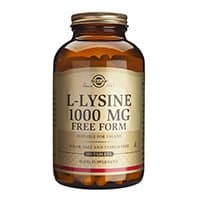
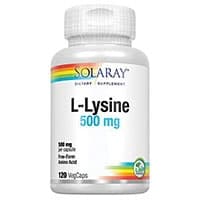
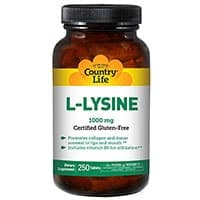
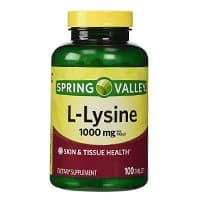
Look for clear mg per tablet/capsule and whether the label specifies lysine from lysine HCl. If you cannot compute daily milligrams quickly, you cannot compare brands or avoid double-dipping across blends.
Standalone lysine vs immune or collagen mega-blends
Blends can be fine, but they make it harder to know your true lysine dose and harder to troubleshoot side effects. For a first trial, simpler formulas usually produce clearer feedback.
Tablet size and adherence reality
High-dose lysine sometimes means large tablets. If you will not swallow them during an outbreak, the “best” product on paper fails in real life.
Quality testing that means something
Amino acids are chemistry-simple but still deserve credible manufacturing and contaminant screening—not decorative badges.
Who lysine is often a fit for (and who should be cautious)
Often a reasonable fit when
- You want a structured trial for recurrent cold sores with clinician awareness if outbreaks are severe.
- You track protein intake globally so you do not accidentally mega-stack amino acids across many products.
- You can separate supplement trials from new skincare, new lip balms, and new stress spikes all happening at once.
Use extra caution when
- Kidney impairment or nephrology-directed protein restrictions.
- Frequent severe oral lesions, eye involvement, widespread infection signs, or immunosuppression—medical evaluation first.
Compare two lysine labels in 60 seconds
- Step 1: mg L-lysine (from HCl) per serving stated plainly?
- Step 2: servings/day and monthly cost at your intended dose?
- Step 3: hidden proprietary blends?
- Step 4: tablet size you can actually swallow?
- Step 5: overlap with collagen/amino products you already take?
Common mistakes that waste money
- Buying tiny doses and expecting clinical drama.
- Stacking lysine + collagen + BCAAs + protein powder without noticing total amino acid load.
- Starting lysine mid-outbreak while also changing five habits, then misreading cause and effect.
- Using supplements to avoid antiviral prescriptions when outbreaks are disabling.
- Ignoring GI upset instead of splitting doses or adjusting timing.
What to monitor across the first 8–12 weeks (or per outbreak pattern)
If your clinician agrees, track outbreak frequency, prodrome timing, healing duration, lip irritation, GI tolerance, and headache. Stop for severe allergic symptoms, persistent vomiting, or neurologic symptoms—and seek urgent care when appropriate.
FAQs
Does lysine prevent cold sores?
Some people report fewer outbreaks; trials are inconsistent. A realistic stance is “worth a cautious trial for some users,” not guaranteed prevention.
What dose is typical?
Internet dosing varies widely; your safe and sensible dose should be individualized—especially if you have kidney issues or take many medications.
Should I avoid arginine if I take lysine?
Popular online advice is not universal medical truth. If you have a specific condition plan from a clinician, follow that plan rather than forum chemistry.
Can lysine upset my stomach?
Some users report GI discomfort, especially at higher doses or on an empty stomach. Food pairing and divided doses help some people.
Is lysine the same as collagen?
No. Collagen contains amino acids including lysine, but collagen products are not a reliable way to dose lysine precisely unless the label quantifies it.
Is lysine safe long term?
Many people use it intermittently around triggers; long-term high-dose use should involve clinician input if you have kidney disease or complex medical conditions.
How we shortlist products on this page
We prioritize transparent lysine dosing, manufacturing credibility, clean formulas, and claims that stay inside plausible evidence boundaries for recurrent cold sores. For how we evaluate products across the site, read our methodology.
Bottom line
Lysine supplements can be a reasonable option for some adults seeking a disciplined trial for recurrent cold sores—when dosing is clear and expectations stay grounded. The best buys are usually simple L-lysine HCl products from quality-forward brands, not mystery immune stacks where nobody knows the actual lysine fraction.
If outbreaks are frequent, severe, or changing in character, prioritize medical evaluation and clinician-directed antiviral strategies first—then decide whether lysine still belongs in the plan.