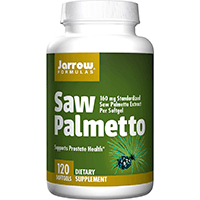
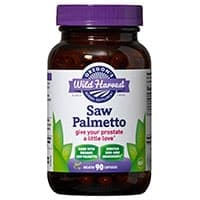
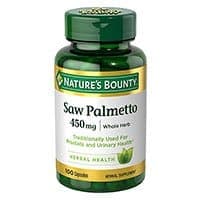
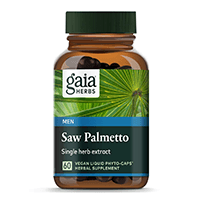
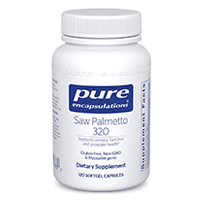
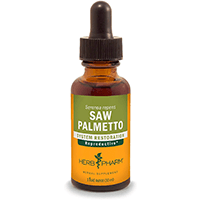
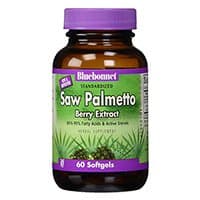
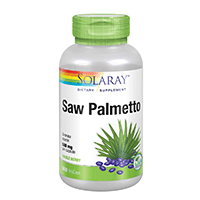
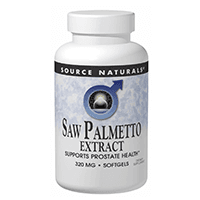
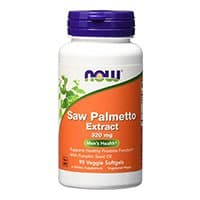
What saw palmetto supplements are (and what problem they are supposed to solve)
Saw palmetto is a palm-derived extract, usually from the berry of Serenoa repens, sold for urinary symptoms associated with benign prostate enlargement (BPH) in men—think weaker stream, nighttime urination, urgency—plus a lot of adjacent “men’s health” marketing that can blur the line between symptom support and fantasy replacement of medical care.
The science story is not as clean as early hype suggested: some trials show modest urinary symptom improvements for certain extracts and populations; others do not. That mixed picture is exactly why label quality matters: lipophilic berry extracts vary by extraction and standardization, and two bottles can both say “saw palmetto” while delivering very different fatty-acid profiles.
This guide is educational, not medical advice. If you have painful urination, blood in urine, fever, acute retention, abnormal PSA, or rapidly worsening symptoms, seek medical evaluation—do not self-treat with supplements. If you take anticoagulants, hormone therapies, or have prostate cancer history, discuss saw palmetto with a urologist or primary clinician before starting.
How to use this guide
The shortlist helps you filter for transparent extract disclosure (often discussed as fatty acids percentage), credible manufacturing, and brands that do not hide weak saw palmetto inside giant “prostate complex” matrices. The body below helps you compare products responsibly and understand common stacking patterns in urinary health categories.
If you are browsing prostate-adjacent botanicals, pygeum (African cherry bark extracts) is a frequent shelf neighbor with its own extract traditions. Nettle root is another common comparison point because combination formulas often pair nettle root extracts with saw palmetto for LUTS marketing—useful to know even if you choose a standalone product. If your shopping list includes mineral angles sometimes discussed alongside male urologic wellness, zinc is a separate lane with clearer deficiency logic than any single herbal extract.
What to look for in a saw palmetto supplement
Lipophilic extract disclosure and fatty acid percentage (when meaningful)
Many serious products are standardized to total fatty acids (for example, a percentage of fatty acids in the extract). The goal is not to chase the highest number on the shelf—it is to buy a label where the standardization maps to per-serving milligrams you can compare.
Extract mg per serving versus “raw berry equivalent” fairy tales
Prefer plain extract milligrams per serving. “Equivalent to X grams of berries” language is only helpful if it still lets you compute what you swallow daily.
Standalone saw palmetto vs prostate blends
Blends with beta-sitosterol mixes, nettle, pygeum, zinc, selenium, and more are common. They can be convenient, but they make attribution and interaction risk harder. If your goal is to evaluate saw palmetto itself, simpler formulas usually produce clearer feedback.
Softgel vs capsule and oil extract handling
Lipid-rich extracts are often sold as softgels. Choose a format you can take consistently; adherence beats “optimal” chemistry you skip half the time.
Manufacturing and contaminant seriousness
Prefer identity testing and sensible contaminant screening—not decorative “lab tested” badges.
Who saw palmetto may be appropriate for (and who should not DIY)
Often a reasonable fit when
- You have clinician agreement to trial a conservative, well-labeled extract for mild LUTS symptoms.
- You can track urinary frequency, stream strength, nighttime urination, and side effects honestly.
- You will not use supplements to postpone cancer screening or urology evaluation when red flags exist.
Usually a poor DIY fit when
- You have acute urinary retention, infection signs, hematuria, or severe pain.
- You have prostate cancer, elevated PSA under evaluation, or complex hormone therapy without urology input.
- You take anticoagulants and stack multiple bleeding-risk supplements without pharmacist review.
Compare two saw palmetto labels in 60 seconds
- Step 1: Serenoa repens extract stated?
- Step 2: mg extract per serving and servings/day?
- Step 3: fatty acid standardization tied to serving math?
- Step 4: proprietary blends hiding dose?
- Step 5: monthly cost at your intended dose?
Common mistakes that waste money
- Buying “prostate support” blends without knowing the saw palmetto fraction.
- Expecting surgery-level symptom changes from an OTC extract.
- Ignoring urinary infection symptoms as “just prostate age.”
- Stopping prescribed therapy because a bottle promised natural relief.
- Switching brands weekly and learning nothing useful.
What to monitor in the first 6–12 weeks
If your clinician agrees, track nighttime urination episodes, urgency, stream strength subjective scores, daytime frequency, and any GI upset or dizziness. Stop and seek care for acute retention, fever, flank pain, visible blood in urine, or rapidly worsening symptoms.
FAQs
Does saw palmetto shrink the prostate?
Marketing sometimes implies it; evidence for meaningful prostate volume changes is not consistent enough to treat supplements like prescribed BPH medications. Symptom support is the more realistic framing for some users.
Does saw palmetto lower PSA?
Do not use supplements to game PSA interpretation. If PSA testing is part of your care, follow your urologist’s instructions and disclose everything you take.
Can saw palmetto interact with blood thinners?
It is a reasonable pharmacist question if you take anticoagulants or antiplatelet medications, especially with polypharmacy.
Is saw palmetto safe with finasteride or dutasteride?
Combination decisions belong to your prescriber—not a ranking article.
Can women take saw palmetto?
It is not a typical women’s-health staple, but off-label marketing exists. Hormone-sensitive contexts deserve clinician input.
How long should I trial one product?
Urinary symptom trials often need multiple weeks. Use one transparent extract with stable habits before switching brands.
How we shortlist products on this page
We prioritize honest fatty-acid extract disclosure, manufacturing credibility, conservative medical framing, and claims that do not substitute for urology care. For how we evaluate products across the site, read our methodology.
Bottom line
Saw palmetto can be a reasonable trial for some men with mild urinary symptom goals when labels are transparent and medical red flags are absent. The best purchases are usually well-characterized lipophilic extracts—not mystery matrices priced like prescriptions.
If urination changes are sudden, painful, or accompanied by systemic symptoms, treat that as a medical evaluation priority first—then decide whether any herbal still belongs in the plan.