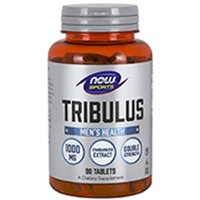
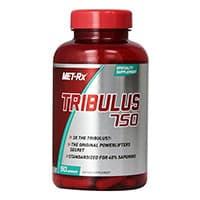
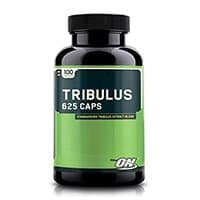
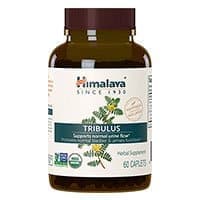
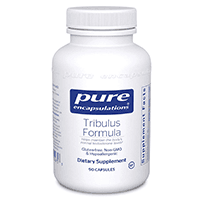
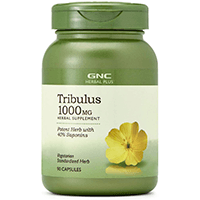
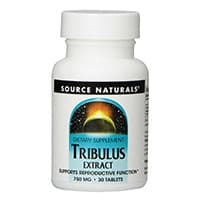
Why tribulus terrestris gets so much attention
Tribulus terrestris is one of the most marketed herbs in “test support,” libido, and sports-performance supplement categories. It shows up in standalone capsules and in crowded proprietary blends promising fast changes in strength, hormone status, or sexual performance. That marketing can make tribulus sound settled and predictable. In reality, outcomes are more nuanced, and quality differences between products matter.
The core issue for buyers is not whether tribulus is “good” or “bad,” but whether your expectations match the evidence and whether the label tells you enough to compare products honestly. Many people buy tribulus expecting pharmaceutical-level effects, then either overstack products or abandon useful routines because one supplement did not match exaggerated claims.
This guide is educational and not medical advice. If you have hormone-sensitive conditions, prostate concerns, liver or kidney disease, take blood pressure or blood sugar medications, use fertility treatments, or are pregnant/breastfeeding, speak with a qualified clinician before using tribulus supplements.
How to use this guide
The ranked shortlist helps you filter for product quality, label transparency, and practical value. The body below helps you decide if tribulus actually fits your goal: libido support, training motivation, or “test support” curiosity. It also helps you avoid the biggest category mistake—using tribulus as a shortcut while ignoring sleep, training quality, stress load, and baseline nutrition.
If you are comparing herbal “male vitality” lanes, it helps to contrast tribulus with adjacent categories like tongkat ali and maca, which are marketed for overlapping outcomes but have different evidence depth, tolerability patterns, and dosing traditions. If you are trying to optimize fundamentals that sit under hormone health, zinc is often a more concrete deficiency-related conversation than a broad herbal promise.
What tribulus can and cannot realistically do
What it may help with for some users
- Subjective libido support in selected populations.
- General vitality perception (energy/motivation) in people under high stress or poor recovery.
- A placebo-plus-routine effect where better adherence to training/sleep drives most improvement.
What is often overstated
- “Guaranteed testosterone boost” in healthy men with normal baseline labs.
- Rapid body recomposition without training/nutrition changes.
- Drug-like erectile outcomes from generic, non-standardized tribulus products.
In short: tribulus may be useful for some people, but it is not a replacement for core health and training behaviors, and it is not a hormone therapy substitute.
How to read a tribulus label in 60 seconds
- Plant identity: confirm Tribulus terrestris is clearly listed.
- Extract detail: look for extract ratio or standardization details instead of vague “herbal complex” language.
- Serving math: mg per serving and servings per day should be clear enough to calculate monthly intake and cost.
- Blend transparency: avoid products that hide tribulus in proprietary stacks where true dose is unknown.
- Testing/quality claims: meaningful third-party language is better than generic “lab tested” badges.
What to look for in a high-quality tribulus supplement
Clear extract standardization
Tribulus products are frequently marketed by “saponin percentage.” While this metric is not a perfect proxy for outcomes, it is still better than no standardization at all. Prefer products that explain what is standardized and how much you get per serving.
Simple formulas for first trials
If you are new to tribulus, standalone formulas are easier to evaluate than multi-ingredient test boosters. When six actives are bundled together, you cannot tell what helped or what caused side effects.
Dose practicality and adherence
A technically “good” formula still fails if dosing is unrealistic for your routine. Choose formats you can use consistently for a fair trial window. Two weeks of random dosing tells you very little.
Manufacturing and contaminant awareness
Herbal categories vary in sourcing and processing quality. Brands that disclose manufacturing standards and testing scope usually inspire more trust than brands that rely only on aggressive before/after marketing.
Who tribulus is for (and who should skip DIY use)
Potentially reasonable candidates
- Adults with clear expectations who want to trial a conservative, well-labeled herbal formula.
- Users focusing on libido/vitality as one part of a broader sleep-training-stress plan.
- People willing to track outcomes honestly and stop if no meaningful benefit appears.
Better to avoid unsupervised use
- Anyone expecting tribulus to fix clinically low testosterone without medical workup.
- People on complex medication regimens where blood pressure, glucose, or hormone pathways matter.
- Users with significant mood instability, severe fatigue, or sexual dysfunction needing diagnosis first.
Common mistakes that waste money
- Buying a “test booster” blend without knowing the tribulus dose.
- Switching brands every week and never running a stable trial.
- Ignoring sleep and alcohol intake while expecting hormone-friendly outcomes.
- Using tribulus to avoid lab work when symptoms are persistent or worsening.
- Chasing mega-doses based on forum anecdotes instead of tolerability and context.
What to monitor during a 3-6 week trial
If your clinician agrees a trial is appropriate, track practical outcomes: libido changes, training consistency, recovery quality, mood/irritability, sleep, GI tolerance, and blood pressure trends if relevant. Do not judge on one “great” or “bad” day. Look for consistent direction over several weeks.
Stop and seek guidance if you notice persistent headaches, dizziness, marked mood changes, palpitations, severe GI symptoms, or any unusual reaction when combined with medications.
FAQs
Does tribulus increase testosterone?
In healthy men with normal baseline testosterone, evidence for large increases is weak and inconsistent. Some users report subjective benefits (libido, vitality), but that is not the same as robust hormone elevation on labs. If hormone symptoms are significant, medical testing is more valuable than guessing from supplement claims.
How long does tribulus take to work?
Most people who notice anything report changes over a few weeks, not days. A fair self-trial usually means 3-6 weeks with stable training and sleep habits.
Can women use tribulus?
Some women do use tribulus products, often for libido or general vitality goals, but suitability depends on individual context, medications, reproductive plans, and hormone-sensitive conditions. Clinician input is important before use.
Can I stack tribulus with tongkat ali or maca?
Stacking is common, but adding multiple actives at once reduces your ability to evaluate each ingredient and can increase side-effect confusion. If you do stack, introduce one change at a time and monitor response carefully.
What side effects are possible?
Some users report GI upset, restlessness, headache, or mood-related effects. Side-effect patterns vary by dose, formula quality, and what else is being taken at the same time.
Is tribulus banned in sports?
Tribulus itself is generally not a standard anti-doping red flag, but contamination risks in poorly controlled supplements are real. Competitive athletes should choose products with strong third-party testing and consult their governing body resources.
How we shortlist products on this page
We prioritize transparent labels, practical dosing, manufacturing credibility, and claims that stay inside evidence boundaries. We do not reward hype language that promises drug-level outcomes from vague blends. For full criteria and how we evaluate products across categories, see our methodology.
Bottom line
Tribulus terrestris can be a reasonable trial for some adults seeking modest libido or vitality support, but it is frequently over-marketed. The best outcomes come from realistic expectations, clean labels, and consistent routine fundamentals—not from chasing the loudest “test booster” ad.
If symptoms are persistent, severe, or clearly hormonal, use tribulus only as an adjunct discussion point after proper medical evaluation, not as a substitute for diagnosis.