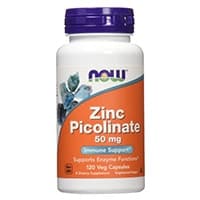
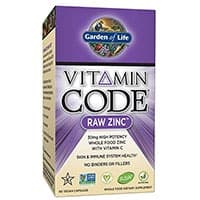
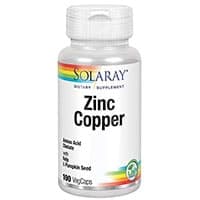
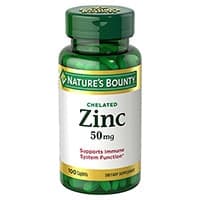
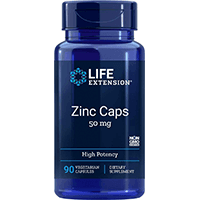
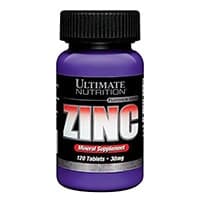
What zinc supplements are (elemental zinc, salt forms, and why “50 mg zinc” still needs translation)
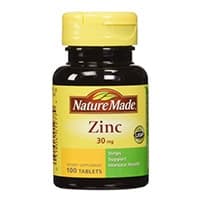
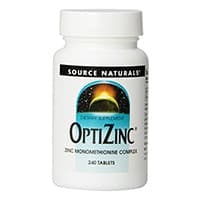
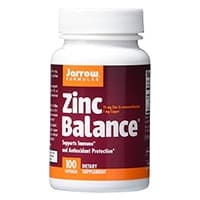
Zinc supplements deliver the mineral as a salt—commonly zinc picolinate, bisglycinate, citrate, gluconate, acetate, or oxide—and labels should translate that salt into elemental zinc (the actual zinc you care about for intake totals). Zinc participates in immune function, wound healing chemistry, taste perception, and countless enzymes; it is also easy to over-stack across multivitamins, lozenges, “immune” powders, and training formulas, and long-term high intake can disturb copper balance in susceptible people.
This guide is educational, not medical advice. If you take quinolone or tetracycline antibiotics, have copper deficiency risk, have Wilson disease or other copper disorders, have chronic kidney disease, or use high-dose zinc for months without medical supervision, review zinc with a clinician or pharmacist—minerals are not “safe because natural.”
How to use this guide
The shortlist favors clear elemental milligrams per serving, honest salt-form disclosure, conservative long-term dosing culture, credible third-party testing, and brands that do not sell zinc as a cold cure with certainty the trials do not support. The sections below help you total zinc across products, time zinc away from interacting medicines, and avoid lozenge habits that accidentally become chronic megadoses.
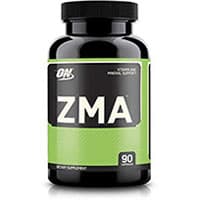
If you are buying zinc inside a training-night bundle, read ZMA supplements to see how zinc hides inside bedtime stacks with magnesium and B6—another reason “one extra zinc pill” is often accidental overdose math. If your supplement routine is already mineral-heavy, magnesium supplements is the parallel lane where form shopping and GI tolerance dominate—different mineral, same discipline: totals across the day matter. If marketing routes you toward immune stacks, vitamin C supplements is a frequent shelf neighbor where people combine nutrients without calculating interactions or whether they are duplicating a multivitamin.
What to look for on a zinc label
Elemental zinc milligrams, not mystery salt weight
If the panel does not make elemental zinc obvious, treat it as a shopping penalty.
Form wars: absorption debates versus price and tolerance
Some forms are marketed as gentler; oxide is often cheaper and debated for absorption context. Practical shopping is: pick a reputable brand with clear elemental dosing and personal GI tolerance.
Lozenges versus capsules: the compliance trap
Zinc lozenges can be useful short windows for some people, but chronic candy-ingestion habits can push totals into risky territory fast.
Copper context for long-term high zinc
If you megadose for months, copper status is not a meme—medical supervision matters.
Who zinc may be appropriate for (and who should be careful)
Often a reasonable fit when
- Diet is low in animal zinc sources and a clinician agrees a modest supplement helps.
- You track totals across multis, immune blends, and ZMA.
- You separate zinc from interacting antibiotics when prescribed.
Use extra caution when
- Copper deficiency risk, malabsorption syndromes, or competing mineral issues.
- Nasal zinc products linked historically to smell concerns—avoid that route; pills are not the same issue class but deserve seriousness.
- Pregnancy—dosing should be guided, not forum-derived.
Evidence expectations: colds, immunity, and acne culture
Some trial traditions exist around early cold windows and specific lozenge contexts, but effect sizes and replication are messy; retail zinc often sells certainty. A grounded stance is: short, conservative use with medical awareness, not a permanent immune shield.
Compare two zinc labels in 60 seconds
- Step 1: elemental zinc mg per serving stated?
- Step 2: salt form named?
- Step 3: your multi + immune powder totals computed?
- Step 4: third-party testing language?
- Step 5: instructions compatible with your antibiotic timing if applicable?
Common mistakes that waste money (or cause harm)
- Chronic high-dose zinc without copper awareness.
- Stacking zinc with every “immune” product during winter.
- Taking zinc with antibiotics against pharmacy instructions.
- Buying oxide blindly then complaining about nausea without trying timing or form changes.
- Replacing diet quality with mineral heroics.
What to monitor in the first 2–4 weeks
Track nausea, metallic taste, stomach upset, and unusual fatigue or neuropathy-type symptoms if totals creep high across products. If you develop progressive neurologic symptoms with chronic high zinc intake, stop and seek medical evaluation—copper deficiency is not a supplement trivia answer.
FAQs
Which zinc form is best?
Elemental dose + tolerance + quality often beat form tribalism; clinician guidance wins for special cases.
Can zinc cause nausea?
Yes—empty stomach dosing is a common culprit; food and dose reduction help many people.
Does zinc help colds?
Maybe sometimes in narrow contexts; it is not a guaranteed cure and timing matters more than influencer certainty.
Can zinc interfere with iron?
Mineral competition exists; separation timing matters for some regimens—especially with iron therapy.
How long should I trial one product?
If deficiency is not documented, short conservative trials beat months of megadosing—if symptoms worsen, medical evaluation beats brand rotation.
How we shortlist products on this page
We prioritize elemental transparency, conservative long-term framing, interaction awareness, and manufacturing credibility—especially because zinc is duplicated across categories. For how we evaluate products across the site, read our methodology.
Bottom line
Zinc is a high-leverage mineral when you actually need it—and an easy way to build accidental overload when every winter SKU adds more. The best bottle is clearly dosed, honestly labeled, and compatible with your real total intake across the supplement graveyard in your cabinet.
If copper deficiency symptoms or unexplained anemia patterns appear while supplementing minerals, labs and clinician review beat another immune powder.