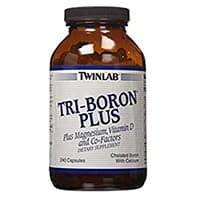
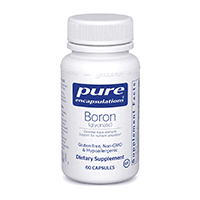
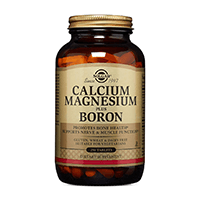
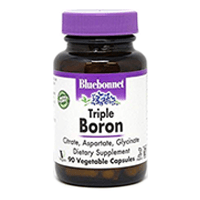
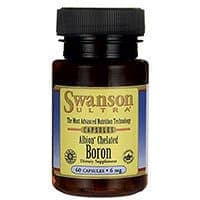
Why people shop boron supplements
Boron is a trace mineral involved in many normal biological processes and sold in tiny milligram doses as capsules or tablets—often marketed toward people interested in bone health, vitamin D metabolism, and hormone-adjacent “vitality” language in men’s wellness aisles. Retail copy can sound bigger than the evidence for any single bottle; your practical job is to buy a label with clear elemental boron per serving, conservative dosing, and realistic expectations—not a miracle micro-mineral.
This guide is educational, not medical advice. If you have kidney disease, hormone-sensitive conditions, take hormone therapies, or are pregnant or breastfeeding, discuss boron with a qualified clinician before daily use—especially if you already take multis, greens powders, and other trace-mineral stacks that can add up unexpectedly.
Below the shortlist, we cover forms (boron citrate, glycinate, aspartate, and similar salts), label math, stacking pitfalls, and FAQs. For how we evaluate products in ranked guides, see our methodology.
How to use this guide
Use the ranked list as a transparency-first filter: boron products should be almost boring—small milligrams, clear salt form, minimal proprietary mystery. Decide your intent—bone-adjacent nutrition support versus training-and-hormone curiosity—because those intents suggest different conversations with your clinician, even if the capsule looks the same.
Readers often compare trace minerals with fat-soluble “baseline” nutrients. If you are optimizing vitamin D intake and testing schedules with a clinician, our vitamin D supplements guide helps separate dosing norms from boron’s microgram/milligram world. For a mineral with broader muscle, sleep, and nervous-system purchase intent, see magnesium supplements—different doses, different tolerance profiles, easy to confuse in casual “stack” posts. If your shopping lane is botanical vitality rather than minerals, fenugreek supplements cover a different ingredient class with different interaction stories—useful contrast so you do not treat every “male wellness” bottle as the same mechanism.
What to look for
Elemental boron vs. compound weight
Labels may list boron aspartate, citrate, glycinate, or other salts. What matters for comparison is typically mg of elemental boron per serving (or an honest equivalent). If a brand only shouts the big salt weight without clarifying elemental content, comparison shopping is unreliable.
Conservative dosing and accidental duplication
Boron is needed in trace amounts; more is not automatically better. Scan your multivitamin, greens powder, and joint formulas for hidden boron lines before you add a standalone product.
One-ingredient vs. “test stacks”
Some products bundle boron with zinc, vitamin D, herbs, and other minerals. Blends can be convenient—or a way to hide weak boron content behind a long panel. If you want a clean trial, choose a minimalist boron product first.
Quality and manufacturing cues
Prefer brands with reputable manufacturing detail and contaminant testing language where available. Trace mineral categories still benefit from boring quality basics.
Who should be especially cautious
- Kidney impairment: mineral handling changes—medical guidance matters.
- Hormone-sensitive cancers and significant cancer histories: do not self-serve “hormone optimization” stacks.
- Polypharmacy: pharmacist review beats forum stacking.
Mistakes to avoid
- Mega-dosing trace minerals because they are small pills. Toxicity risk is dose-dependent; respect upper practical limits your clinician agrees with.
- Confusing boron with borax or industrial chemistry. Buy dietary supplements from reputable channels—not random chemical suppliers.
- Replacing medical evaluation of fatigue or low testosterone. Symptoms deserve labs and care—not mineral shopping alone.
- Ignoring GI symptoms. Nausea or upset can mean dose, form, or incompatibility—adjust with clinician help.
FAQs
What is boron used for in supplements?
Products typically position it for bone health support and general mineral adequacy narratives; some marketing leans hormone-adjacent. Supplements are not approved drugs for testosterone therapy or osteoporosis treatment.
How much boron should I take?
Follow the product label unless your clinician prescribes otherwise. Do not stack multiple boron-containing products without calculating total daily intake.
What side effects are commonly discussed?
Nausea, GI upset, headache, and fatigue appear in anecdotal reports at higher intakes—responses vary. Stop and seek medical advice for severe symptoms.
Can women take boron?
Some products market broadly, but intent and safety depend on medical context—especially around pregnancy and hormone-sensitive conditions.
Does boron interact with vitamin D?
Nutrient metabolism is interconnected; that is why clinician-supervised plans matter when you change multiple supplements at once.
How long should I evaluate a transparent product?
Subjective energy and training signals are noisy. If you trial boron, keep servings stable for several weeks while holding sleep, caffeine, and training volume constant—then reassess honestly.
How we shortlist products
Our rankings reward clear elemental boron disclosure, conservative sensible serving design, credible manufacturing cues, and fair value—without rewarding mystery blends. Rankings are editorial guidance, not medical advice. For the full framework, read the methodology page.
Bottom line
Boron supplements can be coherent if you want a trace mineral with small doses and a clear label—but the category rewards discipline: calculate totals across your stack, avoid megadoses, and treat hormone symptoms as a medical conversation, not a shopping shortcut.
Use the shortlist to identify transparent candidates, then choose based on elemental boron clarity, capsule burden, and whether you truly want boron alone or buried in a multi-ingredient men’s formula.