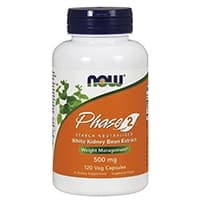
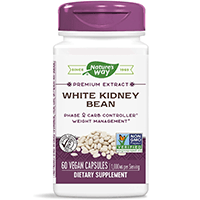
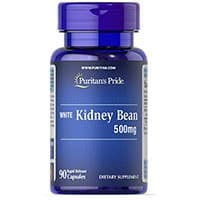
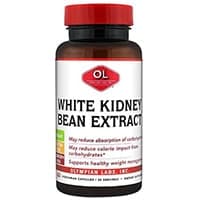
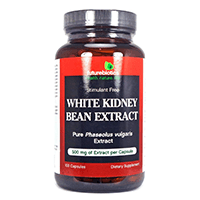
Why people shop white kidney bean extract supplements
White kidney bean extract (commonly from Phaseolus vulgaris) is usually marketed as a “carb blocker” or starch-management supplement. That headline sounds simple, but this category is easy to misunderstand. The real-world use case is not “eat anything, supplement fixes it.” It is more like: some people want an adjunct around higher-starch meals while they work on the bigger levers that still matter most — calorie consistency, protein intake, activity, sleep, and stress.
Most products in this category focus on alpha-amylase inhibition language, but labels vary a lot in extract amount, standardization quality, and serving instructions. Two bottles can both say “white kidney bean extract” and still deliver very different practical value. That is why this guide focuses on transparency and decision quality, not hype slogans.
This page is educational and not medical advice. If you have diabetes, prediabetes, IBS, eating-disorder history, kidney disease, or take glucose-lowering medications, discuss this ingredient with a qualified clinician before trying it. Supplements that affect meal response can still interact with medication plans and symptom patterns.
How to use this guide
Use the shortlist as a quality filter, not a treatment protocol. Start by choosing your intent: are you looking for occasional support with starch-heavy meals, or trying to build a daily metabolic-support routine? Your answer changes what product structure is practical.
If your overall goal is glucose-support stack planning, compare this category with berberine supplements, which operate in a different lane and often carry different interaction considerations. For another plant category commonly used around meal-related glucose discussions, see white mulberry supplements. If you are evaluating leaf-based options in similar routines, banaba supplements are another frequent comparison point. These categories overlap in shopper intent but are not ingredient-equivalent or side-effect-equivalent.
As always, our ranked placement reflects product quality factors and practical usability, not a promise that any capsule will override poor sleep, chronic overeating, or low activity. For how ranking criteria are applied across the site, review our methodology.
Who this category is for (and who should skip it)
Good fit candidates
- People who want a structured supplement around specific starch-heavy meals, not all-day “fat burner” stimulation.
- Users who prefer low-stimulant categories and want to avoid caffeine-heavy blends.
- Shoppers willing to track meals, tolerance, and consistency so they can evaluate whether the product is worth continuing.
Likely poor fit candidates
- Anyone expecting a “permission slip” to ignore overall nutrition quality.
- People with significant GI sensitivity who already struggle with bloating, gas, or post-meal discomfort.
- Users on complex medication regimens who have not done a pharmacist or clinician review.
- Anyone trying to self-treat diagnosed metabolic disease without medical oversight.
How to compare two labels in 60 seconds
If you only have a minute, run this checklist:
- Active name and amount: Does it clearly list white kidney bean extract and exact mg per serving?
- Serving logic: Does timing make sense (often meal-adjacent), and can you realistically follow it?
- Blend transparency: Is it standalone, or buried in proprietary “carb blocker” complexes?
- Stimulant load: Any hidden caffeine or overlap with products you already use?
- Cost per useful serving: Not bottle price — actual monthly cost at intended daily use.
- Quality signals: Reasonable manufacturing/testing transparency instead of pure marketing language.
If a product fails on clarity, skip it. In this category, opaque labels are usually not worth the gamble.
What to look for in a white kidney bean extract supplement
Clear extract disclosure
Products should provide exact extract amount per serving and practical daily guidance. If all you see is “carb control matrix,” comparison-shopping becomes guesswork.
Meal timing that fits real life
Many formulas are designed around carbohydrate-containing meals. If the schedule is too rigid for your day, adherence will collapse and the product will look “ineffective” even if the issue was routine mismatch.
GI tolerance profile
Because this ingredient is often positioned around starch handling, GI effects (gas, bloating, bowel changes) are one of the first things users notice. Start conservatively when appropriate and monitor response honestly.
Minimal unnecessary extras
Some products add chromium, bitter orange, caffeine, or broad “metabolic blends.” That may or may not fit your goal. If your intent is to evaluate white kidney bean extract specifically, simpler is usually better.
Common mistakes that waste money
- Using it as a free-pass mindset. No supplement reliably outperforms sustained nutrition habits.
- Stacking multiple glucose-oriented products immediately. Harder to interpret, higher chance of unpleasant side effects.
- Ignoring meal composition. Protein, fiber, and total energy still drive outcomes far more than a single ingredient.
- Switching brands too quickly. Rapid product hopping makes it impossible to evaluate a category fairly.
- Not tracking anything. Without basic notes (timing, meals, symptoms), perceived results become guesswork.
What to monitor in your first 2-4 weeks
If your clinician agrees with use, track these signals:
- GI tolerance: bloating, bowel changes, discomfort timing relative to dose and meal type.
- Meal behavior: hunger patterns, snacking changes, and whether you stay more consistent with portions.
- Energy stability: post-meal crashes vs steadier afternoons.
- Adherence: can you follow the protocol without it becoming stressful?
- Medication overlap: any signs your current plan feels “different” should be reviewed promptly with your clinician.
If side effects are persistent, or if symptoms feel concerning, stop and seek medical guidance rather than forcing continuation.
FAQs
What is white kidney bean extract used for?
Most products market it for starch-meal support and metabolic wellness routines. It is a dietary supplement category, not an approved treatment for obesity or diabetes.
Does it “block carbs” completely?
No. Marketing language often exaggerates this. Think in terms of partial support in specific contexts, not complete carbohydrate cancellation.
Can I take it every day?
Some users do, but daily use should match your tolerance, meal pattern, and clinical context. If you are on glucose-lowering medication, clinician supervision is important.
What side effects are most common?
GI symptoms are the most common user-reported issue: gas, bloating, or bowel habit changes. Response varies by dose and meal composition.
Can I combine it with berberine or banaba?
Possible, but stacking should be intentional. Multiple glucose-focused ingredients can complicate interpretation and increase side-effect burden.
How long should I trial one product?
If approved by your clinician, use a structured 2-4 week period with stable habits before judging. Don’t change five variables at once.
Is this better than fiber supplements?
Different tool, different role. Fiber supports satiety and digestive health broadly; white kidney bean extract is often used in starch-meal strategies. Many people may benefit more from fixing fiber intake first.
Bottom line
White kidney bean extract supplements can be useful for some people as a targeted, meal-adjacent adjunct — but only when expectations are realistic and labels are transparent. The best product is usually the one with clear dosing, practical timing, and clean formulation you can follow consistently.
Use this category as a small lever inside a bigger system: nutrition quality, protein/fiber intake, sleep, activity, and clinician-guided monitoring where needed. If you want long-term results, consistency beats supplement novelty every time.