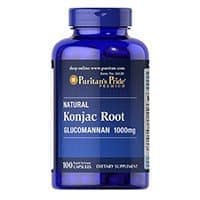
Why people shop glucomannan supplements
Glucomannan is a highly viscous soluble fiber typically derived from konjac root, and it is most often used for satiety support, appetite control, and bowel-regularity routines. In plain language: this category is less about “fat burners” and more about fiber mechanics. That is both its strength and its limitation. If your goal is to feel fuller and improve consistency with portions, glucomannan can help some people. If your goal is “rapid weight loss without changing anything else,” this category will underdeliver.
Most poor outcomes with glucomannan are not because the ingredient is useless; they happen because people use the wrong form, ignore water requirements, or stack it carelessly with medications and other appetite products. Because this fiber expands with fluid, practical use details matter more than flashy branding.
This guide is educational and not medical advice. If you have swallowing difficulties, esophageal narrowing, severe GI disorders, bowel obstruction history, diabetes medications, or multiple oral medications, discuss glucomannan use with a qualified clinician/pharmacist first. Safety and timing are crucial in this category.
How to use this guide
Use the ranked list as a quality-and-fit filter, not as a diet replacement. Start by selecting one clear objective:
- Appetite management support during structured calorie reduction
- Meal-size control support in high-hunger windows
- Bowel-regularity support in a broader hydration/fiber plan
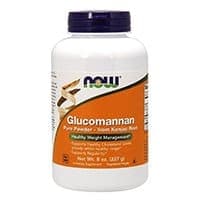
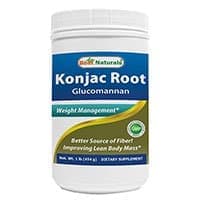
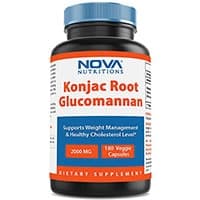
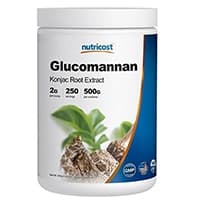
Then choose form and protocol that you can execute consistently. Capsules can be convenient but may require multiple pills per dose. Powders can be cost-effective but require disciplined fluid mixing and timing. Gummies and flavored products often look easy, but active-fiber amounts are sometimes underwhelming for the price.
If you’re comparing appetite-support categories, see our white kidney bean extract supplements guide for meal-adjacent carbohydrate-support strategies, our hoodia gordonii supplements guide for appetite-botanical context, and our African mango supplements guide for another weight-management lane with different mechanism and tolerance profile.
For complete ranking criteria and product evaluation standards across the site, see our methodology.
Who this category is for (and who should avoid unsupervised use)
Usually a better fit for
- Users who struggle with portion control and want a non-stimulant support tool.
- People willing to pair fiber supplementation with hydration and meal planning.
- Shoppers who can keep timing consistent and monitor GI response.
Usually a poor fit for
- Anyone with swallowing issues or history of GI blockage concerns.
- Users who cannot reliably drink sufficient water with each serving.
- People on tightly timed oral medication schedules without pharmacist guidance.
How to compare two glucomannan labels in 60 seconds
- Step 1: Confirm actual glucomannan amount per serving (in grams, not just capsule count).
- Step 2: Confirm suggested water amount and timing around meals.
- Step 3: Check format: capsule, powder, or blended fiber formula.
- Step 4: Check fillers/sweeteners and unnecessary “fat burner” add-ons.
- Step 5: Calculate monthly cost at true effective daily use.
If the product does not clearly state grams per serving and water instructions, skip it.
What to look for in a glucomannan supplement
Active-fiber amount in grams
This is the core metric. Many labels look impressive but provide low per-serving fiber unless you take multiple servings. Always compare by grams of glucomannan, not by bottle size or front-label hype.
Water instructions that are explicit and practical
Glucomannan must be taken with enough water. This is a safety and performance requirement, not a suggestion. If product instructions are vague, that is a quality concern.
Standalone fiber vs mixed appetite formulas
Blends may include caffeine, green tea, chromium, or herbal appetite suppressants. Those can add complexity and side effects. If you want to evaluate fiber effect, choose a cleaner formula first.
Capsule burden and adherence
Some users abandon this category because capsule counts feel excessive. If pill burden is high, powder might improve adherence — provided you can commit to proper mixing and hydration.
GI tolerance and progression strategy
Fiber changes can cause bloating or gas early on. Conservative onboarding, adequate water, and steady meal structure usually improve tolerance more than aggressive dosing.
Common mistakes that waste money (or create avoidable issues)
- Taking glucomannan with too little water. This is the most important avoidable mistake.
- Using it while under-hydrated overall. Fiber without hydration often worsens comfort.
- Stacking several appetite products at once. Makes outcomes harder to interpret and can increase side effects.
- Ignoring medication timing. Fiber can influence absorption context for some oral medications.
- Expecting dramatic fat loss without calorie consistency. It is a support tool, not a substitute for intake control.
What to monitor in your first 2-4 weeks
If your clinician/pharmacist supports a trial, monitor:
- Hunger windows: appetite intensity before meals and evening snacking behavior.
- GI response: bloating, stool pattern, cramping, and comfort trend.
- Hydration compliance: did you meet water targets with every serving?
- Medication spacing: maintain safe intervals where advised.
- Adherence quality: is this protocol sustainable in your real daily life?
Stop and seek medical guidance if you have swallowing difficulty, severe abdominal pain, persistent constipation, or concerning GI symptoms.
FAQs
What is glucomannan used for?
It is mainly used for satiety and bowel-regularity support as a soluble fiber. It is not a stimulant fat burner.
How much water do I need with glucomannan?
Enough to safely swallow and hydrate the fiber properly, following label instructions closely. Insufficient water increases risk and reduces usefulness.
Can I take glucomannan every day?
Many users do, but daily use should include hydration discipline and medication-timing awareness.
What side effects are common?
Bloating, gas, and bowel-pattern changes are common during adjustment. Gradual use and water consistency usually help.
Can I combine glucomannan with appetite suppressants?
Possible, but start simple. Multi-product appetite stacks are often less tolerable and harder to evaluate.
How long should I trial one product?
If appropriate, run a consistent 2-4 week trial with stable hydration and meal structure before deciding.
Can glucomannan replace protein and meal planning?
No. It supports satiety but does not replace foundational nutrition design.
Bottom line
Glucomannan can be a strong non-stimulant appetite-support tool when used correctly, but this is a protocol-sensitive category. The best product is usually one with clear grams-per-serving disclosure, explicit water instructions, and a format you can maintain consistently.
If you want reliable outcomes, prioritize hydration, meal structure, and stack simplicity. In this category, execution quality matters more than marketing claims.