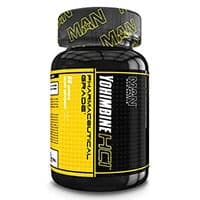
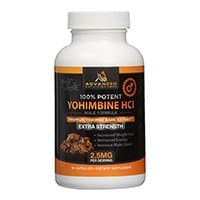
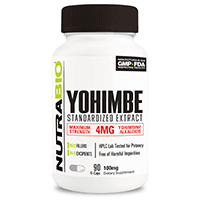
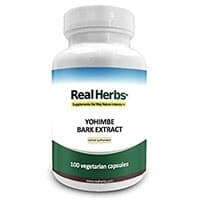
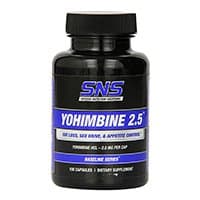
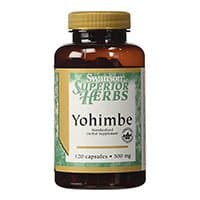
Why yohimbe is a “read the label twice” category
Yohimbe supplements are usually made from bark of Pausinystalia yohimbe (or closely related materials sold under similar names). What makes this category unusually risky is not “herbs are scary,” but potency variability: bark extracts can differ in how much active alkaloid they deliver batch to batch, and consumer products are not always standardized the way people assume.
The compound most people mean when they talk about yohimbe pharmacology is yohimbine, an alkaloid with real pharmacologic activity—sympathetic tone, blood pressure effects, anxiety provocation in susceptible users, and meaningful interaction concerns with several common drug classes. That combination is why yohimbe belongs in the same mental bucket as other aggressive stimulant-adjacent botanicals, not next to gentle “wellness tea” ingredients.
This page is educational, not medical advice. Yohimbe is a poor candidate for self-experimentation if you have cardiovascular disease, uncontrolled hypertension, anxiety disorders, PTSD with hyperarousal, bipolar disorder, are pregnant or breastfeeding, take MAOIs or many psychiatric medications, or use erectile-dysfunction drugs. When in doubt, the correct move is “don’t buy it online at 11 p.m.”—it is to ask a clinician or pharmacist who knows your medication list.
How to use this guide
The shortlist helps you compare products on transparency and quality signals. The body below is deliberately less “buying tips” and more safety framing, because the most common regret in this category is not picking the wrong brand—it is underestimating how strong a poorly labeled bark extract can feel.
If you are comparing stimulant-forward fat-loss ingredients, read adjacent categories with the same caution mindset: our bitter orange supplements guide covers synephrine-adjacent products often stacked with caffeine, and our caffeine pills guide is useful for understanding how easy it is to double-stack stimulants across pills, powders, and pre-workouts without noticing.
Many “fat burner” formulas hide yohimbe inside proprietary blends alongside other actives. For context on another common blend ingredient with its own interaction and tolerance story, see our green tea extract guide—not because it behaves like yohimbe, but because multi-ingredient products are where people lose track of what they are actually swallowing.
Yohimbe bark vs “yohimbine” on the label (do not conflate them)
Bark powder or crude extract
Some products list yohimbe bark with a milligram amount that sounds precise but does not tell you alkaloid content. That can be fine for brands that also standardize alkaloids, but it is a red flag when the label reads like “bark for vibes” with no standardization story.
Standardized yohimbine content
When a label states a standardized amount of yohimbine (or clearly quantifies yohimbine per serving), you at least know what the product is trying to deliver. That does not remove interaction risk, but it reduces one major failure mode: accidentally taking a concentrated extract while thinking you are taking a mild herbal.
Proprietary blends and “matrix” totals
If yohimbe appears inside a blend where only a total milligram value is disclosed, you cannot know your dose. In this category, “unknown dose” is not a neutral fact—it is a reason to move on.
What to look for if you are still shopping (minimum viable label hygiene)
- Clear identity: yohimbe bark extract versus isolated yohimbine labeling should match what you intend to take.
- Quantified actives: prefer labels that state yohimbine per serving when the product is marketed for yohimbine-like effects.
- No mystery stacks: avoid products that bury yohimbe in proprietary blends alongside caffeine, synephrine-adjacent ingredients, and other stimulants.
- Third-party testing language that means something: vague “lab tested” badges are weaker than programs with named standards and scope.
- Honest contraindications: brands that pretend yohimbe is a gentle botanical are not doing you a favor.
Who should usually avoid yohimbe without direct medical clearance
- Anyone with a history of hypertension, arrhythmia, coronary disease, or cerebrovascular disease.
- People with anxiety disorders, panic disorder, insomnia-prone physiology, or PTSD with hypervigilance.
- Anyone on psychiatric medications where autonomic or blood pressure effects matter—this is a pharmacist conversation, not a forum thread.
- Anyone using PDE5 inhibitors or other erectile-dysfunction medications—interaction risk is a known clinical concern class.
- Pregnancy and breastfeeding: not appropriate self-experimentation categories here.
- Anyone who cannot tolerate stimulants—or who already runs high daily caffeine from coffee, energy drinks, and pre-workout.
Common mistakes that turn a supplement into an ER story
- Stacking yohimbe with high caffeine and then adding a fat burner and a pre-workout the same day.
- Treating “herbal” as “weak,” then taking a second dose because “it hasn’t kicked in.”
- Ignoring early warning signs like racing heart, tremor, nausea, cold sweats, or surging anxiety.
- Buying for libido myths while on prescription meds without checking interactions.
- Using travel, fasting, dehydration, or sauna days as the first week to try a new sympathomimetic-adjacent product.
Compare two yohimbe labels in 60 seconds
- Step 1: Is yohimbe standalone or hidden in a blend?
- Step 2: Is yohimbine quantified per serving?
- Step 3: Does the label warn about blood pressure, anxiety, and medications—or pretend it is mild?
- Step 4: What else is in the product (caffeine, synephrine-adjacent botanicals, thyroid-adjacent marketing)?
- Step 5: Would you be comfortable explaining this label to an emergency physician? If not, do not take it.
What to monitor in the first days (and when to stop)
If a clinician explicitly clears a trial (rare, and individualized), tracking should include resting heart rate trends, blood pressure if you can measure it safely, sleep quality, anxiety level, headache, GI upset, and any sense of faintness. Stop immediately for chest pain, fainting/near-fainting, severe palpitations, sudden severe headache, or neurological symptoms—and seek urgent care when symptoms are severe or escalating.
FAQs
What is yohimbe used for in supplements?
Marketing often points toward body composition, energy, or libido-adjacent goals. Human evidence is mixed, limited, and easy to overstate; the pharmacologic reality is that yohimbe can produce real autonomic effects that are not “wellness background noise.” That mismatch—soft marketing language versus hard physiology—is the core hazard.
Is yohimbe the same as yohimbine?
Not exactly. Yohimbe usually refers to botanical bark material, while yohimbine refers to a specific alkaloid. A bark product may contain variable alkaloid profiles depending on plant part, extraction, and standardization. Treat non-standardized bark products as higher uncertainty unless your clinician advises otherwise.
Why do people report such different experiences with yohimbe?
Dose variability, individual anxiety sensitivity, caffeine co-use, sleep debt, dehydration, and medication interactions can all widen the response range. Two people can take “the same” marketed dose and have opposite tolerability stories if their underlying physiology and stacks differ.
Can yohimbe interact with antidepressants?
This is a high-risk question to answer casually in a supplement article because it depends on the specific medication, dose, and individual factors. Suffice it to say: many psychiatric medication regimens are incompatible with sympathetic stimulant experimentation. Do not combine without explicit medical supervision.
Is yohimbe banned?
Regulatory status varies by country and context; in the United States, yohimbe/yohimbine has appeared in FDA warning and enforcement discussions over the years, particularly around marketing claims and adulteration concerns in certain product classes. Practical takeaway for shoppers: legality on a shelf does not equal “safe for me.”
Are there safer alternatives if my goal is fat loss?
For most people, the highest-leverage “alternatives” are sleep, protein adequacy, resistance training, step counts, and sustainable nutrition—boring because they work. If you are comparing supplement lanes anyway, prioritize categories where dose transparency and interaction risk are easier to control than multi-stimulant botanical stacks.
How we shortlist products on this page
Even in sensitive categories, readers still deserve a clear comparison framework: label honesty, standardization disclosure, manufacturing credibility, and whether the brand respects contraindications instead of burying them. For how we think about rankings overall, read our methodology—and treat any yohimbe purchase as a decision that should survive professional scrutiny, not just a checkout impulse.
Bottom line
Yohimbe is one of the supplement categories where “strong” is not a compliment—it is a warning. If you do not know your alkaloid dose, cannot tolerate stimulants, take prescription medications, or have cardiovascular or anxiety vulnerabilities, the best supplement choice is often none.
If you are medically cleared for a trial, prioritize standardized labeling, avoid stacked mystery blends, and treat early side effects as hard stop signals—not something to power through for “results.”