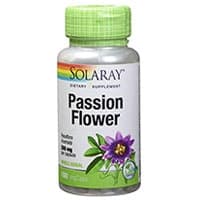
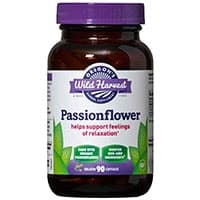
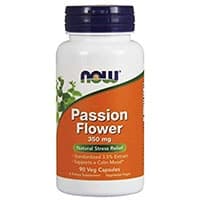
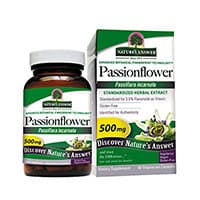
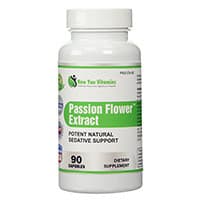
Why people choose passionflower supplements
Passionflower (Passiflora incarnata) is one of the better-known calming botanicals, usually used for stress-heavy evenings, bedtime wind-down, or “wired but tired” routines. It sits in a middle zone between lifestyle-only sleep hygiene advice and stronger sedative options: not a cure-all, not a placebo for everyone, and definitely not interchangeable with every other calming herb.
What makes this category tricky is that labels can look similar while products behave very differently. Some formulas use meaningful passionflower extracts with clear serving amounts; others hide small amounts inside “relaxation blends” that make comparison nearly impossible. If you are shopping with real goals—fewer racing thoughts at night, better transition into sleep, less stress spillover—label transparency matters more than branding aesthetics.
This page is educational and not medical advice. If you take sedating medications, antidepressants, anti-anxiety prescriptions, or have liver concerns, pregnancy/breastfeeding status, or significant daytime sleepiness already, talk with a clinician before adding passionflower. “Natural” does not mean interaction-free.
How to use this guide
Use the ranked list as a product-quality filter. Use the body below to decide whether passionflower is even the right category for your main problem. Some people need a calming herb; others actually need better caffeine timing, structured sleep windows, treatment for sleep apnea, or medication review.
If you are comparing botanical calming options, it helps to review adjacent categories like valerian root and chamomile, which overlap in bedtime use but differ in flavor, tolerability, and how sedating some users find them. If your main issue is sleep timing rather than stress intensity, melatonin is a different mechanism and should not be treated as a direct one-to-one substitute.
Who passionflower is usually for (and who should be cautious)
Often a good fit for
- Adults with mild-to-moderate evening stress who want a non-stimulant wind-down aid.
- People building a sleep routine who can keep caffeine/alcohol habits consistent during a trial.
- Users who prefer herbal options but still want clear dosing and realistic expectations.
Use extra caution or avoid DIY use if
- You already use sedatives or CNS-active medications and have not checked interactions.
- You need high morning alertness for driving, machinery, shift transitions, or safety-critical work.
- You are trying to self-treat severe anxiety, panic, or chronic insomnia without clinical support.
What to look for in a passionflower supplement
Species and plant-part clarity
Look for Passiflora incarnata on the label, not generic “passion flower complex” wording. Better products also clarify whether they use aerial parts, extract ratio, or standardization details.
Transparent serving math
You should be able to answer three questions in seconds: how many mg per serving, how many servings per day, and what that means per month. If the label only gives a blend total, you cannot compare value or likely effect.
Standalone vs blend formulas
Blends are not automatically bad, but first-time users usually get better signal from simpler formulas. If passionflower is combined with valerian, lemon balm, magnesium, and melatonin all at once, it becomes hard to troubleshoot side effects or identify what is helping.
Form choice: capsule, tea, or tincture
Capsules usually win on dosing consistency. Teas may be more ritual-friendly but can vary by steep time and product quality. Tinctures are flexible but can include alcohol carriers that not everyone wants before bed.
Manufacturing credibility
Botanical quality varies by sourcing, extraction, and testing. Prioritize brands that provide meaningful QA language (identity/purity testing, GMP context, contaminant screening) rather than decorative “lab tested” badges with no specifics.
How to compare two labels in 60 seconds
- Step 1: Confirm exact botanical name (Passiflora incarnata).
- Step 2: Check mg per serving and daily serving recommendation.
- Step 3: Identify whether passionflower dose is disclosed or hidden in a blend.
- Step 4: Scan for other sedating ingredients you did not plan to stack.
- Step 5: Check warnings for medication interactions and drowsiness.
Common mistakes that waste money (or cause next-day fog)
- Changing everything at once: new supplement, new bedtime, new caffeine routine, and new screen habits in the same week.
- Using overly complex sleep blends first: then not knowing which ingredient caused grogginess.
- Taking doses too late: then blaming the product for predictable morning sluggishness.
- Ignoring alcohol stacking: combining evening alcohol with sedating herbs can amplify impairment.
- Expecting instant cure-level effects: mild calming support is a realistic target, not sedation on command.
What to monitor in your first 2-4 weeks
If your clinician agrees to a trial, track bedtime anxiety level, sleep onset latency, night awakenings, morning alertness, dream intensity, and daytime fatigue. Keep caffeine timing and alcohol intake stable enough to interpret results. If you feel unusually sedated, dizzy, cognitively slowed, or emotionally blunted, reduce complexity and seek medical advice.
Stop and seek care urgently for severe confusion, allergic reactions, persistent vomiting, fainting, chest pain, or other concerning symptoms.
FAQs
Does passionflower help with anxiety?
Some people report reduced subjective tension, especially in evening contexts, and limited research suggests potential calming effects in certain settings. But results are not uniform and should not replace treatment for significant anxiety disorders. Think of passionflower as supportive for selected users, not definitive psychiatric care.
Is passionflower mainly for sleep?
It is commonly used for wind-down and sleep-adjacent stress, but that does not mean it is strictly a “sleep supplement.” Some users take it for daytime stress support at low doses; others reserve it for evenings because of drowsiness concerns.
Can I combine passionflower with melatonin?
Many people do, but combining sedating agents can increase next-day grogginess in sensitive users. If you test combinations, introduce one variable at a time and use conservative dosing windows.
How long should I trial one product?
A fair trial is usually about 2-4 weeks with stable routines. If no meaningful benefit appears and adherence is good, switching category may be smarter than endlessly swapping brands.
Is passionflower safe in pregnancy?
Do not self-prescribe during pregnancy or breastfeeding without clinician guidance. Safety assumptions from general herbal popularity are not enough for these contexts.
Can passionflower interact with medications?
Yes, especially with medications that affect sedation, mood, or central nervous system activity. Medication-specific review with a pharmacist is the practical safety step.
How we shortlist products on this page
We prioritize label transparency, sensible dosing, manufacturing credibility, and claims that stay inside plausible evidence boundaries. We do not reward hype language that promises instant emotional transformation. For full criteria behind our rankings and editorial process, see our methodology.
Bottom line
Passionflower can be a useful calming option for some adults, especially when evening stress is the bottleneck and dosing is clear. The best product is typically one with transparent labeling, minimal unnecessary complexity, and a routine you can follow consistently.
Use it as a tool—not as a substitute for diagnosing chronic insomnia, significant anxiety, or medication-related sleep issues. If symptoms are persistent or escalating, involve a clinician early.