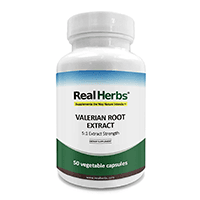
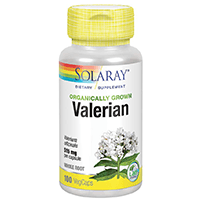
What valerian root supplements are trying to do
Valerian (Valeriana officinalis) is one of the most common “sleep aisle” botanicals, usually sold as root extracts in capsules, tablets, teas, or occasionally liquids. People reach for it when they want something that feels gentler than prescription sleep medication, but still hope for a noticeable shift in how fast they unwind or how deeply they sleep.
The honest framing is mixed: some trials suggest modest benefits for sleep onset or subjective sleep quality, while others show small or inconsistent effects. That does not make valerian “fake,” but it does mean shopping should emphasize label clarity, realistic expectations, and safety with other sedatives—not influencer certainty.
This guide is educational, not medical advice. If you have liver disease, take sedating medications, drink alcohol nightly, use benzodiazepines or Z-drugs, are pregnant or breastfeeding, or operate vehicles/heavy machinery on short sleep windows, talk with a clinician before adding valerian. Do not combine valerian with other CNS depressants without medical guidance.
How to use this guide
The shortlist is a quality-first pass: transparent extracts, credible manufacturing, and brands that do not bury valerian inside vague “relaxation matrices.” The sections below help you match product type to your routine—capsules versus tea, standardized extracts versus crude root, and how valerian fits next to other sleep supplements you might already be taking.
If you are comparing calming botanicals, two close neighbors on store shelves are chamomile and passionflower—similar “wind-down” positioning, different plant chemistry and tolerance profiles. If you are closer to hormone-timing sleep issues or jet lag, you may be weighing botanicals against melatonin, which is a different mechanism entirely (not “stronger,” just different).
Who valerian is often a fit for (and who should be cautious)
Often a reasonable fit when
- You want a structured trial for mild bedtime stress with stable sleep hygiene already in place.
- You prefer capsules over sugary sleep gummies and can tolerate herbal taste if you choose tea.
- You are not stacking multiple sedating supplements without a plan.
Usually a poor DIY fit when
- You take sedating prescriptions, sleep aids, anxiety medications, or drink alcohol near bedtime.
- You have significant insomnia symptoms (long-standing, daytime impairment) that deserve medical evaluation.
- You need to be alert within a few hours of dosing (night shifts, on-call work, driving).
What to look for in a valerian root supplement
Root extract vs “valerian” without botanical clarity
Look for Valeriana officinalis root (or root/rhizome language that matches the species you intend). If the label says “valerian” but reads like a proprietary fairy tale, move on.
Standardization language you can actually use
Many reputable extracts reference standardized markers (for example, valerenic acids or related terpenoid markers, depending on the extract). You do not need to become a phytochemist, but you should be able to answer: what extract, what ratio or standardization, and how many milligrams per serving. If the only number is a giant “blend total,” you are not comparing products—you are comparing marketing.
Smell, taste, and the “old socks” reality
Valerian has a strong odor some people find off-putting. That is not a quality defect by itself, but it can affect adherence. If you will not take capsules that smell assertive, tea or liquid formats may be worse, not better.
Format: capsules, tea, tincture
Capsules are the easiest for consistent nightly dosing. Teas can be pleasant ritual-wise but vary in strength and steep time. Liquids/tinctures can be flexible but may include sweeteners or alcohol carriers—read the full ingredient list if you avoid those.
Stacking discipline
Sleep stacks (valerian + hops + lemon balm + magnesium + melatonin) are common and not automatically harmful, but they make side effects harder to interpret. For a first trial, simpler formulas usually produce clearer feedback.
Compare two valerian labels in 60 seconds
- Step 1: Species and plant part stated clearly?
- Step 2: mg per serving and servings per day—math checks out?
- Step 3: Standardization/extract type disclosed, not only “equivalent to raw herb” fairy dust?
- Step 4: Hidden sedatives in a blend (antihistamines, extra herbs, melatonin) you did not intend to take?
- Step 5: Allergens and fillers you personally avoid?
Common mistakes that waste money (or create grogginess)
- Changing five sleep variables at once—new mattress week, new job stress, new valerian, new melatonin dose.
- Taking valerian too late and then being surprised by morning sluggishness (individual variation is real).
- Buying the biggest bottle before knowing GI tolerance or smell tolerance.
- Using supplements to postpone evaluation of sleep apnea symptoms, depression with insomnia, or chronic pain-driven sleep fragmentation.
- Assuming “natural” means safe with alcohol—sedation stacks are where over-the-counter botanicals become clinically serious.
What to monitor across the first 2–4 weeks
If your clinician supports a trial, track sleep onset (roughly), nighttime awakenings, morning alertness, headache or GI upset, vivid dreams, and daytime sleepiness. Stop and seek guidance if you notice yellowing skin/eyes, dark urine, severe abdominal pain, or unusual sedation—especially if you take other medications or have liver risk factors.
FAQs
How long does valerian take to work?
Some people notice subjective relaxation the first few nights; others need a longer evaluation window. Sleep supplements are notoriously noisy because sleep itself is noisy—stress, caffeine timing, late screens, and alcohol all swamp small ingredient effects. A fair personal trial usually means stable habits plus 2–4 weeks on one transparent product, not nightly brand roulette.
Can I take valerian every night?
Many labels suggest nightly use for limited periods, but “forever nightly” decisions belong in a clinician conversation if you have medical conditions, take other sedatives, or drink alcohol regularly. The goal is not dependence on a bottle; it is identifying whether valerian meaningfully helps your specific pattern.
Does valerian interact with medications?
Sedation-related interactions are the main practical concern—sleep prescriptions, anxiety medications, alcohol, some antihistamines, and other herbal sedatives. Do not treat interaction checking as optional internet trivia; bring the bottle to a pharmacist if you take anything sedating.
Is valerian safe for pregnancy or breastfeeding?
Do not assume safety from popularity. Pregnancy and lactation are contexts where you want clinician-directed choices, not crowd-sourced confidence.
Will valerian make me fail a drug test?
Standard employment drug screens are not targeting valerian, but if you have testing constraints for any reason, keep documentation of what you take and discuss uncertainties with the ordering authority or your clinician.
What side effects are commonly reported?
Headache, morning grogginess, dizziness, and GI upset appear in discussions of tolerability. Serious liver injury reports exist in the broader literature for herbal products generally; they are not something to “statistically comfort” your way through if you have liver disease or risky co-exposures.
How we shortlist products on this page
We prioritize transparency (real extract disclosure, honest serving math), manufacturing credibility, and brands that do not exploit sleep desperation with overdosed multi-sedative blends. For how we evaluate products across the site, read our methodology.
Bottom line
Valerian root can be a reasonable option for some adults with mild bedtime stress when dosing is clear and expectations are grounded. It is not a substitute for evaluating chronic insomnia, sleep apnea, mood disorders, pain-driven sleep disruption, or unsafe sedation stacks.
If you trial valerian, choose one well-labeled product, keep bedtime habits steady, and treat next-day sedation or mood changes as data—not something to push through for “herbal discipline.”