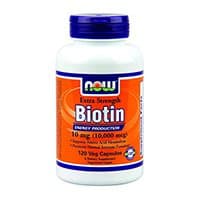
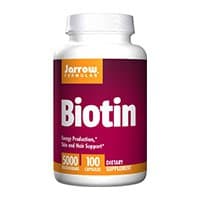
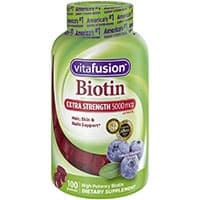
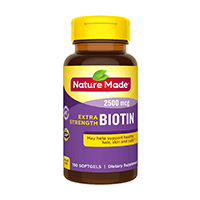
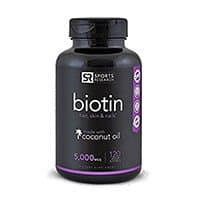
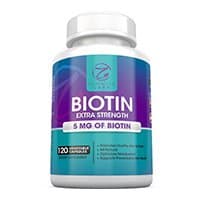
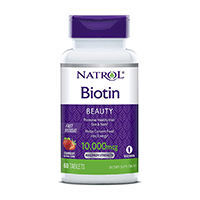
What biotin supplements are (and what they are not)
Biotin (vitamin B7) is a water-soluble B vitamin involved in carboxylation enzymes used in energy metabolism. In supplements, it is almost always sold as straightforward biotin micrograms (mcg)—often marketed for hair, skin, and nails with doses far above typical daily intake references, because “beauty vitamin” packaging loves big numbers.
The evidence reality is less cinematic: biotin can help when there is a deficiency or inadequate intake, but high-dose biotin is not a guaranteed hair regrowth strategy for people with normal status. Meanwhile, high-dose biotin has a serious downside many shoppers never hear: lab interference with some immunoassays (including certain thyroid tests and troponin-style cardiac tests), which can create false results if labs are not alerted.
This guide is educational, not medical advice. If you are pregnant, take thyroid medications, have cardiac symptoms, or have abnormal labs, tell your clinician and the lab what you take—especially if your biotin dose is high. Do not use biotin to postpone dermatology or endocrine evaluation for hair shedding or nail changes.
How to use this guide
The shortlist helps you filter for honest microgram dosing, clean ingredient lists, credible manufacturing, and brands that do not hide biotin inside giant “beauty matrices” without totals. The body below helps you choose a dose strategy that matches your goal—deficiency correction support versus marketing megadoses—and avoid accidental stacking across multis, prenatals, and collagen powders.
If your “hair routine” is mostly powders, check whether you are already getting biotin from collagen blends and beauty stacks before adding another bottle. If you are pregnant or planning pregnancy, biotin is one of many nutrients your clinician may discuss in the context of prenatal planning—coordinate totals rather than stacking blindly. If your interest is trace mineral support sometimes discussed alongside nail quality, zinc is a separate lane with different deficiency logic and different elemental math habits.
What to look for in a biotin supplement
Micrograms per serving—and your total daily micrograms across all products
Audit your multivitamin, prenatal, hair/skin gummies, and collagen products. Biotin stacks silently until labs get weird.
Dose realism: “more mcg” is not automatically more hair
If you do not have a documented deficiency or clinician-directed reason for high doses, megadosing is mostly expensive urine—plus unnecessary lab risk.
Standalone biotin vs beauty mega-blends
Blends with collagen peptides, keratin marketing, vitamins A/C/E, and minerals are common. They can be convenient, but they make it harder to know your true biotin intake.
Form and fillers: capsules versus gummies
Gummies can improve adherence but may add sugar and flavor systems you do not want. Capsules are simpler for dose control.
Manufacturing and contaminant seriousness
Prefer meaningful third-party testing language—not decorative badges.
Who biotin may be appropriate for (and who should be cautious)
Often a reasonable fit when
- You have clinician or dietitian guidance for documented low intake or a defined supplementation plan.
- You can pause high-dose biotin before labs when your clinician asks.
- You track nail and hair changes alongside nutrition fundamentals (protein, iron context, thyroid evaluation when indicated).
Use extra caution when
- You have upcoming blood work for thyroid or cardiac biomarkers—tell the lab and clinician about biotin dosing.
- You stack multiple beauty products without totaling micrograms.
- You use supplements to avoid evaluating sudden hair loss, scalp disease, or systemic symptoms.
Compare two biotin labels in 60 seconds
- Step 1: mcg biotin per serving stated plainly?
- Step 2: servings/day and monthly cost?
- Step 3: overlap with multivitamin/prenatal/collagen totals?
- Step 4: gummy sugar load if applicable?
- Step 5: credible testing language?
Common mistakes that waste money
- Chasing 10,000 mcg without a medical reason.
- Ignoring lab interference and getting false reassurance—or false panic—from tests.
- Blaming biotin for “no hair growth” while protein intake, iron status, thyroid disease, and scalp conditions go unaddressed.
- Buying five beauty gummies that all contain biotin.
- Expecting rapid nail change in days—nails are slow tissue.
What to monitor in the first 8–12 weeks
If your clinician agrees, track nail brittleness, splitting, growth rate (roughly), hair shedding patterns, GI tolerance, and skin changes. If hair loss is rapid or patchy, or you have systemic symptoms, prioritize medical evaluation over escalating supplement doses.
FAQs
Does biotin help hair growth?
It can help when deficiency or inadequate intake is part of the story. For many people with normal biotin status, high doses are not a magic hair accelerator.
What dose of biotin is common?
Retail products vary from modest daily amounts to very high microgram doses. Your appropriate dose should be individualized—especially around labs and pregnancy.
Why does biotin mess up lab tests?
Some immunoassays can be biased by high blood biotin levels, producing falsely high or falsely low results depending on the assay. This is a real patient-safety topic, not internet trivia.
Should I stop biotin before blood work?
Follow your clinician/lab instructions. If you are not sure, ask—especially for thyroid and cardiac testing.
Can biotin cause acne?
Some people report skin changes with B-vitamin megadoses; correlation is not guaranteed causation, but dose changes are worth discussing with a clinician.
Is biotin safe in pregnancy?
Prenatal nutrient plans should be clinician-directed; do not stack multiple prenatals and beauty products without totaling ingredients.
How we shortlist products on this page
We prioritize transparent microgram dosing, manufacturing credibility, conservative lab-interference framing, and claims that do not promise runway hair from megadoses alone. For how we evaluate products across the site, read our methodology.
Bottom line
Biotin supplements are simple, inexpensive, and genuinely useful when intake is inadequate or clinician-guided—but megadose beauty marketing often oversells benefits while underselling lab risks. The best purchase is usually a clean product with honest mcg labeling and a plan to avoid hidden stacking across your supplement pile.
If hair or nails are changing quickly or your labs do not match how you feel, treat medical evaluation and proper lab handling as the priority—biotin is a small variable, not the whole diagnosis.