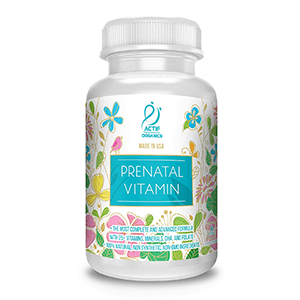
Actif Organic Prenatal Vitamin
Actif Organic Prenatal

Ranking
We’ve done the research and put together an extensive comparison of the 10 best prenatal vitamins you can buy right now.
Updated

Shortlist
Structured picks from our database: scores, labels, and buy links where we track offers. Always read labels and your own goals before buying.
We may earn a commission when you buy through links on this site. Learn more.
Actif Organic Prenatal
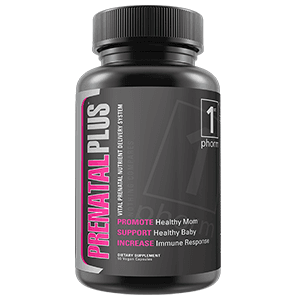
1st Phorm Prenatal
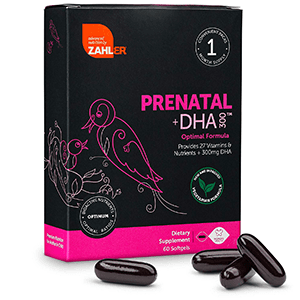
Zahler Prenatal DHA
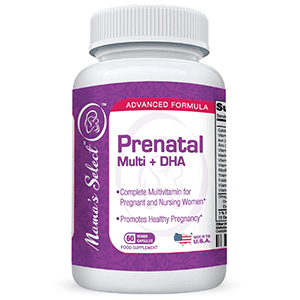
Mama’s Select Prenatal

One-A-Day Prenatal 1

Nature Made Prenatal
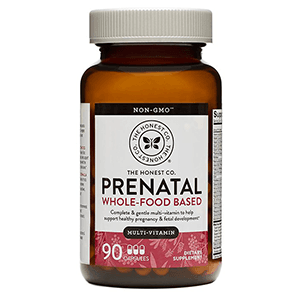
Honest Co. Whole-Food
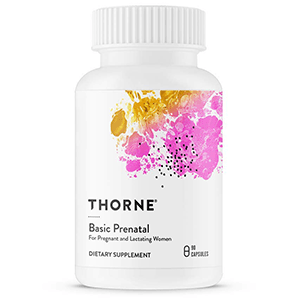
Thorne Basic Prenatal
Ritual Essential Prenatal
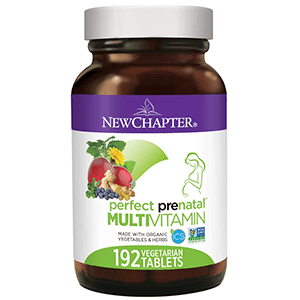
New Chapter Prenatal
If you are trying to conceive, newly pregnant, or already deep into trimester planning, choosing a prenatal can feel surprisingly overwhelming. Every bottle promises “complete support,” labels use technical language, and online advice ranges from helpful to alarmist in a single scroll.
This guide is built for adults who want a practical way to compare prenatal options without guesswork. The ranked products on this page provide the shortlist; this body content helps you evaluate labels, avoid common mistakes, and make a better decision with your clinician.
When we say “best,” we mean better fit for real-world use: transparent ingredient forms, practical dosing, and tolerability you can stick with daily. We don’t provide medical diagnosis or treatment advice. If you have a high-risk pregnancy, severe nausea, anemia, thyroid concerns, GI disease, or medication interactions, your clinician’s plan comes first.
Use this page in two layers. First, use the ranked list above as your filter to narrow options quickly. Second, use the guidance below to compare your finalists with more confidence.
That distinction matters. The list itself is where order and scores live; this article body is where we explain what to look for on labels and how to avoid expensive trial-and-error. If you want the framework behind our scoring philosophy, review the public methodology page.
A simple process works best:
The goal is not to find a “perfect” prenatal. It is to find one you can take consistently and safely over time.
Most prenatals emphasize folate for good reason, but labels can still be confusing. You may see folic acid, methylfolate (5-MTHF), or mixed folate forms depending on the brand. What matters in practice is that the label is clear about both form and amount, and that your care team agrees with the choice for your situation.
If you have specific questions around folate form selection, that is a clinical conversation, not a social-media poll. As a buyer, prioritize transparent labeling and avoid formulas that hide core nutrients in vague blends.
Iron is one of the biggest reasons people switch prenatals after starting. Some tolerate it well; others deal with nausea, constipation, or stomach discomfort. If iron tolerance is your sticking point, compare elemental amounts and discuss timing strategy with your clinician.
If you need a deeper comparison specifically on iron products and formulations, review our guide to iron supplements as a companion resource. It can help you ask better questions before buying a second bottle.
These nutrients are easy to overlook because they are less marketable than flashy add-ons, but they are often central to a solid prenatal plan. Your ideal intake depends on diet, sun exposure, and personal health context, so there is no one-size-fits-all formula.
Check for straightforward labeling and then sanity-check totals if you also use extra single-ingredient supplements. More products in your stack means more room for accidental overlap.
Some prenatal formulas include DHA directly; others keep omega-3s separate for capsule-size or dosing flexibility. Either approach can be valid if the dosage aligns with your care team’s recommendation and your diet.
If your prenatal does not include meaningful omega-3 support, or if you are comparing fish oil vs algae options, use our fish oil supplement guide to evaluate quality markers and label clarity.
Third-party testing, clear sourcing language, and transparent allergen disclosures are useful trust signals. None is magic on its own, but together they help separate serious products from pure marketing.
Look for labels that are explicit about allergens, capsule materials, and serving size assumptions. “Premium” branding without meaningful detail is not enough.
If pill size, smell, taste, or nausea response makes adherence hard, your “best” option on paper can fail in real life. Consistency beats perfection. A slightly less glamorous formula you can take daily usually wins over a top-tier label that stays in your drawer.
Price matters too. A sustainable monthly cost supports continuity through preconception, pregnancy, and breastfeeding windows if applicable.
Many people are advised to start during the preconception period because early developmental windows begin before some pregnancies are confirmed. Starting after a positive test can still be meaningful, but earlier consistency is often preferred when possible.
Timing and dose should still be personalized to your clinical context, especially if you have prior pregnancy complications or existing deficiencies.
Sometimes people try this for cost or convenience, but standard multis are not always designed around pregnancy priorities. The overlap can be misleading: two labels may look similar while differing in key nutrient forms or practical dosing assumptions.
If you are comparing options for different household members, our multivitamin for men guide can help clarify how general multis differ from prenatal-focused formulas.
First, do not assume you must “push through” severe side effects. Discuss timing, form, and dose adjustments with your clinician. In many cases, practical changes can improve tolerance significantly.
If vomiting is persistent or severe, seek medical care promptly. Supplement changes alone are not a complete response to significant pregnancy-related nausea.
It depends on the actual DHA amount on the label and your dietary intake. Some included doses are meaningful; others are minimal and intended as a baseline.
Your clinician can help set a target that reflects your diet, tolerance, and total supplement stack.
Keep a simple “everything I take” list (prenatal, fish oil, iron, vitamin D, greens powders, fortified drinks). Then compare totals before adding new products.
This habit catches overlap early and makes clinician review far easier.
No. Supplements are gap-fill tools, not complete nutrition systems. Food quality, protein intake, hydration, fiber, and prenatal medical follow-up remain foundational.
Think of prenatals as support infrastructure, not a shortcut around the basics.
The ranking section on this page comes from structured product data and editorial review standards. We aim to keep that process transparent and updateable rather than pretending rankings are static forever. For a plain-language overview of how we evaluate products, visit our methodology page.
As formulations, availability, and data signals change, rankings may also change. That is a feature, not a flaw.
A strong prenatal decision is usually not about finding one “perfect” formula. It is about matching a transparent product to your body, your budget, and your care plan, then staying consistent.
Start with the shortlist, compare labels carefully, and use clinician input as your tie-breaker. If your current product causes persistent side effects or confusion, adjust early instead of losing momentum.
And if you are balancing multiple supplements, keep your stack simple and documented. Clear, boring consistency wins over complicated routines almost every time.