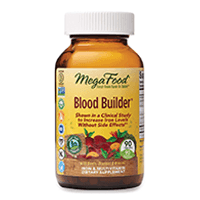
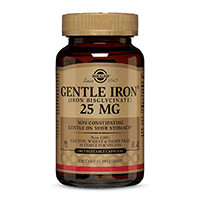
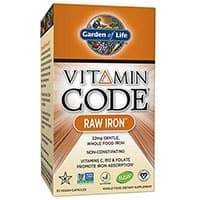
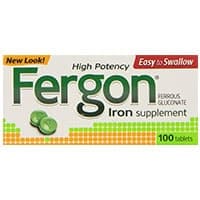
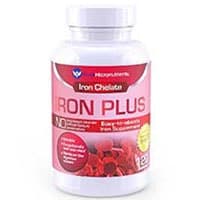
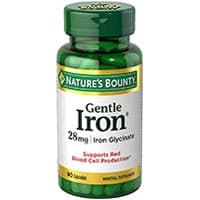
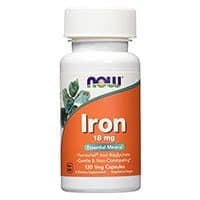
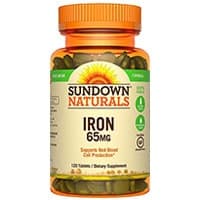
What iron supplements are (elemental iron, salt forms, and why “325 mg ferrous sulfate” still needs translation)
Iron supplements provide the mineral as a salt—commonly ferrous sulfate, fumarate, gluconate, or as chelates like bisglycinate—and the clinically meaningful number is usually elemental iron per dose, not the raw salt weight on the front of the box. Iron is essential for hemoglobin and energy metabolism; it is also one of the easiest supplements to misuse because deficiency symptoms overlap many problems, because GI side effects drive people to chaotic dosing, and because acute iron overdose is dangerous for children who find adult bottles.
This guide is educational, not medical advice. If you suspect anemia, have black stools, shortness of breath, chest pain, pica, pregnancy, heavy menstrual bleeding, kidney disease on ESAs, or hemochromatosis risk, iron is not a self-diagnosis tool—labs and clinician guidance matter. Keep iron products out of reach of children; treat poisoning emergencies as emergencies.
How to use this guide
The shortlist favors transparent elemental iron per tablet, clear salt-form disclosure, sensible excipients for sensitive stomachs, credible contaminant testing language, and brands that do not sell “energy iron” as a cure for fatigue without mentioning testing. The sections below help you time iron away from absorption competitors, avoid accidental double therapy, and understand why anemia workups often involve more than iron alone.
Because vitamin C is classically discussed alongside non-heme iron absorption, read vitamin C supplements as a practical timing category—still individual, and still secondary to getting the right diagnosis. Because fatigue and anemia labs often travel together, vitamin B12 supplements is a parallel nutrient lane where deficiency can mimic iron problems—useful context before you buy three bottles off vibes. If macrocytosis or pregnancy planning is in the conversation, folate supplements belongs in the same medical framing as iron—another reason DIY anemia stacks can mislead you if labs are not interpreted holistically.
What to look for on an iron label
Elemental iron milligrams per serving
If you cannot find elemental iron quickly, the label failed you.
Ferrous versus ferric and chelate marketing
Ferrous forms are common; “gentle iron” chelates may tolerate better for some people at higher cost—individual response dominates slogans.
GI side effects: constipation, nausea, dark stools
Dark stools can be benign on iron; black tarry stools with red flags need medical evaluation—learn the difference, do not internet-guess bleeding.
Interactions: calcium, magnesium, zinc, tea, coffee
Many minerals and polyphenols compete for absorption; separation strategies are common—pharmacist input beats maximalist stacking.
Who iron may be appropriate for (and who should avoid blind supplementation)
Often a reasonable fit when
- Labs document iron deficiency or a clinician prescribes replacement.
- You can tolerate a schedule and track side effects.
- You store iron safely away from children and pets.
High-risk situations—treat iron like medication, not seasoning
- Undiagnosed anemia with cardiac symptoms—urgent evaluation beats tablets.
- Hemochromatosis or repeated high ferritin—iron supplementation can be harmful.
- Active infection contexts where iron decisions are individualized—clinician guidance matters.
Evidence expectations: ferritin, hemoglobin, and “energy in a week”
Replenishing stores can take months even when hemoglobin improves sooner; marketing timelines often lie. A grounded stance is: follow repeat labs and clinician dosing, not influencer rebound schedules.
Compare two iron products in 60 seconds
- Step 1: elemental iron mg per dose stated?
- Step 2: salt form named?
- Step 3: tablet count matches months of therapy if prescribed?
- Step 4: child-resistant packaging and household safety plan?
- Step 5: contaminant testing credibility?
Common mistakes that waste money (or delay care)
- Taking iron forever without follow-up labs.
- Swallowing iron with calcium-heavy meals and declaring iron “doesn’t work.”
- Ignoring B12/folate context while chasing hemoglobin.
- Buying liquid for kids without strict dosing and storage rules.
- Treating fatigue as iron deficiency by default—thyroid, sleep, depression, and cardiopulmonary issues exist.
What to monitor in the first 2–6 weeks
Track constipation, nausea, abdominal pain, and tolerated dosing schedule. Watch for allergic reactions to excipients. If you have prescribed repletion, expect clinician-directed lab monitoring—not vibes-based stopping points.
FAQs
Best iron form for constipation?
Many people trial bisglycinate or adjust dose and timing; clinician-directed switches beat brand superstition.
Iron with coffee or tea?
Often discouraged around dosing windows because polyphenols can bind iron—separation strategies are common.
Can iron cause green or black stool?
Color changes happen; concerning GI bleeding symptoms need medical evaluation, not self-reassurance.
Should everyone take iron?
No—iron overload and misdiagnosis risks are real.
How long should I trial one product?
If intolerance is severe early, formulation changes beat months of heroic suffering—still within clinician guidance when prescribed.
How we shortlist products on this page
We prioritize elemental transparency, child-safety seriousness, interaction-aware framing, contaminant testing credibility, and brands that do not sell iron as a universal fatigue cure. For how we evaluate products across the site, read our methodology.
Bottom line
Iron is one of the highest-impact supplements when deficiency is real—and one of the worst to guess when deficiency is not. The best purchase is clearly labeled, stored safely, timed intelligently away from competing minerals, and paired with medical follow-up when symptoms or labs justified starting it.
If breathing is hard, chest pain exists, or anemia is unexplained, emergency and clinician-led evaluation beat another bottle.