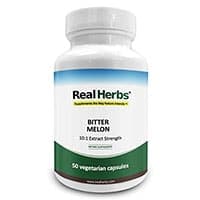
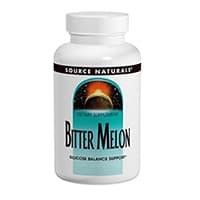
Why people shop bitter melon supplements
Bitter melon (usually Momordica charantia) is a plant used in traditional food and wellness practices, now sold in capsules, tablets, powders, and extracts. Most supplement products in this category are marketed for glucose and metabolic support, especially around carbohydrate-heavy diets and “blood sugar balance” routines. That makes bitter melon a high-interest category — but also a high-confusion one. Labels vary widely in extract strength, serving design, and quality transparency, and many products overpromise what a single supplement can realistically do.
The practical truth: bitter melon is best treated as a supportive adjunct, not a replacement for nutrition quality, movement, sleep, medication plans, or clinician monitoring. If your goal is better glucose stability, this category can be part of a plan for some people — but decision quality matters more than aggressive stack-building.
This guide is educational and not medical advice. If you have diabetes, prediabetes, kidney disease, liver disease, G6PD deficiency, are pregnant or breastfeeding, or use glucose-lowering medications, discuss bitter melon with a qualified clinician before use. In this category, unsupervised stacking can produce avoidable side effects and confusing results.
How to use this guide
Use the ranked list as a quality and usability filter, not a treatment protocol. Start by defining your real use case:
- Meal-adjacent support during a consistent nutrition plan
- Broader metabolic routine support with clinician oversight
- Short-term trial to evaluate tolerance and adherence before long-term use
If you skip this step, it is easy to buy a product that sounds good but does not fit your actual routine. A supplement that requires multiple doses around meals may be theoretically strong but practically useless if your day is unpredictable.
Many shoppers compare bitter melon to other glucose-adjacent categories before deciding. For an alkaloid-focused lane often discussed in similar routines, see our berberine supplements guide. For a leaf-based category with overlapping meal-related positioning, review our banaba supplements guide. For another botanical frequently shopped in carbohydrate-support conversations, read our white mulberry supplements guide. These are related categories, but they are not interchangeable in mechanism, side-effect profile, or medication interaction context.
For complete ranking criteria used across the site, see our methodology.
Who this category is for (and who should avoid DIY trials)
Usually a better fit for
- Users who want a structured, conservative trial with stable meal patterns.
- People willing to monitor tolerance and avoid changing multiple supplements at once.
- Shoppers who prioritize label clarity and practical dosing over “detox” marketing.
Usually a poor fit for unsupervised use
- Anyone taking diabetes medication without clinician review.
- People with significant GI sensitivity and frequent digestive symptoms.
- Users with recurrent dizziness or hypoglycemia risk and no monitoring plan.
- People expecting a capsule to override high-sugar intake and poor sleep.
How to compare two bitter melon labels in 60 seconds
- Step 1: Confirm species identity (Momordica charantia) and plant part used.
- Step 2: Confirm exact extract amount per serving (mg), not just “blood sugar blend.”
- Step 3: Check whether it’s standalone or mixed with stimulants/minerals/herbs.
- Step 4: Check serving schedule and whether you can realistically follow it.
- Step 5: Check for overlap with your multivitamin or other glucose-support products.
If the label hides active amounts, skip it. In this category, hidden dosing is usually a bad sign.
What to look for in a bitter melon supplement
Extract transparency and serving math
Strong products clearly list mg per serving and daily schedule. If a bottle says “metabolic support complex” without specific bitter melon quantity, comparison-shopping is guesswork.
Single ingredient vs blend complexity
Many formulas combine bitter melon with chromium, cinnamon, berberine, or gym-style stimulants. Blends can be convenient, but they make it harder to understand what is helping and what is causing side effects. For first-time users, simpler formulas often produce cleaner results.
Meal timing and practical adherence
Products often suggest use around meals. That can work well if your eating pattern is stable. If your meal timing is irregular, rigid dosing protocols may reduce adherence and make product evaluation unreliable.
GI tolerance profile
Digestive discomfort can happen in this category, especially with aggressive starts or complex blends. Conservative onboarding and symptom tracking are usually smarter than jumping directly into maximal use.
Quality and testing signals
Look for manufacturing transparency and reasonable quality-control language. Botanical categories benefit from brands that make identity and consistency easier to trust.
Common mistakes that waste money (or create avoidable risk)
- Stacking multiple glucose-focused products immediately. Bitter melon + berberine + chromium + cinnamon can create side-effect noise and monitoring confusion.
- Using supplements instead of clinical monitoring. If your glucose metrics are unstable, medical care comes first.
- Treating “natural” as automatically safe. Medication interactions remain possible.
- Ignoring warning signals. Shakiness, dizziness, unusual fatigue, or persistent GI symptoms should not be brushed off.
- Changing many variables at once. New supplement, new diet, and new training block together make interpretation weak.
What to monitor in your first 2-4 weeks
If your clinician supports a trial, track these items:
- Tolerance: GI comfort, appetite changes, energy stability, and meal-to-meal consistency.
- Adherence: can you follow the timing protocol without stress or skipped doses?
- Stack overlap: total glucose-support ingredients across all products.
- Symptom trends: any signs of low blood sugar should prompt immediate review.
- Lifestyle consistency: keep sleep, meal pattern, and activity as stable as possible for cleaner data.
FAQs
What is bitter melon used for in supplements?
Most products market it for metabolic and blood-sugar-support routines. It is a dietary supplement category, not a replacement for diabetes treatment.
Can I take bitter melon every day?
Some users do, but daily use should match your medical context, medication profile, and tolerance. If you’re on glucose-lowering meds, clinician supervision is important.
What side effects are common?
User-reported effects can include GI discomfort, cramping, or dizziness in some cases. Responses vary by dose and stack complexity.
Is bitter melon the same as berberine?
No. They are different ingredients with different mechanisms and interaction profiles. Similar shopping intent does not mean ingredient equivalence.
Can I combine bitter melon with chromium?
Possible, but combination routines should be intentional and monitored, especially if medications are involved.
How long should I trial one product?
If medically appropriate, keep one product and routine stable for 2-4 weeks before deciding. Product-hopping weakens decision quality.
Can it replace diet changes?
No. Nutrition quality, protein/fiber adequacy, sleep, and activity still drive most outcomes.
Bottom line
Bitter melon can be a useful category for some people in structured metabolic-support routines, but it works best when expectations are realistic and labels are transparent. The strongest product is usually the one with clear dosing, simple formulation, and a schedule you can actually follow.
If you are managing diagnosed glucose-related conditions, treat supplements as adjuncts to clinician-guided care, not stand-alone solutions. Keep your stack simple, monitor response, and prioritize consistency over novelty.