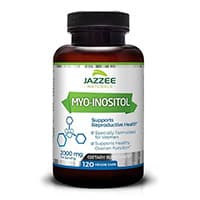
Why people shop inositol supplements
Inositol refers to a family of sugar alcohols that function in cell signaling pathways; in supplements, you will most often see myo-inositol, sometimes paired with D-chiro-inositol in specific ratios. Marketing frequently targets people thinking about cycle regularity, metabolic wellness, and fertility-adjacent goals—especially in conversations influenced by PCOS research. This guide stays educational: supplements are not substitutes for medical diagnosis, prescription therapy, or specialist care when you are trying to conceive or manage hormones.
If you take medications for diabetes, mental health, or thyroid disease—or if you are pregnant, breastfeeding, or undergoing fertility treatment—discuss inositol with a qualified clinician before changing your plan. “Natural” and “well-studied in select populations” are not the same as “automatically appropriate for you.”
Below the shortlist, we cover forms and ratios, powders versus capsules, realistic expectations, and common mistakes. For how we evaluate products in ranked guides, see our methodology.
How to use this guide
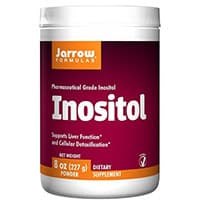
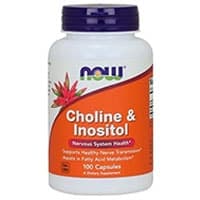
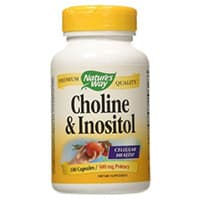
Use the ranked list as a transparency-first filter: inositol products vary in grams per serving, whether they are pure myo-inositol or combination formulas, and whether brands publish a clear ratio rationale. Decide whether you want a simple powder (flexible dosing, taste considerations) or capsules (convenience, higher pill burden at clinically discussed intakes).
Readers often compare inositol with adjacent metabolic and methylation categories. If you are evaluating choline intake and cognitive or liver-adjacent goals, see our choline supplements guide. For a botanical often discussed alongside glucose regulation, berberine supplements cover a different mechanism and interaction profile. If your stack already includes B-vitamin work, folate supplements explain a separate lane with distinct labeling and pregnancy-relevant nuances.
What to look for
Myo-inositol vs. D-chiro and combination ratios
Some products sell myo-inositol alone; others combine myo- and D-chiro-inositol in stated ratios. Ratio marketing can be specific—if a brand makes ratio claims, look for clarity on milligrams of each form per serving and honest directions. If you cannot tell what you are taking, comparison shopping is impossible.
Powder taste, solubility, and adherence
Powders can be economical at higher gram servings, but taste and texture matter for daily adherence. Capsules hide flavor at the cost of volume—do the math on how many pills equal the label’s suggested intake before you commit.
Purity and allergens
Check for unnecessary sweeteners, flavors, and fillers if you prefer minimalist formulas. If you avoid certain excipients, scan inactive ingredients carefully—especially in flavored drink mixes.
Stacking with other supplements and medications
Inositol is frequently discussed online alongside other PCOS-adjacent supplements; stacking without medical oversight can duplicate goals or create interaction blind spots (especially with glucose-lowering drugs). Keep a written list of everything you take and share it with your clinician.
Who should get clinician input first
- Fertility treatment protocols: coordination matters—do not freelance around clinic instructions.
- Diabetes medications: hypoglycemia risk can change when multiple interventions overlap.
- Bipolar disorder history: some clinicians discourage unsupervised inositol use in certain contexts—ask your prescriber.
- Pregnancy and breastfeeding: individualized guidance beats generalized internet defaults.
Mistakes to avoid
- Under-dosing or chaotic dosing. If you never stabilize servings, you will never know what happened.
- Buying “PCOS support” blends without a spec. Proprietary mixes can hide weak inositol content behind long ingredient lists.
- Expecting overnight cycle changes. Many people evaluate on unrealistic timelines; keep notes and align expectations with professional care.
- Ignoring GI symptoms. Nausea or diarrhea may mean dose timing, osmotic load, or incompatibility—adjust with clinician help.
FAQs
What is inositol used for in supplements?
Products typically position it for metabolic and reproductive wellness goals, with myo-inositol being the most common single-ingredient choice. Your indication and safety depend on your health history—this guide cannot personalize dosing.
How much should I take?
Follow the product label unless your clinician prescribes otherwise. Research discussions use a wide range of intakes; consumer products vary—do not assume one bottle matches another.
Is inositol the same as vitamin B8?
Older labeling language can be confusing; focus on the supplement facts panel and the specific forms listed. Names on blogs do not replace chemistry.
What side effects are commonly discussed?
GI upset, nausea, and diarrhea appear in anecdotal reports—especially at higher servings or when introduced abruptly. Stop and seek medical advice for severe symptoms.
Can men take inositol?
Some products are marketed broadly, but most buyer intent in this category skews toward women’s health conversations. Discuss appropriateness with a clinician if you have a specific goal.
How long should I trial a transparent product?
Hormonal and metabolic outcomes are noisy. If you and your clinician agree on a trial, use stable servings and consistent lifestyle inputs for long enough to be fair—then review objectively rather than day-by-day panic.
How we shortlist products
Our rankings reward clear labeling of inositol forms, fair value at realistic serving sizes, manufacturing transparency, and practical fit—powder versus capsule, flavored versus plain. Rankings are editorial guidance, not medical advice. For the full framework, read the methodology page.
Bottom line
Inositol supplements can be a coherent category to compare if you want myo-inositol (alone or in a stated ratio with D-chiro) with transparent milligrams per serving—but the best “formula” is still the one your care team endorses for your history and goals. Prioritize specs over slogans, track adherence honestly, and avoid turning a supplement into a substitute for monitoring and medical support when hormones are involved.
Use the shortlist to identify credible candidates, then decide based on grams per dollar, daily convenience, and whether you truly want a minimalist powder or a finished blend.