What vitamin D supplements are (and why IU labels still confuse people)
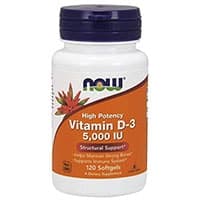
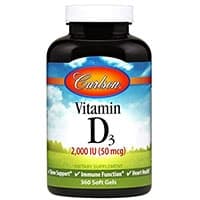
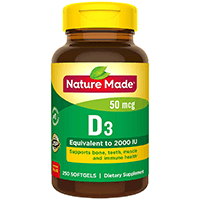
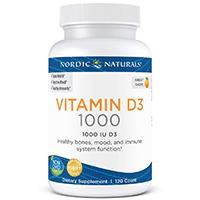
Vitamin D supplements are usually cholecalciferol (vitamin D3) or ergocalciferol (vitamin D2) in softgels, capsules, drops, or sprays. D3 is the common default for daily maintenance in many markets because it is widely used and studied, but the more important shopping skill is reading IU versus micrograms and computing what you actually take per day across multis, prenatals, calcium blends, and “bone support” stacks.
The useful conversion to memorize is: 40 IU = 1 microgram of vitamin D. If a label makes you do calculus to find your daily micrograms, it is not trying to help you—it is trying to sell you confidence without clarity.
This guide is educational, not medical advice. If you have hypercalcemia, kidney stones, chronic kidney disease, sarcoidosis or other granulomatous disease, primary hyperparathyroidism, or take thiazide diuretics and calcium supplements together, discuss vitamin D dosing with a clinician—vitamin D is not “just a harmless winter vitamin” in those contexts.
How to use this guide
The shortlist helps you filter for honest IU/mcg disclosure, oil-based softgel quality, credible third-party testing, and brands that do not hide vitamin D inside proprietary blends. The body below helps you pick a dose strategy that matches your goal (maintenance versus clinician-directed repletion), avoid double-counting across products, and understand why K2 pairing marketing is not a substitute for medical coordination when calcium balance is complex.
If you are building a mineral routine around muscle, sleep, and tension goals, magnesium is a parallel lane with different form-shopping rules—but many real-world patients have overlapping questions about vitamin D and magnesium together, so label discipline across both categories matters. If you are comparing fat-soluble “bone stack” vitamins, vitamin K is the frequent shelf neighbor when brands sell D+K combos; useful as a category for understanding why totals and medical context still beat combo marketing. If you are pregnant or planning pregnancy, prenatal planning is where vitamin D totals are most commonly coordinated with clinician guidance—do not stack separate high-dose D on top without explicit approval.
What to look for in a vitamin D supplement
D3 vs D2 (and when D2 still matters)
D3 is the common daily choice; D2 still appears in some prescriptions and clinical contexts. If your clinician prescribes a specific form, that beats retail defaults.
IU/mcg per softgel and your true daily total
Compute daily IU/mcg from all sources: multivitamin, prenatal, calcium plus D blends, cod liver products, and standalone D.
Drops and sprays: great for kids and swallowing issues—watch concentration
Liquid formats are convenient and easy to overdose if the dropper is misunderstood. Treat liquids like medication precision, not seasoning.
Oil carriers and softgel freshness
Vitamin D is fat-soluble; cheap oxidized oil carriers are a weak foundation. Prefer reputable brands with sane dating and packaging.
D+K combos: not automatically required, not automatically safe for everyone
Combo products can be convenient, but they also stack variables for people on warfarin or with complex clotting histories. Pharmacist input matters.
Who vitamin D may be appropriate for (and who should not megadose)
Often a reasonable fit when
- You have low sun exposure, darker skin living at high latitude, documented low 25-hydroxyvitamin D, or clinician-directed repletion.
- You can take D consistently with a fat-containing meal when appropriate.
- You track totals across supplements honestly.
Use extra caution when
- Hypercalcemia symptoms (polyuria, confusion, constipation, bone pain) or known calcium disorders.
- CKD where activated vitamin D analogs are managed medically.
- Granulomatous disease where vitamin D metabolism is not “normal.”
Compare two vitamin D labels in 60 seconds
- Step 1: IU and mcg both stated (or easy conversion)?
- Step 2: D3 vs D2 named clearly?
- Step 3: servings/day at your intended dose?
- Step 4: hidden D inside calcium blends and multis?
- Step 5: credible third-party testing language?
Common mistakes that waste money
- Megadosing without labs because winter “feels right.”
- Stacking D + prenatal + calcium + immune powder without totaling.
- Buying giant IU softgels and splitting them inconsistently.
- Assuming D fixes bone health while protein, calcium intake, and exercise stay absent.
- Ignoring hypercalcemia warning signs when doses creep upward.
What to monitor in the first 8–12 weeks (often with labs)
If your clinician agrees, follow repeat 25-OH vitamin D testing on their schedule—not random internet intervals. Track GI tolerance, constipation, thirst/urination changes, and unusual fatigue or confusion. Seek urgent care for severe confusion, profound weakness, or arrhythmia symptoms when calcium balance may be shifting.
FAQs
How much vitamin D should I take?
Maintenance needs vary by sun, latitude, skin tone, body size, absorption, and medical conditions. Repletion dosing should be clinician-directed with lab monitoring when appropriate.
Do I need vitamin K2 with vitamin D?
Some products combine them; necessity is individualized. If you take warfarin or have clotting complexity, combo products are a pharmacist conversation.
When should I take vitamin D?
Many people take it with a meal containing fat for absorption; consistency matters more than magical timing.
Can vitamin D cause kidney stones?
High doses can contribute to hypercalciuria risk in susceptible people—another reason individualized dosing beats bro-science megadoses.
D3 vs D2 for raising levels?
Clinicians often prefer D3 for maintenance in many contexts, but your care plan should win over retail defaults.
How long should I trial one product?
Follow clinician timelines tied to labs—not vibes.
How we shortlist products on this page
We prioritize IU/mcg transparency, oil-based quality, manufacturing credibility, and conservative safety framing for calcium and kidney contexts. For how we evaluate products across the site, read our methodology.
Bottom line
Vitamin D is one of the highest-leverage supplements when deficiency is real—but it is also easy to stack unintentionally and risky to megadose without medical context. The best purchases are usually simple softgels or carefully used liquids with honest labeling and a plan that respects labs and comorbidities.
If calcium symptoms, kidney disease, or unexplained fatigue is in play, treat clinician-guided testing as the system of record—retail IU math is a footnote, not the diagnosis.