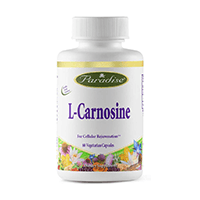
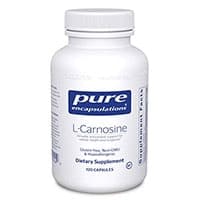
Why people shop carnosine supplements
Carnosine is a dipeptide made from beta-alanine and histidine, found naturally in high concentrations in tissues like muscle and brain, and sold as L-carnosine in capsules or powders. Marketing often points toward exercise buffering conversations, “anti-glycation” language, and longevity-adjacent curiosity—but dietary supplements are not approved drugs for aging, cognition, or disease prevention. Your practical job is to match the exact molecule on the label to your intent, because “carnosine” gets confused with related products constantly.
This guide is educational, not medical advice. If you are pregnant or breastfeeding, have seizure disorders, take medications for kidney function, or manage complex metabolic conditions, discuss carnosine with a qualified clinician—especially before stacking multiple ergogenic or antioxidant-style products.
Below the shortlist, we cover L-carnosine vs. zinc-carnosine formats, dosing realism, and how carnosine relates to beta-alanine in real training planning. For how we evaluate products in ranked guides, see our methodology.
How to use this guide
Use the ranked list as a transparency-first filter: confirm you are buying L-carnosine if that is what you mean. Some products are zinc L-carnosine complexes marketed toward stomach-comfort positioning—legitimate category, different goal, different supplement facts. If you buy the wrong SKU, your “results” will be nonsense and your wallet will notice.
Many athletes arrive here while comparing intramuscular buffering strategies. If your primary goal is raising muscle carnosine stores for high-intensity repeat efforts, beta-alanine supplements are the ingredient most directly tied to that pathway in sports nutrition discussions—different molecule, different tingling, different dosing culture. For a widely used strength-sport staple with a different mechanism, read our creatine supplements guide. If you are shopping leucine-metabolite recovery ingredients, HMB supplements cover a separate amino-acid derivative lane—easy to confuse in long ingredient lists, different supplement facts line.
What to look for
L-carnosine identity and milligrams per serving
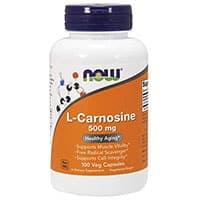
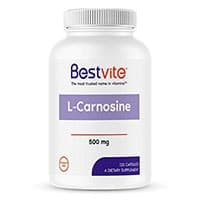
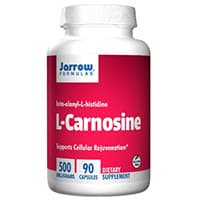
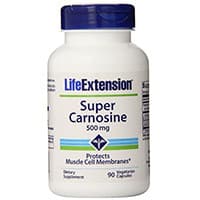
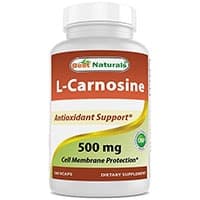
Look for plain language on the supplement facts panel: L-carnosine per capsule and per daily serving. If the label hides amounts in proprietary blends, comparison shopping becomes guesswork.
Zinc carnosine vs. free L-carnosine (do not mix the purchase)
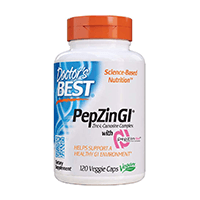
If you intended gastric-comfort zinc carnosine, verify zinc content and directions match that use case. If you intended free carnosine, verify you did not accidentally buy a zinc complex unless that is what you wanted.
Capsule burden and cost per gram
Effective servings in consumer products can mean multiple capsules. Calculate monthly cost at your intended daily intake before you commit.
Stacking with beta-alanine and other ergogenics
Training stacks can duplicate goals or create unnecessary complexity. If you already take beta-alanine, understand what you are adding with carnosine and why—otherwise you are paying for redundancy without a plan.
Who should be especially cautious
- Seizure disorders or medications that lower seizure threshold: discuss with your clinician—beta-alanine-adjacent discussions matter here too.
- Zinc-sensitive populations and copper balance: relevant if you choose zinc-carnosine formats—medical guidance matters.
- Competitive athletes: verify anti-doping guidance for your sport—this guide cannot certify eligibility.
Mistakes to avoid
- Confusing carnosine with L-carnitine. Different names, different biochemistry—read the panel twice.
- Expecting instant buffering miracles. Training adaptation is noisy; fair trials need stable variables.
- Buying “anti-aging” adjectives without specs. Demand milligrams and honest directions.
- Ignoring GI upset. Split doses or change timing if nausea persists.
FAQs
What is carnosine?
Carnosine is a dipeptide sold as a dietary supplement, most commonly as L-carnosine. It is not an essential vitamin; it is an optional product people choose for personal goals.
Is carnosine the same as beta-alanine?
No. Beta-alanine is a precursor used by the body to build carnosine; supplementation strategies and side effects differ.
When should I take it?
Follow the product label unless your clinician advises otherwise. Consistency matters more than magical timing for most people.
What side effects are commonly discussed?
GI upset, nausea, and headache appear in anecdotal reports—responses vary. Stop and seek medical advice for severe symptoms.
Does carnosine improve cognition?
Individual experiences vary; supplements are not approved treatments for cognitive impairment. If cognition changes are new or progressive, seek medical evaluation.
How long should I trial a transparent product?
If you and your clinician agree on a trial, keep servings stable for several weeks while holding training, sleep, and caffeine as constant as practical—then reassess honestly.
How we shortlist products
Our rankings reward clear molecule identity (L-carnosine vs. zinc carnosine), honest milligram disclosure, fair value at realistic daily servings, and credible manufacturing cues. Rankings are editorial guidance, not medical advice. For the full framework, read the methodology page.
Bottom line
Carnosine supplements can be coherent if you want L-carnosine specifically—or zinc L-carnosine if that matches your labeled intent—but the category punishes sloppy label reading. Prioritize correct product type, avoid redundant stacking without a plan, and keep medical red flags (new weakness, seizures, chest pain) in the clinic, not in the comments section.
Use the shortlist to narrow transparent candidates, then choose based on cost per gram, capsule burden, and whether your real goal might be better served by a different ingredient with clearer evidence for that job.