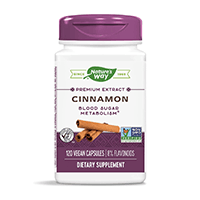
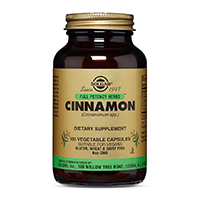
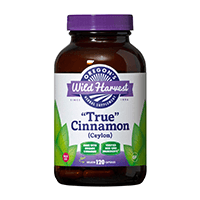
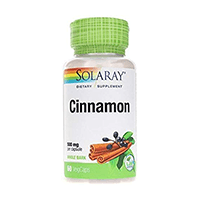
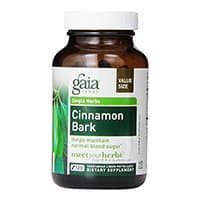
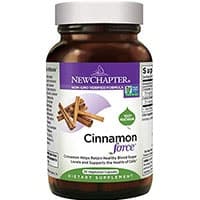
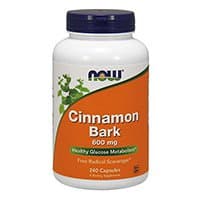
What cinnamon supplements are (and why “cinnamon” is two different safety stories)
Cinnamon supplements are usually sold as capsules or tablets containing concentrated bark powder or bark extracts, most often marketed for glucose metabolism support, cardiometabolic “wellness,” and sometimes digestion-adjacent language. The critical detail most shoppers miss is botanical identity: common grocery Cassia-type cinnamon (Cinnamomum cassia) is not the same risk profile at high daily doses as Ceylon cinnamon (Cinnamomum verum) because Cassia can contribute more coumarin, a compound discussed in liver-toxicity contexts at sustained high intakes.
That does not mean Cassia is “poison” in normal culinary amounts, but supplement capsules can concentrate what a sprinkle on oatmeal does not. If you plan a meaningful daily dose for weeks, species transparency and coumarin-aware sourcing are not optional label trivia—they are the whole safety conversation.
This guide is educational, not medical advice. If you take diabetes medications, have liver disease, are pregnant or breastfeeding, or have hypoglycemia risk, discuss cinnamon supplementation with a clinician before starting—especially if you stack multiple glucose-marketed products.
How to use this guide
The shortlist helps you filter for honest species labeling (Ceylon versus Cassia versus unspecified “cinnamon”), credible manufacturing, and brands that do not hide weak cinnamon inside proprietary “blood sugar support” matrices. The body below helps you match cinnamon to your goal and run a trial you can interpret without changing five metabolic variables overnight.
If you are cross-shopping glucose-adjacent supplements, compare label discipline with berberine (a different active with different evidence depth and monitoring expectations) and bitter melon (botanical glucose marketing with its own tolerability story). If your interest is micronutrient support sometimes discussed alongside glucose routines, chromium is a separate mineral lane with its own elemental-dose math.
What to look for in a cinnamon supplement
Species on the label: Ceylon vs Cassia vs “unknown cinnamon”
Prefer products that state Cinnamomum verum (Ceylon) or clearly disclose Cassia and justify dosing with safety-aware manufacturing. If the label says only “cinnamon bark,” treat potency and coumarin exposure as unknown.
Extract vs powder and what milligrams mean
Powdered bark and concentrated extracts are different products. If a brand claims extract strength, it should map to per-serving math you can verify.
Standalone cinnamon vs metabolic blends
Blends with chromium, berberine, bitter melon, and banaba extracts can be convenient, but they make hypoglycemia symptoms and side-effect attribution harder. If your goal is to evaluate cinnamon itself, simpler formulas usually produce clearer feedback.
Duration and dose realism
If you are using high daily amounts long term, species choice and clinician oversight matter more than brand hype.
Manufacturing and contaminant seriousness
Bark products should have identity testing and sensible contaminant screening. Prefer meaningful QA language over decorative badges.
Who cinnamon supplements may fit (and who should pause)
Often a reasonable fit when
- You want a conservative trial with transparent species labeling and stable diet habits.
- You can monitor for hypoglycemia symptoms if you take glucose-lowering medications.
- You can track GI tolerance and liver warning signs if using higher doses.
Usually a poor DIY fit when
- You substitute supplements for prescribed diabetes therapy or insulin adjustments.
- You have liver disease or abnormal liver labs without medical clearance.
- You stack multiple glucose botanicals without monitoring or pharmacist review.
Compare two cinnamon labels in 60 seconds
- Step 1: Latin species stated (Ceylon vs Cassia vs vague)?
- Step 2: mg per serving and servings per day—monthly cost?
- Step 3: Extract disclosure if marketed as extract?
- Step 4: Hidden proprietary blends?
- Step 5: Other glucose actives included you may already take elsewhere?
Common mistakes that waste money (or create risk)
- Buying unspecified “cinnamon” and assuming it is Ceylon.
- Mega-dosing Cassia-style products long term without species awareness.
- Ignoring shakiness, sweating, and confusion when combining cinnamon with meds.
- Expecting A1c miracles without calories, activity, sleep, and medical follow-up.
- Changing three supplements and your diet the same week and misreading results.
What to monitor in the first 4–8 weeks
If your clinician agrees, track fasting and post-meal glucose patterns per your care plan, GI comfort, reflux, headache, and energy crashes. If you develop yellowing skin/eyes, dark urine, severe abdominal pain, or persistent vomiting, stop and seek medical evaluation.
FAQs
Does cinnamon lower blood sugar?
Some trials suggest modest effects in certain populations; evidence is mixed and product-dependent. Supplements are not a replacement for medical diabetes management when indicated.
Is Ceylon cinnamon better than Cassia?
For high-dose long-term supplement use, Ceylon is often preferred because of coumarin exposure considerations in Cassia. Culinary use is a different context than concentrated capsules.
Can cinnamon cause liver injury?
High coumarin intake is the historical concern with Cassia-type material; severe outcomes are not something to “statistically comfort” your way through if you already have liver risk factors.
Can cinnamon interact with medications?
The practical concern is additive glucose lowering and polypharmacy complexity. Pharmacist review helps if you take diabetes drugs.
How much cinnamon should I take?
There is not one universal optimal dose across species and extracts. Follow label directions unless your clinician prescribes a different plan.
Is cinnamon safe in pregnancy?
Do not self-prescribe concentrated bark extracts in pregnancy; use clinician-directed choices.
How we shortlist products on this page
We prioritize species transparency, honest serving disclosure, manufacturing credibility, and conservative safety framing for liver and glucose-medication contexts. For how we evaluate products across the site, read our methodology.
Bottom line
Cinnamon supplements can be a reasonable trial for some adults when the label tells you what species you are swallowing and your medical context is not contraindicated. The best buys are usually transparent Ceylon products—or clearly disclosed Cassia products used with appropriate caution—not mystery bark priced like a prescription alternative.
If glucose control is medically serious, treat labs and clinician guidance as the system of record—supplements can be an adjunct discussion, not a stealth replacement.