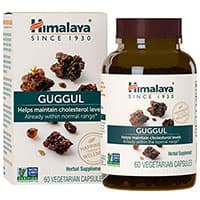
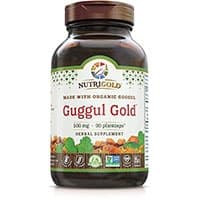
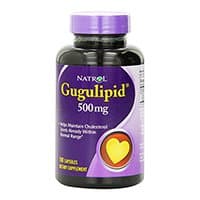
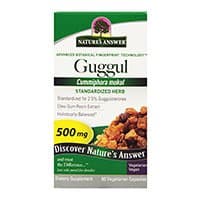
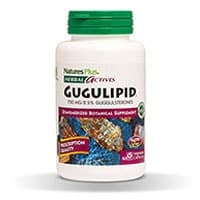
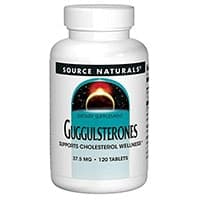
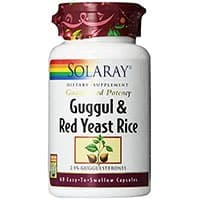
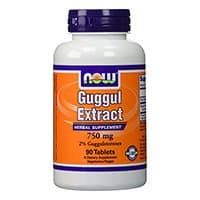
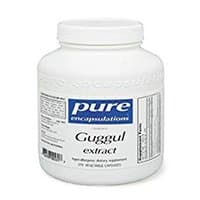
What guggul is (and why supplement labels vary so much)
Guggul usually refers to resin-derived preparations from Commiphora mukul (and sometimes related species), a botanical with a long history in Ayurvedic practice. In modern supplements, you will most often see “guggul extract” capsules marketed for cholesterol and cardiometabolic “support,” sometimes standardized for guggulsterones—a family of compounds buyers are told to treat like the product’s potency signature.
That standardization story matters because guggul is not one monolithic molecule. Two products can both say “guggul” while differing in resin quality, extraction, guggulsterone content, and—most importantly—how honestly the label translates into milligrams you can compare.
This guide is educational, not medical advice. If you take statins, thyroid hormone, birth control pills, anticoagulants, diabetes medications, or have liver disease, discuss guggul with a qualified clinician before use. Do not use guggul to delay lipid testing, medication adjustments, or evaluation of symptoms that need diagnosis.
How to use this guide
The shortlist helps you filter for transparent extracts, credible manufacturing, and brands that avoid “ancient resin miracle” marketing without basic safety framing. The body below helps you decide whether guggul matches your goal, how to read guggulsterone labeling, and what a responsible trial looks like if your clinician agrees it is appropriate.
If your primary shopping intent is cardiometabolic support with clearer human trial culture around glucose, many readers compare Ayurvedic botanicals with berberine—a different ingredient with different interaction and monitoring expectations. If you are browsing traditional Ayurvedic formulas more broadly, triphala is a useful contrast for how multi-botanical blends hide dose transparency. For a heavily researched polyphenol lane often stacked in the same “metabolic wellness” headspace, see turmeric/curcumin—again, not interchangeable, but a good reference for how strong evidence categories still demand label discipline.
Who guggul may be appropriate for (and who should skip DIY use)
Potentially reasonable candidates
- Adults with clinician agreement to trial a conservative, well-labeled resin extract alongside monitored labs.
- Users who can separate “supplement curiosity” from medication changes (no self-titrating prescriptions).
- People who tolerate new supplements cautiously and stop early if symptoms feel wrong.
Usually a poor DIY fit
- Anyone substituting guggul for prescribed lipid therapy without medical supervision.
- Hypothyroidism on levothyroxine (thyroid labs can be sensitive to many variables—herb additions are not neutral).
- Pregnancy, breastfeeding, or complex polypharmacy without pharmacist review.
What to look for in a guggul supplement
Guggulsterone disclosure (and what to do when it is vague)
If a product claims standardization, it should translate into a per-serving amount you can verify—not a marketing percentage floating without context. If the label lists only “guggul extract” with a big milligram number and no standardization detail, treat cross-brand comparison as impossible.
Resin extract identity
Look for clear botanical identity (Commiphora mukul) and extraction type language that matches what you intend to buy. “Ayurvedic blend” products that mention guggul in a proprietary stack are harder to troubleshoot and easier to mis-dose.
Standalone vs shotgun metabolic blends
For first trials, simpler formulas usually produce clearer feedback than five-in-one “cholesterol support” matrices. If you cannot identify the guggul dose, you cannot interpret benefits or side effects.
Manufacturing and contaminant seriousness
Resin extracts deserve the same quality posture as other botanicals: identity testing, heavy metal and microbial screening where relevant, and GMP credibility. Decorative “lab tested” badges are not a substitute.
Compare two guggul labels in 60 seconds
- Step 1: Species and resin extract stated clearly?
- Step 2: Guggulsterone standardization per serving—or honest lack thereof?
- Step 3: Servings per day and monthly cost at your intended dose?
- Step 4: Hidden proprietary blends?
- Step 5: Warnings for thyroid meds, pregnancy, liver risk—not silent labels?
Common mistakes that waste money (or create medical risk)
- Buying based on ancient tradition language instead of modern label transparency.
- Changing statins or thyroid dosing yourself because a supplement “feels like it is working.”
- Ignoring GI upset, rash, or fatigue as early intolerance signals.
- Stacking multiple lipid herbs without monitoring or medical coordination.
- Using supplements to avoid a lipid panel you have been avoiding for years.
What to monitor in the first 4–8 weeks (often clinician-guided)
If medically appropriate, monitoring should align with your goal and risk profile: lipid panels when your clinician schedules them, thyroid symptoms or labs if thyroid is relevant, liver symptom vigilance (nausea, right upper quadrant discomfort, dark urine, jaundice signs), and glucose symptoms if diabetes medications are involved. Stop and seek care urgently for severe rash, swelling, breathing difficulty, fainting, chest pain, or persistent vomiting.
FAQs
What is guggul used for?
Marketing often emphasizes cholesterol and metabolic wellness support. Research history is mixed and not as clean as heavily studied single-ingredient categories, which is why personal use should stay conservative and clinician-aware—especially if prescriptions are in play.
Does guggul lower cholesterol?
Some older human trial work explored lipid endpoints, but results are not consistent enough to treat guggul like a reliable OTC replacement for prescribed therapy. If LDL is high enough to matter medically, that is a physician conversation, not a shopping problem.
Can guggul affect the thyroid?
Guggul has been discussed in thyroid-related scientific contexts, and thyroid-sensitive users are exactly why DIY stacking is risky. If you take levothyroxine or have thyroid disease, this is not a “try it and see” herb without supervision.
What side effects are commonly discussed?
GI upset, rash/skin reactions, and headache appear in tolerability discussions for herbal products generally and guggul specifically in some references. Any new supplement that coincides with liver symptoms deserves prompt medical evaluation.
How long should I trial one product?
Unlike mild sleep botanicals, lipid-adjacent trials often belong in a monitored plan. If your clinician agrees, use one transparent product long enough to matter for labs—weeks to months depending on goals—not three days of vibes.
Is guggul safe with statins?
Do not combine or substitute without medical guidance. The whole point of statin therapy is risk reduction based on evidence and monitoring; hiding a resin extract behind “natural” language does not remove interaction and safety questions.
How we shortlist products on this page
We prioritize honest extract disclosure, conservative claims, manufacturing credibility, and brands that do not exploit fear of prescriptions. For how we evaluate products across categories, read our methodology.
Bottom line
Guggul supplements can be a serious botanical category—not because they are guaranteed to work like a drug, but because lipid and thyroid contexts are medically serious. The best purchases are transparent resin extracts with clear standardization language, used only when your healthcare situation makes that reasonable.
If you are unsure whether you should be optimizing supplements or optimizing medical therapy and lifestyle fundamentals, default to labs and clinician guidance. Supplements should not be the place where important cardiovascular risk gets “handled quietly.”