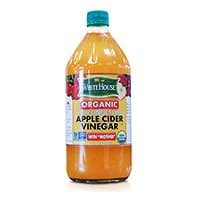
What apple cider vinegar products are (liquids, capsules, and gummies)
Apple cider vinegar (ACV) products range from raw liquid vinegar with sediment (“the mother”) to deodorized liquids, capsules/tablets claiming an “equivalent” acetic acid dose, and gummies that often prioritize palatability over vinegar intensity. The ingredient shoppers are actually buying is acetic acid plus whatever else the formula adds—sweeteners, flavors, juice concentrates, and sometimes unrelated “metabolism” botanicals.
This guide is educational, not medical advice. If you have diabetes and use insulin or sulfonylureas, GERD or esophageal disease, significant dental erosion, chronic kidney disease, or take medicines where delayed stomach emptying or potassium shifts matter, talk with a clinician or pharmacist before making ACV a daily ritual—especially concentrated shots on an empty stomach.
How to use this guide
The shortlist rewards honest acetic acid disclosure (when brands bother), minimal unnecessary sugars in gummies, credible manufacturing and contaminant testing language, and products that do not promise fat loss outcomes that human trials have not consistently granted to vinegar as a category. The sections below help you choose liquid versus capsule formats, protect teeth and esophagus, and place ACV in a sane pantry strategy next to fiber-first habits.
If your real goal is dietary fiber for satiety, regularity, and steadier post-meal habits, fiber supplements is the adjacent category with clearer dosing math than most ACV marketing pages. If you are thinking about vinegar because “gut health” content convinced you the stomach is a garden, read probiotic supplements for a different mechanism entirely—live cultures are not interchangeable with acid shots, and stacking both without a plan is how people build expensive GI confusion. If you are comparing glucose-adjacent supplements with stronger trial traditions than ACV memes, berberine is a frequent shelf neighbor in the metabolic shopping mindset—still medication-interactive, but useful contrast for what “evidence density” can look like in a capsule category.
What to look for in an ACV product
Liquid: raw with mother versus filtered
“Mother” is mostly aesthetic and marketing narrative for many buyers; what matters more is acidity handling, dilution discipline, and whether you can tolerate taste enough to stay consistent without harming enamel.
Capsules: acetic acid equivalence honesty
Some capsule labels translate vinegar milliliters into a tablet dose; others wave hands. If you cannot verify what you are swallowing, you are buying a story.
Gummies: watch added sugar and “ACV flavor”
Gummies can be fine if you choose them eyes-open, but many formulas trade vinegar harshness for calories and additives you did not think you purchased.
Stacked blends
ACV plus green tea extract plus chromium plus caffeine is not “synergy” by default—it is a side-effect lottery unless you read every ingredient like a pharmacist.
Who ACV may be appropriate for (and who should be careful)
Often a reasonable fit when
- You want a culinary vinegar habit (salads, marinades) with modest swallowed doses.
- You dilute liquid vinegar, rinse teeth thoughtfully, and avoid enamel-stripping shot culture.
- You track BG if you have diabetes and you notice hypoglycemia symptoms when habits change.
Use extra caution when
- GERD, esophagitis, or swallowing pain worsened by acid.
- History of dental erosion or aggressive whitening sensitivity.
- Diabetes medicines where delayed gastric emptying or unexpected lows matter.
- Chronic diuretic use or conditions where potassium shifts are medically sensitive.
Evidence expectations: appetite, glucose, and weight marketing
Some small human trials suggest vinegar around meals can influence appetite or postprandial glucose signals in certain contexts, but effect sizes are not magic and individual response varies. Treat viral “fat-melting” claims as advertising, not physiology. A grounded expectation is modest meal-habit support if tolerated—not a standalone weight strategy that replaces protein, fiber, sleep, and training.
Compare two ACV products in 60 seconds
- Step 1: is this mostly vinegar, or mostly candy with vinegar perfume?
- Step 2: added sugars per serving on gummies?
- Step 3: capsule label states acetic acid or vinegar equivalent clearly?
- Step 4: allergen and facility statements credible?
- Step 5: brand avoids disease-cure language?
Common mistakes that waste money (or damage teeth)
- Undiluted shots for “detox” clout.
- Buying gummies for health while ignoring sugar load.
- Stacking multiple metabolic powders without reading panels.
- Replacing prescribed diabetes care with vinegar optimism.
- Ignoring burning esophagus symptoms because influencers normalized them.
What to monitor in the first 2–4 weeks
Track heartburn, reflux, stool changes, and dental sensitivity. If you have diabetes, monitor glucose responses when meal timing changes—unexpected lows are not a flex. If you develop persistent throat pain, vomiting blood, black stools, or severe abdominal pain, seek medical care—do not treat that as “herxheimer” nonsense.
FAQs
Is the “mother” necessary?
For most goals people claim, mother is not the decisive ingredient; acetic acid and your tolerance strategy matter more.
Should I drink ACV on an empty stomach?
Many people tolerate vinegar better with food; empty-stomach shots increase reflux and erosion risk for susceptible people.
Do ACV capsules protect teeth?
They can reduce acid contact with enamel, but concentrated acid still exists systemically—erosion is not the only risk category.
Can ACV interact with medications?
Yes—timing and absorption issues matter for some drugs; pharmacist review beats forum stacking.
How long should I trial one product?
If reflux or lows do not appear, a few weeks of honest habit tracking beats months of magical thinking—change what you measure.
How we shortlist products on this page
We prioritize acetic acid transparency where possible, sugar honesty for gummies, manufacturing credibility, and conservative medical framing for diabetes, GERD, and dental risk. For how we evaluate products across the site, read our methodology.
Bottom line
Apple cider vinegar is a reasonable pantry ingredient for some people at sensible doses, but retail packaging often sells it like a cheat code for metabolism. The best purchase is the one you can use consistently without enamel destruction, esophagus drama, or hidden sugar sabotage—and the one that does not pretend to replace medical care when numbers are already abnormal.
If glucose control, weight, or reflux is clinically significant, clinician-led plans beat influencer shot challenges.