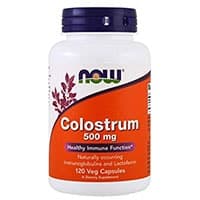
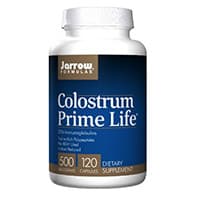
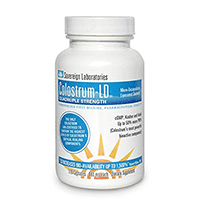
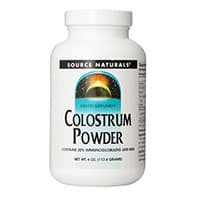
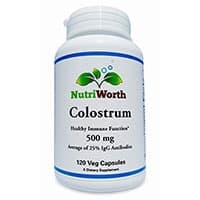
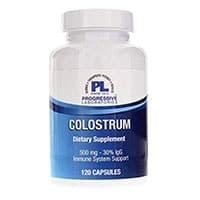
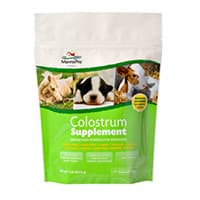
Why people buy colostrum supplements
Bovine colostrum is the early “first milk” produced by cows, collected and processed into powders or capsules for human use. Marketing often emphasizes immune proteins (such as immunoglobulins), growth factors, and gut-barrier–adjacent wellness language—especially among athletes, frequent travelers, and people experimenting with recovery routines. This guide stays educational: colostrum is a dairy-derived biological product, not a guaranteed immune upgrade, and it is not appropriate for everyone.
If you have a milk allergy, significant lactose intolerance, or take immune-suppressing medications, discuss colostrum with a qualified clinician before trying it. If you are pregnant or breastfeeding, get professional guidance rather than relying on influencer defaults.
Below the shortlist, we cover processing quality, immunoglobulin labeling, realistic expectations, and common mistakes. For how we evaluate products in ranked guides, see our methodology.
How to use this guide
Use the ranked list as a safety-and-quality filter first: colostrum varies by sourcing, collection timing, processing (pasteurization/low-temperature drying), and testing. Decide whether you want a straight colostrum powder (flexible dosing, taste considerations) or capsules (convenience, higher pill burden at meaningful servings).
Readers often compare colostrum with other protein-adjacent and gut-health categories. If your primary goal is connective-tissue protein intake, collagen supplements cover a different product class with different label norms. If you are weighing targeted microbial support, read our probiotic supplements guide—similar “gut routine” purchase intent, different mechanisms and CFU labeling. For straightforward animal-protein powders aimed at daily protein totals, egg protein powders help contrast classic macro nutrition with colostrum’s specialized positioning.
What to look for
Low-temperature processing and safety reality
Because colostrum is a biological dairy product, manufacturing matters: collection hygiene, heat treatment, and contamination control are not “nice-to-haves.” Prefer brands that explain processing in plain language and publish third-party testing where available.
Immunoglobulin (IgG) claims: useful when quantified
Some products advertise IgG content per gram or per serving—helpful for comparing two transparent formulas. If a brand leans on immune storytelling without measurable specs, treat that as a comparison-shopping weakness.
Purity: fillers, flavors, and “colostrum blends”
Check whether you are buying mostly colostrum or a small sprinkle inside a large proprietary mix. Sweeteners and creamers can turn a serious product into a flavored drink mix—fine if that is your intent, misleading if you thought you bought pure powder.
Allergy and tolerance
Dairy allergy is a hard stop for many people. Even without classic allergy, some users report bloating or GI upset—responses vary. Start conservatively unless a clinician advises a specific protocol.
Who should be especially cautious
- Immunocompromised individuals: biological products deserve specialist input.
- Organ transplant and immune-modulating therapies: do not improvise.
- Competitive athletes: verify anti-doping guidance for your sport—this guide cannot certify eligibility.
Mistakes to avoid
- Confusing colostrum with standard whey protein. Similar dairy aisle, different product goals and labeling.
- Expecting illness prevention from a scoop. Hygiene, sleep, nutrition, and vaccines (where appropriate) dominate real-world resilience.
- Ignoring serving math. Effective daily amounts may mean multiple scoops or capsules—calculate before you buy.
- Buying solely from “gut healing” aesthetics. Demand specs and credible manufacturing detail.
FAQs
What is colostrum?
In supplements, “colostrum” usually means bovine colostrum processed into powder or encapsulated products. It is not an essential nutrient; it is an optional dairy-derived supplement.
Is colostrum lactose-free?
Not necessarily. If lactose bothers you, treat colostrum like other dairy products unless the label states otherwise and you tolerate it personally.
What does colostrum taste like?
Unflavored powders can taste creamy or mildly “dairy-forward.” Flavored versions mask taste at the cost of extra ingredients—read the nutrition facts.
What side effects are commonly discussed?
Bloating, gas, or loose stools appear in anecdotal reports—responses vary. Stop and seek medical advice for allergic symptoms (hives, throat swelling, breathing difficulty).
Can kids take colostrum?
That is a pediatric clinician decision—not a supplement-blog default.
How long should I evaluate a transparent product?
Digestive and subjective energy signals are noisy. If you trial colostrum, keep servings stable for several weeks while holding diet, travel, sleep, and training as constant as practical—then reassess honestly.
How we shortlist products
Our rankings reward credible sourcing and processing transparency, quantified immunoglobulin claims when advertised, fair value for actual colostrum content, and practical fit—pure powder versus flavored systems versus capsules. Rankings are editorial guidance, not medical advice. For the full framework, read the methodology page.
Bottom line
Colostrum supplements can be a coherent choice if you want a dairy-derived product with a distinct immune-protein story—but “natural” is not synonymous with risk-free, especially around allergies and immune-modulating medical care. Prioritize manufacturing credibility, quantify what you can on the label, and treat dramatic marketing claims with skepticism.
Use the shortlist to identify trustworthy candidates, then choose based on taste tolerance, daily convenience, and whether you truly want colostrum as a focused ingredient or as part of a broader gut stack.