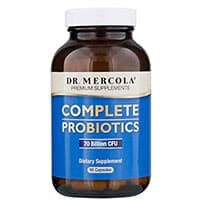
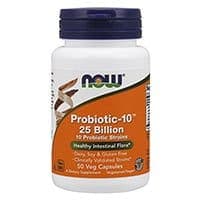
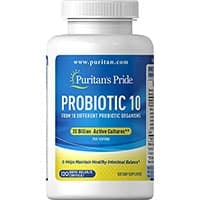
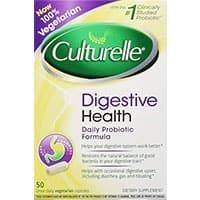
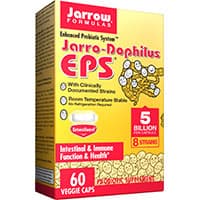
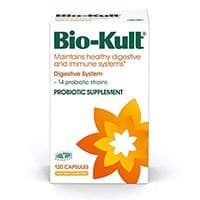
What probiotic supplements are (live microbes, strain names, and why “50 billion CFU” is not a personality)
Probiotics are live microorganisms—often Lactobacillus and Bifidobacterium species, sometimes Saccharomyces boulardii (a beneficial yeast)—sold in capsules, powders, and sachets for digestive symptoms, antibiotic-associated disruption, traveler’s diarrhea prevention conversations, and broader “gut health” marketing. The ingredient that actually matters is not the biggest CFU number on the front label; it is whether the product identifies strains (not only genus), survives manufacturing honesty, matches any evidence discussion to the right endpoint, and fits your medical risk profile.
This guide is educational, not medical advice. If you are immunocompromised, have a central venous catheter, have short gut or complex IBD, are critically ill, or you take immunosuppressive medications, probiotics are not automatically “safe because natural”—clinician guidance matters. If you have fever, bloody stools, severe abdominal pain, or unexplained weight loss, seek medical evaluation rather than escalating CFUs.
How to use this guide
The shortlist favors strain-level disclosure (ideally with strain identifiers), credible viability and shelf-stability testing language, conservative claims that match the strain evidence map, and brands that do not sell “microbiome rewiring” as a cure-all. The body below helps you match product categories to realistic goals, avoid stacking five conflicting gut powders, and understand why prebiotic fiber often matters as much as live culture headcount.
If your gut routine is missing the boring part—fermentable fiber and consistent meals—start with our fiber supplements guide, because many people buy probiotics while under-eating the substrates those bacteria would actually eat. If your symptom picture is mostly regularity and stool bulk, psyllium supplements is the soluble-fiber lane where choking precautions and gradual titration matter more than CFU marketing—sometimes the right tool is fiber, not another dozen lactobacilli. If you are comparing acidic “gut” drinks, apple cider vinegar products is a useful contrast category for acid load, enamel risk, and stack math—different mechanism entirely, often sold beside probiotics in the same mental shopping cart.
What to look for on a probiotic label
Strain identity beyond genus species fairy dust
“Lactobacillus acidophilus” without strain codes is a weak signal; serious products often list strains tied to specific studied endpoints—or they should admit they are selling a generic blend.
CFU at end of shelf life versus “time of manufacture” games
CFU should be meaningful at expiry, not a flex number that collapses before you finish the bottle.
Colony-forming units versus total cell claims
Marketing mixes CFU with vague “cells” language; compare apples to apples when possible.
Spore-forming blends versus traditional lactic acid bacteria
Different categories have different tolerance and evidence conversations; “spore” is not automatically superior—transparency beats adjectives.
Prebiotics included in the capsule: FOS, GOS, inulin
Some people tolerate synbiotics well; others get gas and urgency—start conservative if you are IBS-sensitive.
Storage and travel reality
Refrigerated chains matter for some products; shelf-stable claims should be credible, not magical.
Who probiotics may be appropriate for (and who should not self-start)
Some adults use probiotics for mild functional GI complaints, around antibiotics when a clinician agrees, or for specific traveler-prevention strategies discussed with professionals. High-risk medical contexts require individualized decisions—not influencer defaults.
Evidence expectations: IBS, antibiotic-associated diarrhea, and “immune support” fog
Evidence is strain-specific and endpoint-specific; genus-level marketing cannot inherit study results like a family fortune. A grounded stance is: match strain claims to your goal, and if no strain match exists, treat the product as a generic experiment with modest expectations.
Mistakes people make with probiotics
- Chasing CFU inflation while ignoring strain relevance.
- Stacking probiotics + cleanses + fiber explosions on day one.
- Expecting cure-all outcomes from a capsule while sleep and stress stay chaotic.
- Ignoring gas and bloating as “die-off” without medical red flags.
- Replacing colon cancer screening with bottles.
Compare two probiotic labels in 60 seconds
- Step 1: strains listed with identifiers?
- Step 2: CFU defined at expiry?
- Step 3: prebiotic add-ins disclosed?
- Step 4: allergen statements credible?
- Step 5: third-party viability testing language?
What to monitor in the first 2–4 weeks
Track stool pattern, bloating, cramping, and any new rash or fever (rare infection signals in high-risk hosts deserve urgent care, not supplement escalation). If symptoms worsen or red-flag GI features appear, stop and seek medical evaluation.
FAQs
Do probiotics need to be refrigerated?
Some do; some are formulated for shelf stability. Follow the label’s storage chain you can actually maintain—if you travel constantly, choose a product whose stability story matches your life.
Can I take probiotics with antibiotics?
Timing and strain choice matter; some clinicians advise separation hours; some patients are advised to avoid certain products depending on risk. Pharmacist and prescriber coordination beats generic internet spacing rules.
Will probiotics cure IBS?
Some strains have trial support for some symptom endpoints; IBS remains heterogeneous. If pain is severe or alarm features exist, medical evaluation beats stronger CFUs.
Are probiotics safe in pregnancy?
Sometimes, for specific products and contexts—obstetric guidance wins over retail copy.
Why do I feel worse on probiotics?
Gas, osmotic shifts from prebiotics, dose jumps, or simply the wrong product class for your gut can all happen—titration and product class changes beat heroic suffering.
How long should I trial one product?
If no red flags, a few weeks of consistent use is a common personal experiment window—long enough to notice tolerance patterns, not so long you mythologize placebo seasonality.
How we shortlist products on this page
We prioritize strain transparency, viability credibility, conservative medical-risk framing, and brands that do not sell microbiome mysticism as disease treatment. For how we evaluate products across the site, read our methodology.
Bottom line
The best probiotic is rarely the highest CFU—it is the one with strain honesty you can match to your goal, storage you can maintain, and tolerance you can live with—often alongside fiber and food habits that actually feed a stable routine.
If bowel habits change in ways that matter medically, endoscopy and diagnosis beat another pink bottle.