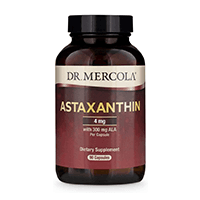
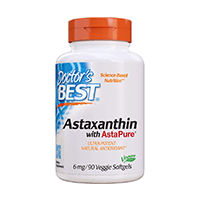
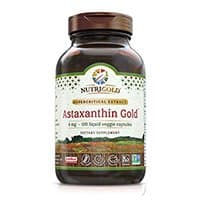
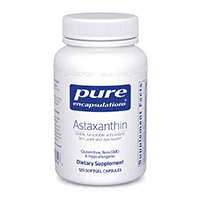
What astaxanthin supplements are (and where the pigment actually comes from)
Astaxanthin is a carotenoid pigment (same broad family as beta-carotene, though astaxanthin is not “vitamin A the same way” in consumer messaging). Most serious supplements use astaxanthin grown from the microalga Haematococcus pluvialis, which produces astaxanthin as a stress pigment—then concentrates it into softgels, often with a fatty carrier because astaxanthin is lipophilic (absorbs better with meals that contain fat).
Marketing often points to skin UV exposure language, exercise recovery, eye comfort, and “antioxidant capacity” comparisons. Human evidence is real in places, but uneven across outcomes—so the best shopping strategy is still boring: clear mg per serving, credible sourcing, honest oil carriers, and realistic timelines (weeks, not hours).
This guide is educational, not medical advice. If you are pregnant or breastfeeding, take anticoagulants, have hormone-sensitive conditions, or take multiple medications, discuss astaxanthin with a clinician—especially if you already take fish oil, krill oil, or other lipid-heavy stacks.
How to use this guide
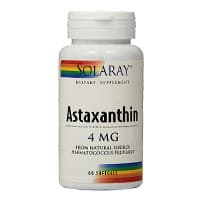
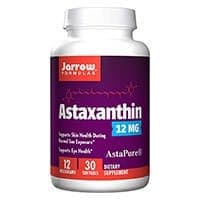
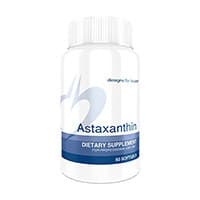
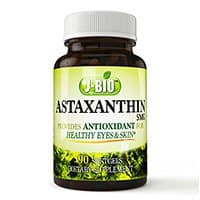
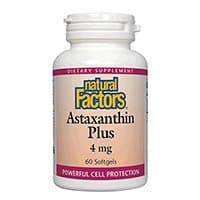
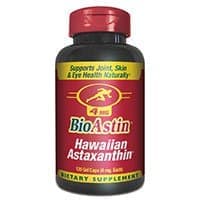
The shortlist helps you compare products on label honesty (mg astaxanthin per softgel), manufacturing credibility, and whether the brand is selling a meaningful daily dose versus a sprinkle inside a “beauty antioxidant” blend. The body below helps you match astaxanthin to your goal—skin routine support versus exercise versus eye-comfort cross-shopping—without duplicating entire other categories by accident.
If your shopping started from “eye antioxidant” aisles, compare expectations with bilberry (anthocyanin-heavy berry extracts) and remember that astaxanthin is a carotenoid lane, not the same chemistry story. If your real priority is EPA/DHA intake for cardiovascular or marine omega-3 goals, align purchases with fish oil—astaxanthin is not a substitute for marine omega-3 dosing math. If you like phospholipid-form marine oils that sometimes include astaxanthin as a natural component, review dose clarity separately in krill oil so you do not double-count actives across bottles.
What to look for in an astaxanthin supplement
Milligrams per serving (the only headline that matters)
Look for explicit mg of astaxanthin per softgel (or per daily serving). If the label dances around “blend totals” or hides astaxanthin in proprietary matrices, you cannot compare products fairly.
Haematococcus pluvialis sourcing and extraction credibility
Serious products usually name the algae source and provide manufacturing context. Vague “natural astaxanthin” language without identity detail is weaker.
Carrier oil quality
Softgels typically include oils to support absorption and stability. Prefer brands that disclose carrier oils clearly and treat oxidation risk seriously (packaging, dating, storage guidance).
Standalone astaxanthin vs beauty mega-blends
Blends with collagen, biotin, vitamins, and “radiance” herbs can be fine, but they make attribution harder. If your goal is to evaluate astaxanthin itself, start simpler.
Stack overlap: avoid accidental double-buying
If you take krill oil, some algae oils, or multi-antioxidant stacks, scan for overlapping astaxanthin content before “adding another antioxidant.”
Who astaxanthin is often a fit for (and who should be cautious)
Often a reasonable fit when
- You want a structured trial for exercise recovery or skin-support goals with stable sun protection habits (sunscreen still wins).
- You can take it with a fat-containing meal consistently.
- You read labels to prevent redundant stacking.
Use extra caution when
- Anticoagulant/antiplatelet polypharmacy—lipid-heavy antioxidant stacks deserve pharmacist review.
- Pregnancy or breastfeeding without clinician-directed choices.
- You expect astaxanthin to replace medical dermatology for changing moles, severe rashes, or vision loss.
Compare two astaxanthin labels in 60 seconds
- Step 1: mg astaxanthin per softgel stated plainly?
- Step 2: Daily servings and total daily mg?
- Step 3: Haematococcus pluvialis identity and extraction credibility?
- Step 4: Carrier oils and allergen statements?
- Step 5: Price per mg astaxanthin at your intended dose?
Common mistakes that waste money
- Buying “astaxanthin complexes” without knowing the astaxanthin fraction.
- Taking it without dietary fat and then declaring “supplements do not work.”
- Expecting sunscreen results from a capsule while changing UV exposure wildly week to week.
- Stacking multiple carotenoid products without noticing overlap.
- Judging skin outcomes in 48 hours—unrealistic timelines create false negatives.
What to monitor in the first 4–8 weeks
If your clinician agrees, track exercise soreness patterns with stable training, sleep quality, skin tolerance (breakouts happen for some users when oils change), headache, and GI upset. Stop for severe allergic symptoms, unusual bruising when on blood thinners, or vision changes that need urgent ophthalmology evaluation.
FAQs
What is astaxanthin used for?
Common marketing themes include exercise recovery, skin support in sun-exposed lifestyles, and general antioxidant positioning. Evidence varies by outcome; treat personal trials as modest experiments with clear dosing.
Is astaxanthin better than fish oil?
They solve different problems. Fish oil is primarily an EPA/DHA omega-3 purchase; astaxanthin is a carotenoid purchase. Do not substitute one for the other based on marketing overlap.
Does krill oil already contain astaxanthin?
Some krill products include astaxanthin naturally or as a component of the oil, but amounts differ. Read each label rather than assuming equivalence.
Can astaxanthin turn skin orange?
High carotenoid intake can cause carotenodermia (skin yellowing/orange tint) in some cases—usually dose and duration related. If skin color changes are confusing, involve a clinician.
Should astaxanthin be taken with food?
Usually yes—fat improves absorption for lipophilic carotenoids.
Is astaxanthin safe in pregnancy?
Do not self-prescribe; pregnancy supplement decisions should be clinician-directed.
How we shortlist products on this page
We prioritize transparent mg dosing, credible algae sourcing, oxidation-aware manufacturing, and claims that stay inside plausible evidence boundaries. For how we evaluate products across the site, read our methodology.
Bottom line
Astaxanthin can be a reasonable option for adults who want a well-labeled carotenoid trial for exercise- or skin-support goals—when doses are real, carriers are sane, and expectations are measured in weeks. It is not a replacement for sun protection, ophthalmology care, or marine omega-3 strategies when those are what you actually need.
If your supplement pile is becoming a rainbow of overlapping antioxidants, simplify until you can explain what each bottle is doing—otherwise you are buying peace of mind, not a plan.