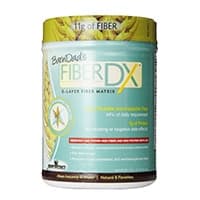
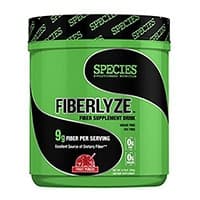
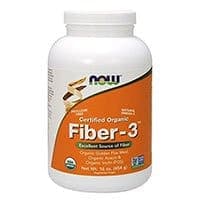
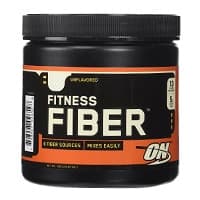
What fiber supplements are (soluble, insoluble, and why “more fiber” is not always gentler)
Fiber supplements concentrate dietary fiber into powders, capsules, chewables, or wafers—commonly psyllium husk (mostly soluble), methylcellulose, calcium polycarbophil, inulin/FOS, wheat dextrin, or blends marketed for regularity, cholesterol support conversations, and “gut health.” Fiber can be genuinely useful when food habits are hard to change quickly, but it can also create gas, bloating, urgency, and (for some products) choking risk if taken dry without enough fluid.
This guide is educational, not medical advice. If you have IBS with mixed symptoms, suspected SIBO, inflammatory bowel disease, a history of esophageal narrowing or dysphagia, or you take medications where absorption timing matters, fiber is not a neutral “always safe” add-on—clinician and pharmacist guidance matters, especially before aggressive dosing.
How to use this guide
The shortlist favors transparent fiber type per serving, honest instructions about fluids, credible manufacturing and contaminant testing for botanical powders, and brands that do not sell fiber as a punishing cleanse. The body below helps you match fiber form to your symptom pattern (constipation versus loose stools), ramp doses without social gas disasters, and avoid confusing fiber supplements with laxative teas or carb-blocking fantasies.
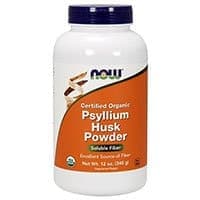
If your goal is classic soluble bulk with strong evidence culture around regularity, start with our focused page on psyllium supplements—same ingredient family many doctors discuss for constipation, but still requiring correct fluid habits and swallowing safety. If you are stacking fiber with live cultures, read probiotic supplements so you understand why synbiotic stacks can explode gas when both ramp too fast—strain choice and titration beat “more organisms equals more health.” If you are comparing fiber inside big “greens” blends, green supplements is the category where prebiotic fibers hide alongside algae and caffeine add-ins—useful context before you buy three overlapping tubs.
What to look for on a fiber label
Soluble versus insoluble: symptoms drive the choice
Some fibers bulk stool and soften constipation; others change colonic osmotics differently. “Natural” does not mean “matches your IBS subtype.”
Grams per serving and titration plans
Jumping from low fiber intake to heroic doses is how people quit in week one. Increase gradually across several days while fluids rise in parallel.
Fluid requirements and choking precautions
Psyllium and similar bulking fibers can swell; dry swallowing is dangerous for some people. Follow label fluid instructions literally.
FODMAP and fermentability: inulin is not “gentle” for everyone
Inulin/FOS can help some microbiomes and torture others with gas—personal tolerance dominates influencer certainty.
Added sugars and “fiber gummies”
Gummies can work for compliance; they can also smuggle calories and still cause GI upset if dose ramps too fast.
Drug timing interactions
Fiber can interfere with absorption windows for some medicines—separation strategies are common; pharmacist review beats guessing.
Who fiber supplements may be appropriate for (and who should be careful)
Fiber can help constipation-predominant patterns, travel disruption, and low-fiber diets when ramped sensibly. Use extra caution with active IBD flares, unexplained iron deficiency anemia, rectal bleeding, or rapid unintentional weight loss—those are evaluation triggers, not reasons to megadose husk.
Evidence expectations: cholesterol, blood sugar, and weight marketing
Soluble fiber has legitimate discussions in cholesterol and post-meal glucose contexts for some people, but supplements are not a substitute for medical nutrition therapy when disease is present. A grounded stance is: match fiber type to your measured goal, track symptoms honestly, and involve clinicians when labs or alarm features matter.
Mistakes people make with fiber
- Ramping dose overnight then declaring fiber “doesn’t work.”
- Under-drinking water and worsening constipation—or risking obstruction symptoms.
- Dry-scooping psyllium because influencers normalized it.
- Stacking fiber + laxative teas + magnesium without reading panels.
- Ignoring bleeding or pain as “cleanse.”
Compare two fiber products in 60 seconds
- Step 1: fiber type named (psyllium, inulin, methylcellulose, etc.)?
- Step 2: grams fiber per serving clear?
- Step 3: fluid instructions explicit?
- Step 4: added sugars on gummies?
- Step 5: third-party testing for botanical powders?
What to monitor in the first 1–2 weeks
Track stool frequency, ease of passage, bloating, gas pain, and reflux if doses are large before bed. If you develop severe abdominal distension, vomiting, or inability to pass gas with pain, seek urgent care—possible obstruction symptoms are not a fiber adjustment phase.
FAQs
Which fiber is best for constipation?
Psyllium is a common first-line soluble bulking choice for many adults, but individual tolerance and medical context still matter—your clinician wins ties.
Can fiber help diarrhea?
Some soluble fibers can help certain diarrhea patterns; others worsen gas in IBS-D. If diarrhea is new, bloody, or accompanied by fever, medical evaluation comes first.
Will fiber help me lose weight?
Satiety can support calorie control for some people; fiber is not a thermodynamic loophole.
Can I take fiber with metformin or thyroid medication?
Timing and absorption interactions exist for some drugs—pharmacist review beats forum spacing rules.
How long should I trial one product?
If ramping is disciplined, two to three weeks often reveals tolerance and stool pattern changes—long enough to notice real signal, not so long you mythologize placebo.
How we shortlist products on this page
We prioritize fiber-type clarity, fluid and choking-safety realism, conservative medical framing for alarm symptoms, and contaminant testing credibility for high-dose powders. For how we evaluate products across the site, read our methodology.
Bottom line
Fiber supplements are a practical tool when dose increases are gradual, fluids are adequate, and the fiber type matches your gut. The best product is the one you can tolerate consistently—because abandoned fiber is the most expensive kind: the kind that never gets a fair trial.
If bowel habits change in ways that matter medically, endoscopy and diagnosis beat another tub.