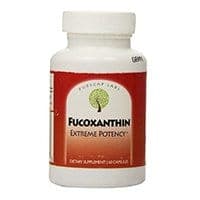
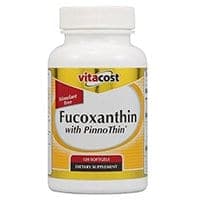
Why people shop fucoxanthin supplements
Fucoxanthin is a carotenoid found in brown seaweeds (such as wakame and other marine algae), and it is most often marketed for body-composition support, metabolic wellness, and antioxidant benefits. In supplement terms, this is a category that attracts shoppers who want a non-stimulant alternative to aggressive fat-burner stacks. That interest makes sense — but it also creates unrealistic expectations when products are sold as “metabolism unlock” shortcuts without clear active disclosure.
In practical use, fucoxanthin tends to work best as a small supportive tool inside a structured routine: consistent calorie control, protein intake, training, sleep, hydration, and stress management. If those pillars are missing, even a high-quality fucoxanthin product usually feels underwhelming. If those pillars are present, a transparent formula may still only provide modest, gradual support rather than dramatic week-one scale changes.
This guide is educational and not medical advice. If you have thyroid disease, iodine-sensitive conditions, seafood/seaweed sensitivities, liver disease, or use metabolic medications, discuss fucoxanthin supplementation with a qualified clinician before use. Pregnancy and breastfeeding are not appropriate contexts for unsupervised concentrated marine-botanical supplementation.
How to use this guide
Use the ranked list as a quality-and-fit filter, not as a treatment protocol. Start with one clear objective:
- Body-composition support during a structured calorie deficit
- Metabolic-support routine with low stimulant burden
- Marine-antioxidant stack refinement with minimal overlap
Then choose a product that matches your routine reality. If a label requires complex multi-dose timing and you already struggle with supplement adherence, the product is likely to fail regardless of ingredient quality. Consistency beats theoretical perfection.
Many shoppers compare fucoxanthin with other marine categories. For iodine-forward brown-seaweed support discussions, see our kelp supplements guide. For broader seaweed-botanical routines with thyroid-caution context, review our bladderwrack supplements guide. If your primary interest is algae-based nutrient density rather than fucoxanthin-focused formulas, compare with our spirulina supplements guide.
For full ranking criteria and cross-site product evaluation standards, see our methodology.
Who this category is for (and who should pause first)
Usually a better fit for
- Users who already have a stable diet/training plan and want a conservative adjunct.
- People seeking lower-stimulant body-composition support compared with caffeine-heavy formulas.
- Shoppers who prioritize active-disclosure transparency over “thermogenic” marketing language.
Usually a poor fit for unsupervised use
- Anyone expecting supplement-only fat loss without changing intake and activity patterns.
- Users with unresolved thyroid concerns or medication complexity without clinician review.
- People stacking multiple fat-loss and seaweed products simultaneously without tracking overlap.
How to compare two fucoxanthin labels in 60 seconds
- Step 1: Confirm exact fucoxanthin amount per serving (not just “seaweed complex” mg).
- Step 2: Check whether the source extract is clearly identified and standardized.
- Step 3: Check if formula includes added stimulants or “metabolic blend” extras.
- Step 4: Confirm serving schedule and practical adherence fit.
- Step 5: Calculate monthly cost at actual use, not bottle headline serving.
If fucoxanthin amount is hidden behind proprietary wording, skip it. In this category, active transparency is the minimum quality threshold.
What to look for in a fucoxanthin supplement
Active fucoxanthin disclosure
Strong labels clearly state the amount of fucoxanthin per serving, not just total seaweed extract weight. This distinction is crucial because “brown seaweed blend” products can look potent while delivering low active fucoxanthin.
Source quality and marine context
Marine-derived products should disclose sourcing and basic quality controls clearly. If your thyroid profile is sensitive, ingredient context and clinician guidance matter even more.
Single ingredient vs fat-loss blend formulas
Some products pair fucoxanthin with caffeine, green tea, capsaicin, or appetite suppressants. Blends may look comprehensive but often add side-effect noise. If you want to evaluate fucoxanthin itself, a simpler formula generally gives better signal quality.
Dosing practicality and routine fit
A useful product should fit your real schedule. If taking it correctly is difficult, outcomes become inconsistent and motivation drops quickly.
Tolerance and GI response expectations
Some users report mild GI changes when introducing marine extracts. A conservative start and stable routine usually produce cleaner feedback than aggressive dosing changes.
Common mistakes that waste money
- Buying by “marine fat burner” marketing without active fucoxanthin numbers.
- Stacking fucoxanthin with 3-4 other fat-loss products on day one.
- Ignoring total seaweed/marine overlap in a supplement routine.
- Expecting fast scale drops without calorie consistency and protein discipline.
- Changing diet, training, sleep, and supplements simultaneously. This destroys interpretability.
What to monitor in your first 2-4 weeks
If your clinician supports a trial, track:
- Appetite and meal consistency: hunger timing, portion control, and snack behavior.
- Energy stability: daytime function without stimulant spikes/crashes.
- Tolerance: GI comfort, headaches, unusual fatigue, or other symptom shifts.
- Adherence: whether the protocol is practical enough for daily consistency.
- Outcome trend quality: weekly trend patterns and behavior consistency, not daily fluctuations.
Stop and seek medical guidance if side effects are persistent, if you notice significant thyroid-symptom changes, or if any concerning systemic symptoms appear.
FAQs
What is fucoxanthin used for in supplements?
Most products market fucoxanthin for body-composition and metabolic-support routines, with additional antioxidant positioning. It is a supplement category, not a replacement for weight-management fundamentals or medical care.
Is fucoxanthin a stimulant?
Fucoxanthin itself is generally positioned as a non-stimulant carotenoid, but many formulas include stimulants. Always read full labels for added caffeine or thermogenic ingredients.
Can I take fucoxanthin every day?
Some users do, but daily use should match your medication context, tolerance, and clinician guidance where relevant.
What side effects are commonly discussed?
Some users report mild digestive upset or tolerance variability, especially with blended products. Responses vary by dose, formula complexity, and individual sensitivity.
Can I combine fucoxanthin with caffeine-based fat burners?
Possible, but that increases stack complexity and side-effect risk. Most users do better starting with one major variable.
How long should I trial one product?
If medically appropriate, run one transparent formula for 2-4 weeks with stable nutrition and training habits before judging outcomes.
Is fucoxanthin better than green tea extract?
Not universally. They are different categories with different stimulant profiles and use-case fit. Choose based on tolerance, goal, and stack simplicity.
Bottom line
Fucoxanthin supplements can be a useful low-stimulant adjunct in a structured body-composition plan, but they are not high-impact shortcuts. The best product is usually one with clear active disclosure, minimal unnecessary blend complexity, and a serving schedule you can follow consistently.
Keep expectations realistic, keep your stack simple, and evaluate outcomes based on repeatable habits. If your health profile is complex, use fucoxanthin only as a clinician-reviewed support tool.