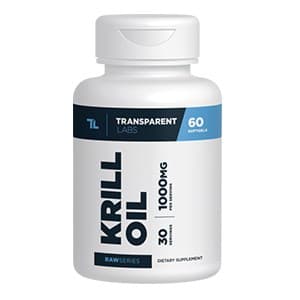
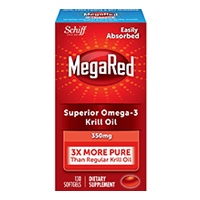
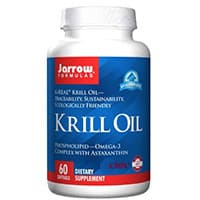
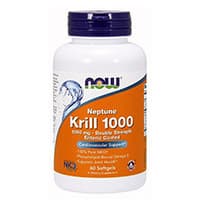
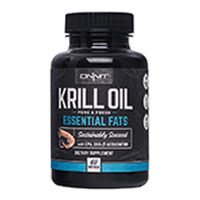
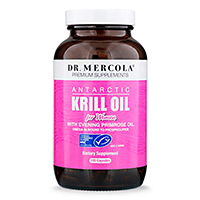
Why people consider krill oil supplements
Krill oil is an omega-3 dietary supplement sourced from tiny Antarctic krill, typically marketed as a source of EPA and DHA carried in phospholipids, often alongside the carotenoid astaxanthin that contributes to krill oil’s reddish color. Shoppers usually arrive from one of two lanes: they want an alternative to fish oil capsules, or they want a compact softgel routine with a different “feel” and digestion story. Neither preference guarantees superiority—your label math and your tolerance still decide the winner.
This guide is educational, not medical advice. Omega-3 supplements can interact with anticoagulant and antiplatelet medications and may not be appropriate for everyone around surgery. If you have cardiovascular disease, a bleeding disorder, seafood allergies, or you are pregnant or breastfeeding, discuss new supplements with a qualified clinician.
Below the shortlist, we cover how to read EPA/DHA amounts, oxidation risk, realistic comparisons with fish oil, and common shopping mistakes. For how we evaluate products in ranked guides, see our methodology.
How to use this guide
Use the ranked list as a quality-first filter for brands that disclose omega-3 content clearly—not as proof of a clinical outcome. Krill oil products vary widely in mg of EPA + DHA per serving, softgel size, price per milligram of omega-3, and whether marketing emphasizes phospholipids, astaxanthin, or sustainability certifications.
If you are deciding between marine omega-3 sources, compare categories honestly. Our fish oil supplements guide covers the most common EPA/DHA format and typical value patterns. If your interest is phospholipid-adjacent nutrition more broadly, lecithin supplements explain a different ingredient class with different goals. Because krill oil is often discussed alongside astaxanthin content, our astaxanthin supplements guide helps separate standalone carotenoid products from what krill oil already provides.
What to look for
EPA and DHA on the supplement facts (not just “1,000 mg krill oil”)
Front-label milligrams can obscure what you care about most: how much EPA and DHA you get per serving. Compare products using those numbers, then calculate cost per 100 mg combined EPA+DHA if you are budgeting seriously. A large softgel with a pretty label is not a bargain if the active omega-3 fraction is low.
Phospholipids: useful context, not magic
Krill oil’s phospholipid carrier is a real differentiator versus many ethyl ester fish oils, but individual digestion and burp-back vary. If phospholipid form matters to you, prioritize brands that quantify what they mean rather than relying on adjectives alone.
Oxidation, freshness, and smell
Polyunsaturated oils can oxidize; rancid capsules are a quality problem, not a personality quirk. Look for manufacturing freshness cues, responsible packaging, and—when available—analytical testing language (peroxide/anisidine proxies consumers rarely see directly, but “tested for purity” with specifics beats silence).
Sustainability and sourcing claims
If harvest ethics matter to you, seek credible certifications and transparent sourcing narratives you can verify. Marketing phrases like “from pristine waters” are not substitutes for chain-of-custody detail.
Allergies, surgery, and medication overlap
- Shellfish allergy: krill is a crustacean—this category may be inappropriate; ask an allergist rather than guessing.
- Anticoagulants and bleeding risk: medical guidance is essential; do not stack blood thinners and omega-3s casually.
- Upcoming surgery: many teams want consistent supplement rules pre-op—follow your care team.
Mistakes to avoid
- Buying “krill” without EPA/DHA clarity. You are purchasing omega-3s—demand numbers that reflect that intent.
- Assuming krill oil replaces diet quality. Fatty fish and a balanced eating pattern still matter for most people.
- Chasing astaxanthin hype inside krill. Krill contains some carotenoid content; if you want a targeted astaxanthin dose, compare purpose-built products using their supplement facts.
- Ignoring capsule count per day. A “one softgel” front label sometimes means two or three daily servings when you read the directions.
FAQs
Is krill oil better than fish oil?
“Better” depends on your goals: EPA/DHA dose per dollar, capsule size, digestion, ethics, and personal tolerance. Some people prefer krill softgels; others get excellent results from high-quality fish oil. Compare EPA+DHA first, then everything else.
Why are krill oil bottles often smaller softgels?
Marketing frequently emphasizes this, but sizes vary by brand and concentration. Read milligrams and serving size rather than trusting photography.
What side effects are commonly discussed?
Fishy aftertaste, burping, loose stools, and nausea appear in anecdotal reports—responses differ. Stop and seek medical advice for allergic symptoms, unusual bruising, or bleeding concerns.
Can I take krill oil with other omega-3 products?
Stacking can duplicate total omega-3 intake unexpectedly. If you use multiple sources, calculate combined EPA+DHA and discuss totals with a clinician—especially on blood thinners.
How should I store it?
Follow label storage guidance; avoid hot cars and sunny counters. Oxidation is a product-quality issue, not a minor inconvenience.
Is krill oil vegan?
No—krill is an animal source. Vegan EPA/DHA typically comes from algae-derived products; compare categories intentionally if plant-based sourcing is non-negotiable.
How we shortlist products
Our rankings reward transparent EPA/DHA labeling, credible purity and sourcing cues, fair value for active omega-3 content, and practical fit (softgel burden, freshness reputation). Rankings are editorial guidance, not medical advice. For the full framework, read the methodology page.
Bottom line
Krill oil can be a coherent choice if you want phospholipid-carried EPA/DHA in a marine product category that often includes natural astaxanthin—but only when the supplement facts justify the price with clear omega-3 numbers. Compare like with like, watch for rancidity, and treat bleeding risk and shellfish allergy as non-negotiable medical topics.
Use the shortlist to narrow transparent candidates, then decide based on daily capsule load, cost per milligram of EPA+DHA, and whether your priorities align with krill-specific benefits versus a high-quality fish oil alternative.