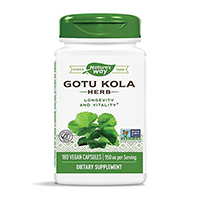
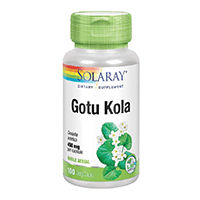
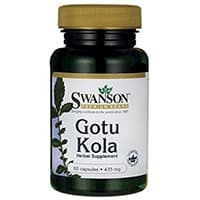
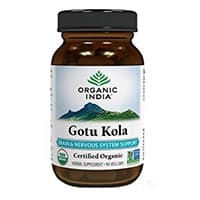
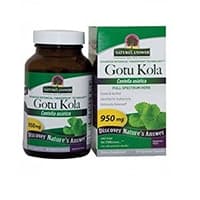
Why people shop gotu kola supplements
Gotu kola (Centella asiatica) is a botanical used in traditional systems and modern supplements for cognitive support, stress resilience, skin-health support, and circulation-adjacent wellness. It is one of those categories with broad marketing language and multiple use paths, which makes it easy to buy the wrong product for your actual goal. Some formulas are positioned as “brain herb” products, others as beauty/skin support, and others as venous-circulation support blends. Same plant name, very different shopper intent.
The practical takeaway: gotu kola works best as a focused trial around one objective at a time. If you try to solve memory, sleep, stress, skin texture, and leg-circulation discomfort all at once with one bottle, your expectations will outpace what any supplement can realistically deliver.
This guide is educational and not medical advice. If you have liver disease, take sedatives or psychiatric medications, use anticoagulants, have significant vascular disease, or are pregnant/breastfeeding, discuss gotu kola with a qualified clinician before use. Persistent swelling, skin ulceration, neurological symptoms, or severe mood changes need clinical evaluation, not supplement-only troubleshooting.
How to use this guide
Use the ranked products as a quality-and-fit filter, not a diagnosis or treatment plan. Begin with one clear goal:
- Cognitive support (focus, mental fatigue management)
- Stress-linked wellness support in non-sedative daytime routines
- Skin/collagen-adjacent support within broader nutrition and lifestyle plans
When your goal is clear, choose a format and formula that match it. Capsules are usually easiest for consistent trials. Powders and blends may be useful but can introduce variability and overlap with other products. If your stack is already busy, single-ingredient gotu kola is usually the cleanest place to start.
For adjacent categories often compared in the same shopping journey, see our bacopa monnieri supplements guide for another cognition-focused botanical with a different profile, our ginkgo biloba supplements guide for circulation-memory crossover positioning, and our ashwagandha supplements guide for stress-adaptogenic support in a different mechanism lane.
For full product-evaluation standards used across the site, review our methodology.
Who this category is for (and who should avoid DIY trials)
Usually a better fit for
- Users who want a low-complexity botanical trial for one specific wellness goal.
- People who can keep sleep, caffeine, and stress routines stable for cleaner evaluation.
- Shoppers who prioritize standardized extract transparency over broad “brain and beauty” claims.
Usually a poor fit for unsupervised use
- Anyone with active liver concerns or unexplained liver-enzyme abnormalities.
- Users with severe anxiety/depression symptoms using multiple psychoactive supplements.
- People expecting rapid cosmetic or vascular outcomes without broader care and habit changes.
How to compare two gotu kola labels in 60 seconds
- Step 1: Confirm species and plant part (look for Centella asiatica and extract details).
- Step 2: Confirm mg per serving and any standardization claims (e.g., triterpenes).
- Step 3: Confirm serving schedule and whether it is practical for daily use.
- Step 4: Check whether it is standalone or hidden in multi-herb nootropic/beauty blends.
- Step 5: Check safety notes for sedation, liver caution, and medication overlap.
If active amounts are vague or proprietary, skip it. In this category, label ambiguity usually means lower decision quality.
What to look for in a gotu kola supplement
Extract transparency and standardization quality
Strong products disclose exact gotu kola extract amount and, when relevant, standardization markers. Generic “mind support blend” language without numbers is rarely worth your money.
Single ingredient vs blend complexity
Many products combine gotu kola with ginkgo, bacopa, ashwagandha, or caffeine-adjacent compounds. Blends can be convenient but make it harder to identify what is helping (or causing side effects). For first-time trials, single-ingredient formulas usually produce cleaner outcomes.
Dose realism and adherence fit
The best supplement is one you can follow consistently. If serving instructions are too frequent or complicated for your routine, long-term adherence drops and perceived effectiveness falls.
Sedation/anxiety balance and timing
Some users report calming effects, others report little subjective shift. If daytime drowsiness appears, timing and stack interactions may need adjustment before abandoning the category entirely.
Quality and contamination transparency
As with most botanicals, look for credible manufacturing disclosures and reasonable quality controls. Consistency is a practical advantage, not just a premium feature.
Common mistakes that waste money
- Buying gotu kola to solve five goals at once. One herb, one primary objective is usually a better trial strategy.
- Stacking multiple cognition botanicals immediately. This creates interpretation noise and side-effect uncertainty.
- Using supplement claims as substitute for medical workup. Persistent edema, neuropathy, or severe mood changes require clinical care.
- Ignoring sleep and stress fundamentals. These often drive “brain fog” more than any capsule.
- Choosing proprietary blends with no active disclosure. If you can’t quantify the input, you can’t evaluate the output.
What to monitor in your first 2-4 weeks
If your clinician supports a trial, track:
- Primary goal metric: focus stability, stress tolerance, skin-comfort trends, or subjective circulation comfort.
- Tolerance: GI response, headaches, drowsiness, mood shifts, or unusual fatigue.
- Sleep quality: onset, night waking, and morning clarity.
- Stack overlap: avoid adding new nootropics or adaptogens mid-trial.
- Adherence quality: can you execute this plan consistently without friction?
If concerning symptoms appear (especially significant mood change, jaundice-like symptoms, or severe swelling/pain), stop and seek medical guidance.
FAQs
What is gotu kola used for in supplements?
It is commonly marketed for cognitive support, stress-related wellness, and skin/circulation-adjacent routines. It is not a replacement for treatment of neurological, psychiatric, or vascular disease.
Is gotu kola the same as kola nut?
No. They are different plants with different compounds and effects. Do not treat them as interchangeable.
Can I take gotu kola every day?
Some users do, but daily use should match your medication and health context. If side effects persist, reassess promptly with clinician input.
What side effects are commonly discussed?
Users may report GI upset, drowsiness, headache, or skin reactions in some cases. Response varies by dose and blend complexity.
Can I combine gotu kola with bacopa or ginkgo?
Possible, but start one variable at a time. Layering cognition herbals immediately weakens your ability to evaluate tolerance and benefit.
How long should I trial one product?
If medically appropriate, keep one transparent product and stable routine for 2-4 weeks before deciding.
Can gotu kola replace stress management basics?
No. Sleep consistency, stress hygiene, movement, and workload design remain foundational.
Bottom line
Gotu kola can be a useful botanical category when your goal is clear and your product label is transparent. The best product is usually one with explicit extract disclosure, practical dosing, and minimal blend noise.
Keep the trial simple, monitor outcomes that actually matter to your goal, and avoid supplement pile-ons. If symptoms are clinically significant or worsening, prioritize medical evaluation and use supplements only as structured adjuncts.