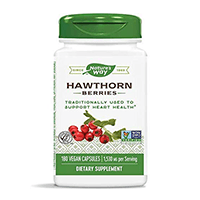
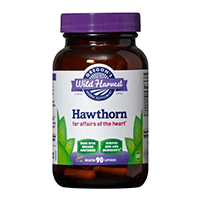
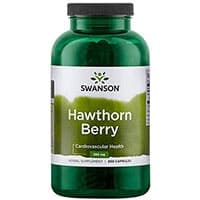
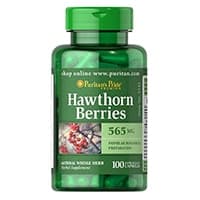
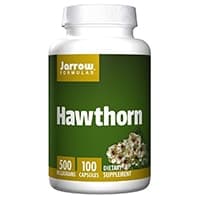
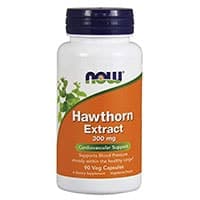
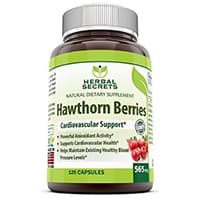
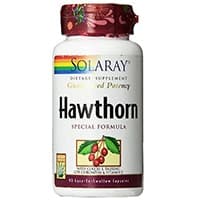
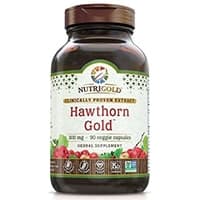
Why people shop hawthorn supplements
Hawthorn (commonly Crataegus species such as leaf, flower, and berry extracts) is one of the oldest herbal categories associated with cardiovascular wellness. Most shoppers come here for heart-health-adjacent support, circulation comfort, or blood-pressure-aware routines. That history can make the category feel trustworthy — but it can also lead people to underestimate medication interactions and overestimate what a supplement can do alone.
In practical terms, hawthorn is best treated as a supportive adjunct, not a replacement for diagnosis, prescribed treatment, or emergency care. Product quality, standardization, and context matter a lot: one transparent extract can be useful in a well-designed routine, while a vague “heart tonic blend” may add complexity without clear value.
This guide is educational and not medical advice. If you have diagnosed heart disease, arrhythmia, heart failure history, unstable blood pressure, chest symptoms, or use cardiovascular medications, discuss hawthorn with a qualified clinician before use. Sudden chest pain, shortness of breath, fainting, one-sided weakness, or severe new edema are medical emergencies and require urgent care.
How to use this guide
Use the ranked list as a quality-and-fit filter, not as a treatment plan. Start with one defined goal:
- General cardiovascular wellness support alongside lifestyle fundamentals
- Circulation-comfort support in a clinician-reviewed routine
- Stack simplification for users currently overloading multiple heart-health products
Then choose product format and dose structure that you can follow consistently. Herbal categories with cardiovascular claims fail most often when users change multiple variables at once and cannot tell what is helping or causing side effects.
If you’re comparing adjacent categories often used in heart-health routines, review our hibiscus teas and supplements guide for another blood-pressure-adjacent botanical lane, our CoQ10 supplements guide for mitochondrial/cardiac-energy support context, and our magnesium supplements guide for foundational mineral support often used in broader cardiovascular plans.
For complete product scoring and ranking criteria across the site, see our methodology.
Who this category is for (and who should avoid DIY use)
Usually a better fit for
- Users seeking conservative adjunct support with stable habits and clinician awareness.
- People willing to monitor blood pressure and symptom trends consistently.
- Shoppers who prioritize standardized extract transparency over “traditional tonic” storytelling.
Usually a poor fit for unsupervised use
- Anyone with unstable cardiovascular symptoms or recent medication changes.
- Users on complex antihypertensive, antiarrhythmic, or heart-failure medication regimens without pharmacist review.
- People expecting hawthorn to replace dietary quality, activity, sleep, and medical follow-up.
How to compare two hawthorn labels in 60 seconds
- Step 1: Confirm plant part and species context (leaf/flower/berry extract details).
- Step 2: Confirm exact extract amount per serving and any standardization marker claims.
- Step 3: Check serving frequency and whether it is practical for long-term adherence.
- Step 4: Check whether it is standalone or buried in broad cardiovascular blends.
- Step 5: Check medication cautions and quality/manufacturing transparency.
If the label is vague on extract amount or standardization, skip it. In cardio-adjacent categories, low transparency is rarely worth the risk.
What to look for in a hawthorn supplement
Extract transparency and standardization quality
High-quality products clearly disclose extract amount and, when applicable, standardization notes (for example, flavonoid/procyanidin-type marker language). You do not need perfect phytochemistry knowledge; you do need enough label clarity to compare products meaningfully.
Single ingredient vs “heart blend” complexity
Many products combine hawthorn with garlic, olive leaf, CoQ10, or magnesium. Blends can be convenient, but they make it harder to identify cause-and-effect if blood pressure, dizziness, or fatigue shifts. First-time users usually get cleaner feedback from simple formulas.
Dose practicality and daily adherence
Cardiovascular-support routines are usually about consistency, not one-time use. A modest transparent dose you can follow daily is often better than an aggressive protocol you cannot sustain.
Blood-pressure and heart-rate context
Some users notice mild blood-pressure shifts or circulation changes. If you are medication-sensitive or already borderline low BP, this should be monitored rather than guessed.
Manufacturing reliability and safety communication
Look for products with clear manufacturing practices and straightforward safety notes. In categories associated with heart-health decisions, trust in label quality is part of risk management.
Common mistakes that waste money (or delay care)
- Using hawthorn for active chest symptoms. Supplements should never delay emergency assessment.
- Stacking several blood-pressure-support products at once. This increases interaction uncertainty and symptom confusion.
- Ignoring orthostatic dizziness or unusual fatigue. These can be meaningful signs in cardiovascular routines.
- Buying “traditional heart tonic” marketing without active disclosure.
- Expecting supplement-only results while lifestyle drivers stay unchanged.
What to monitor in your first 2-4 weeks
If your clinician supports a trial, track:
- Blood pressure trend: consistent timing, same cuff, same conditions for cleaner data.
- Symptom pattern: energy, dizziness, palpitations, exercise tolerance, leg comfort.
- Tolerance: GI response, headaches, unusual fatigue, or sleep changes.
- Medication overlap: any unusual shifts should be reviewed promptly with your clinician/pharmacist.
- Adherence quality: can you sustain the protocol without routine friction?
Stop and seek medical advice quickly for worsening dizziness, syncope-like symptoms, chest discomfort, significant BP changes, or new edema.
FAQs
What is hawthorn used for in supplements?
Hawthorn is commonly marketed for cardiovascular and circulation support. It is not a replacement for treating hypertension, arrhythmia, or heart failure.
Is hawthorn safe with blood pressure medications?
Potential interactions are possible. If you use antihypertensives or cardiac meds, clinician review is important before starting.
How long should I trial hawthorn?
If medically appropriate, use one transparent product consistently for several weeks before deciding. Frequent switching weakens interpretation.
What side effects are commonly discussed?
Some users report dizziness, GI discomfort, headache, or fatigue. Responses vary with dose, formula, and medication context.
Can I combine hawthorn with CoQ10 or magnesium?
Possible, but simplify first and add one variable at a time to preserve interpretability and safety.
Can hawthorn replace my prescribed heart medication?
No. Do not discontinue or alter prescribed cardiovascular treatment without clinician direction.
Is tea equivalent to standardized hawthorn extract capsules?
No. Format and concentration differ significantly; compare products by active disclosure and practical dose consistency.
Bottom line
Hawthorn supplements can be a useful adjunct in some cardiovascular-wellness routines, but this is a context-sensitive category where transparency and safety matter more than tradition-based marketing. The best product is usually one with clear extract disclosure, practical dosing, and strong compatibility with your medical plan.
Keep your protocol simple, monitor objective trends, and treat any red-flag symptoms as medical priorities. In heart-health categories, caution and consistency beat aggressive supplement stacking.