Why people buy hibiscus teas and supplements
Hibiscus—often Hibiscus sabdariffa in teas and extracts—shows up as tart crimson infusions, bagged blends, loose flower cuts, and concentrated capsules. Shoppers usually arrive for one of two reasons: they want a refreshing caffeine-free tea ritual, or they are curious about hibiscus because it is frequently discussed in wellness contexts alongside blood pressure and cardiovascular “support” language. This guide stays educational: tea is food; extracts are more concentrated; neither replaces prescribed therapy or home monitoring plans from your clinician.
If you take medications for blood pressure, heart failure, kidney function, or diuretics—or if you are pregnant, breastfeeding, or planning surgery—talk with a qualified clinician before leaning on daily hibiscus extracts. “Herbal” does not mean interaction-free, and concentration matters when you move from a cup of tea to capsules.
Below the shortlist, we cover tea versus extracts, label-reading for blends, realistic expectations, and common mistakes. For how we evaluate products in ranked guides, see our methodology.
How to use this guide
Use the ranked list as a quality-first map across formats: some picks will be pure hibiscus tea, others concentrated powders or capsules. Decide whether you want a beverage experience (flavor, ritual, hydration) or a predictable milligram routine (fewer variables, easier math, higher stakes for interactions). Those are different purchase intents—even when the plant name is the same.
Readers often compare hibiscus with other cardiovascular-adjacent herbals and caffeine-free options. If you are evaluating traditional heart-health botanicals, see our hawthorn supplements guide. For gentle evening teas and calming herbals with different flavor profiles, chamomile supplements cover a parallel lane. If your interest is polyphenol-forward extracts with a different stimulant story, green tea extract is a frequent cross-shop—useful contrast because caffeine and extract potency behave differently from tart hibiscus drinks.
What to look for
Tea bags vs. loose flower vs. concentrates
Whole or cut calyx material can brew vividly and feel more “whole food,” while extracts standardize plant compounds into capsules or powders. Neither is automatically superior—match the format to your goal. If you love the ritual, prioritize taste and sourcing; if you want consistent daily intake, prioritize supplement facts and milligrams.
Blends: read the ingredient list like a contract
“Hibiscus tea” blends may include rosehip, apple, licorice, mint, or sweeteners that change the experience—and sometimes the medical relevance if you must avoid certain herbs or sugars. If you want pure hibiscus character, buy single-ingredient products with clear botanical identity.
Organic, heavy metals, and sourcing
Botanicals can vary in agricultural residues and contamination risk. Organic certification is one signal; reputable testing language is another. If a brand publishes little beyond adjectives, weigh that in your trust calculus—especially for daily use.
Extract strength and serving math
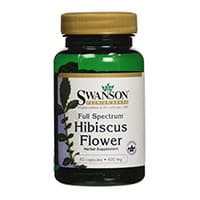
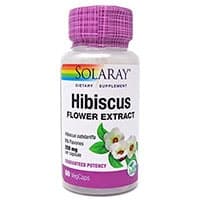
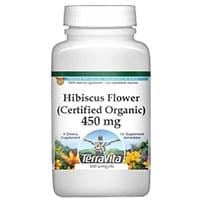
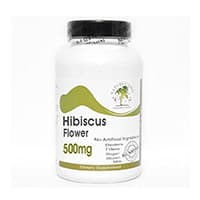
Capsules may list flower extract with ratios or milligrams per serving. Calculate true daily intake across servings and compare cost per labeled unit you care about. If the front label is loud but the facts panel is vague, keep shopping.
Who should be especially cautious
- Blood pressure medications and diuretics: additive effects are plausible—medical supervision matters.
- Pregnancy: concentrated herbal extracts deserve clinician guidance; do not treat tea culture as universally interchangeable with pregnancy safety.
- Kidney disease and electrolyte issues: discuss with your care team before habitual high volumes of strong extracts.
- Scheduled surgery: follow your pre-op instructions about herbals and hydration.
Mistakes to avoid
- Replacing prescribed care with tea. Hypertension management belongs to you and your clinician—supplements are not a treatment plan.
- Confusing a pleasant drink with a standardized extract. A mug of tea is not the same as a concentrated capsule schedule.
- Ignoring sugar in bottled “hibiscus beverages.” Read labels; many commercial drinks are desserts.
- Chasing the deepest red color as proof of potency. Appearance varies by crop and brew time—specs beat aesthetics.
FAQs
What does hibiscus tea taste like?
Typically tart and cranberry-like—many people sweeten it or blend it with other herbs. Taste varies by cut size, freshness, and brew strength.
Is hibiscus tea caffeinated?
Pure hibiscus infusions are caffeine-free; blends may include green or black tea—read the package.
Can I drink it every day?
Many people do as a beverage habit. If you move into concentrated extracts or have medical conditions, “daily” becomes a clinician conversation, not a lifestyle default.
What side effects are commonly discussed?
GI upset, reflux, or urgency can appear in sensitive people—especially with strong brews or large volumes. Stop and seek medical advice for severe symptoms, fainting, chest pain, or sudden neurological changes.
How do I brew loose hibiscus well?
Use water just off boil unless the brand specifies otherwise; steep time controls tartness. Start shorter, taste, then adjust—over-steeping can punish beginners.
Are supplements better than tea?
They are different tools. Tea emphasizes hydration and ritual; capsules emphasize measured extracts. Choose based on adherence and whether your clinician has an opinion on concentration.
How we shortlist products
Our rankings reward clear botanical identity, honest flavor and ingredient disclosure for blends, fair value for quality material, and practical fit—tea drinkers versus capsule buyers. Rankings are editorial guidance, not medical advice. For the full framework, read the methodology page.
Bottom line
Hibiscus teas and supplements can be a satisfying category if you want a tart, caffeine-free botanical with a distinctive color and cultural footprint—but “traditional use” is not the same as a personalized safety check for medications and pregnancy. Prioritize purity and transparency, read blends carefully, and treat concentrated extracts with more caution than a casual weekend cup.
Use the shortlist to match format to intent—ritual hydration versus standardized extracts—then choose based on sourcing trust, taste, and daily convenience.