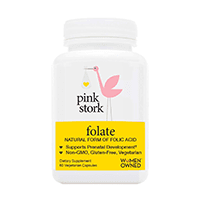
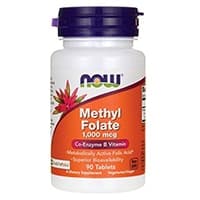
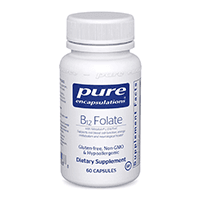
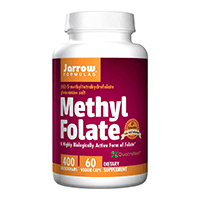
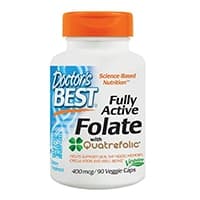
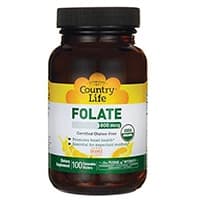
Why people shop folate supplements
Folate (vitamin B9) is one of the most important nutrients in preconception and pregnancy planning, and it also plays broader roles in red blood cell formation, methylation pathways, and nervous-system health. In supplement aisles, “folate” can mean different things: folic acid (synthetic form), methylfolate (often labeled 5-MTHF), and other forms in multivitamin blends. That form confusion is exactly why this category feels overwhelming for many shoppers.
Most people are not choosing between “good vs bad” products — they are choosing between products that may be fine in the wrong context. The best folate supplement is usually the one with clear form labeling, practical dosing, and good fit with your life stage, lab context, and existing stack. If you skip that fit step, it is easy to overstack or underdose without realizing it.
This guide is educational and not medical advice. If you are trying to conceive, pregnant, have a history of neural tube defects in prior pregnancy, use methotrexate or anticonvulsants, or have anemia/neurological symptoms, discuss folate strategy with a qualified clinician before changing your routine. Supplement shopping is not a substitute for prenatal care or medical workup.
How to use this guide
Use the ranked list as a quality-and-fit filter, not as a one-size-fits-all protocol. Start with one clear objective:
- Preconception/early pregnancy support with reliable daily B9 coverage
- General nutrient coverage in a non-pregnancy wellness routine
- Clinician-directed form-specific support (e.g., methylfolate-focused plans)
Then choose a product that matches your objective and your existing supplements. A huge amount of confusion in this category comes from duplicate intake across prenatals, multis, B-complexes, and standalone folate products.
If you’re comparing adjacent categories in the same decision path, see our folic acid supplements guide for synthetic-form context, our prenatal supplements guide for complete pregnancy-stack planning, and our vitamin B12 supplements guide for important paired-context decisions in anemia and methylation discussions.
For complete product ranking standards across the site, see our methodology.
Who this category is for (and who should avoid DIY high-dose changes)
Usually a better fit for
- People planning pregnancy who want consistent daily folate support.
- Users with simple, transparent nutrient routines and good adherence habits.
- Shoppers who want clear form and mcg labeling without “methylation hype” noise.
Usually a poor fit for unsupervised adjustments
- Anyone with suspected B12 deficiency symptoms using high-dose folate without clinician review.
- Users on medications that interact with folate pathways (anti-folate therapies, anticonvulsants).
- People making frequent dose/form changes based on online trends instead of clinical context.
How to compare two folate labels in 60 seconds
- Step 1: Confirm exact form: folic acid, 5-MTHF (methylfolate), or mixed.
- Step 2: Confirm dose in mcg per serving and servings per day.
- Step 3: Check overlap with prenatal, multi, B-complex, and fortified foods.
- Step 4: Check whether B12 context is addressed in your broader routine.
- Step 5: Check quality/manufacturing transparency and practical monthly cost.
If form and dose are unclear, skip the product. In this category, label precision is mandatory.
What to look for in a folate supplement
Form clarity first
Good products tell you exactly which folate form is present and how much you get per serving. “Active B-complex” language is not enough if form details are buried or ambiguous.
Dose matched to life stage
Preconception and pregnancy planning often require specific guidance from your clinician. General wellness support may call for a different routine. Buying high-dose products by default can create unnecessary complexity.
Standalone vs prenatal/multi overlap
If your prenatal already includes robust folate coverage, adding a standalone folate product may be unnecessary unless directed by your clinician. Overlap is one of the most common hidden issues in this category.
B12 context awareness
Folate and B12 decisions are often linked in clinical practice. If fatigue, neuropathy, or anemia signs are in the picture, lab-guided evaluation is smarter than self-tuning folate dose repeatedly.
Simple formulas and good adherence
A clean formula you can take consistently is usually better than an “advanced methylation stack” you constantly tweak.
Common mistakes that waste money (and create confusion)
- Assuming methylfolate is automatically better for everyone. Context and clinician guidance matter more than trend language.
- Accidentally doubling folate. Prenatal + multi + standalone is common and often unnecessary.
- Using folate to self-treat unexplained fatigue or neurologic symptoms. Proper diagnostic workup comes first.
- Changing forms every week. Frequent switching prevents meaningful evaluation.
- Ignoring medication interactions. Folate pathway decisions are not isolated from prescriptions.
What to monitor in your first 2-4 weeks
If your clinician supports a trial, track:
- Routine consistency: same product, same timing, same daily intake.
- Stack overlap: total folate/B9 from all products plus fortified foods.
- Tolerance: GI comfort, sleep changes, headaches, or unusual mood shifts.
- Goal alignment: pregnancy planning support vs general nutrient support remains clear.
- Need for lab review: persistent fatigue or neurologic symptoms should trigger clinician follow-up.
FAQs
Is folate the same as folic acid?
Not exactly. Folate is the umbrella term for vitamin B9 forms; folic acid is a synthetic form used in many supplements and fortified foods. Product choice depends on context and clinician guidance.
Should I choose methylfolate or folic acid?
Neither form is universally best for everyone. The right choice depends on life stage, clinical context, medication profile, and your clinician’s recommendation.
Can I take folate every day?
Many users do, especially in preconception/pregnancy planning and multivitamin routines. Daily use should still account for total intake overlap.
Do I need folate if I eat well?
Possibly less, but needs vary by life stage and clinical context. Pregnancy planning is the most important example where supplemental strategy often matters.
Can folate replace prenatal vitamins?
No. Prenatal planning usually requires multiple nutrients (including iron/choline/iodine context), not folate alone.
What side effects are common?
Most users tolerate folate supplements well at common doses. If unusual symptoms appear, review your total stack and consult your clinician.
How long should I stay on one product before changing?
If medically appropriate, use one transparent product consistently for several weeks before evaluating. Frequent product-switching weakens decision quality.
Bottom line
Folate supplements can be highly useful, especially in preconception and prenatal-adjacent planning, but this is a precision category. The best product is usually one with clear form labeling, appropriate mcg dosing, and a routine that avoids hidden overlap.
Keep your strategy simple, coordinate with clinician guidance when stakes are high, and prioritize consistency over trend-driven stack changes. In this category, clean decisions outperform complicated protocols.